
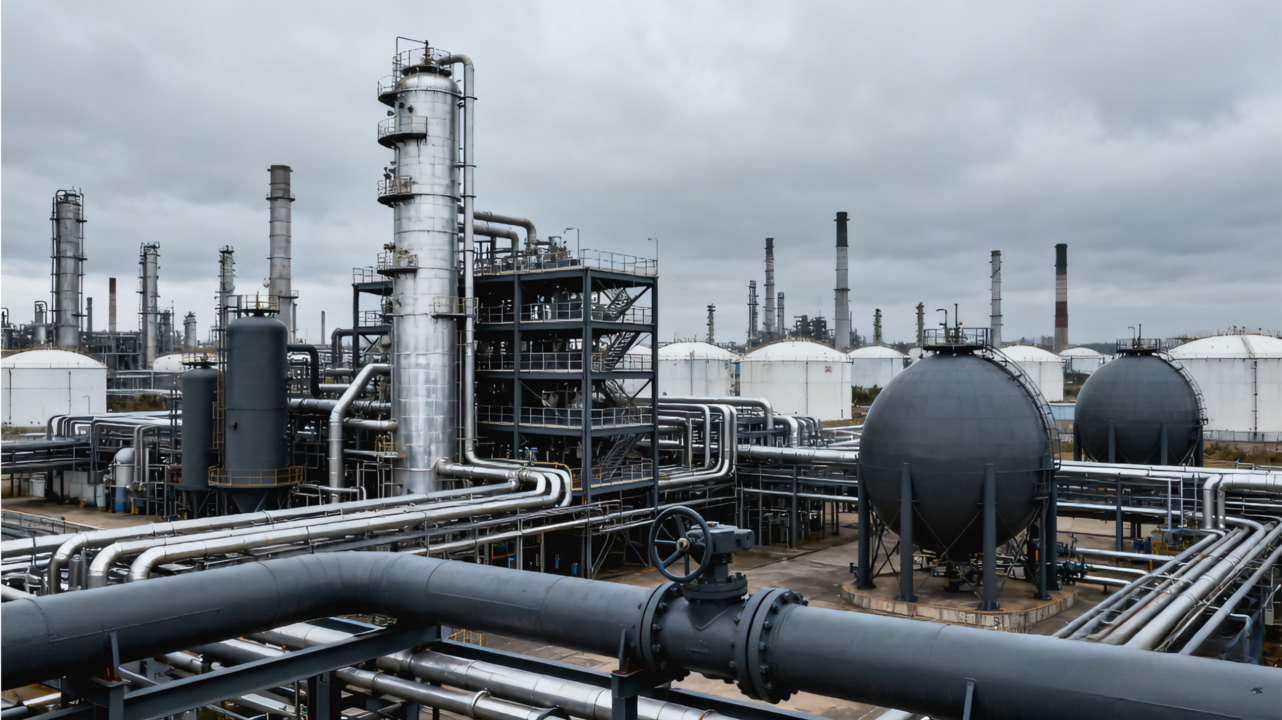
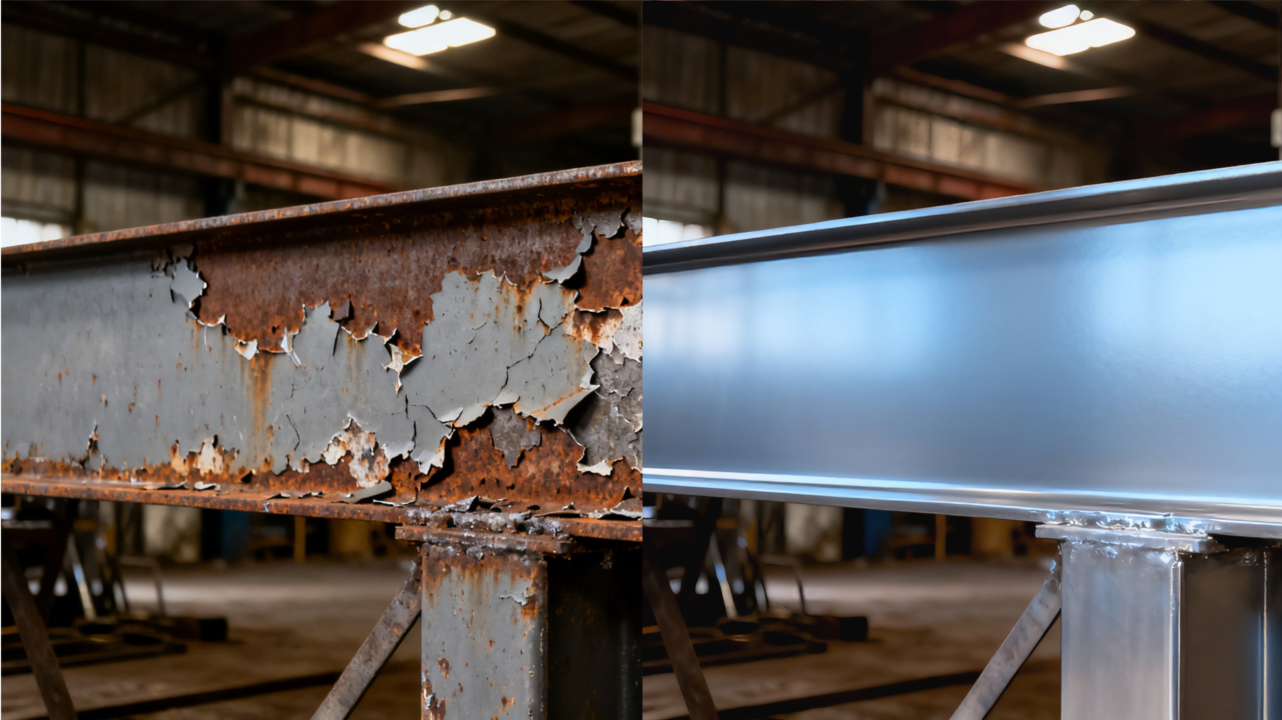
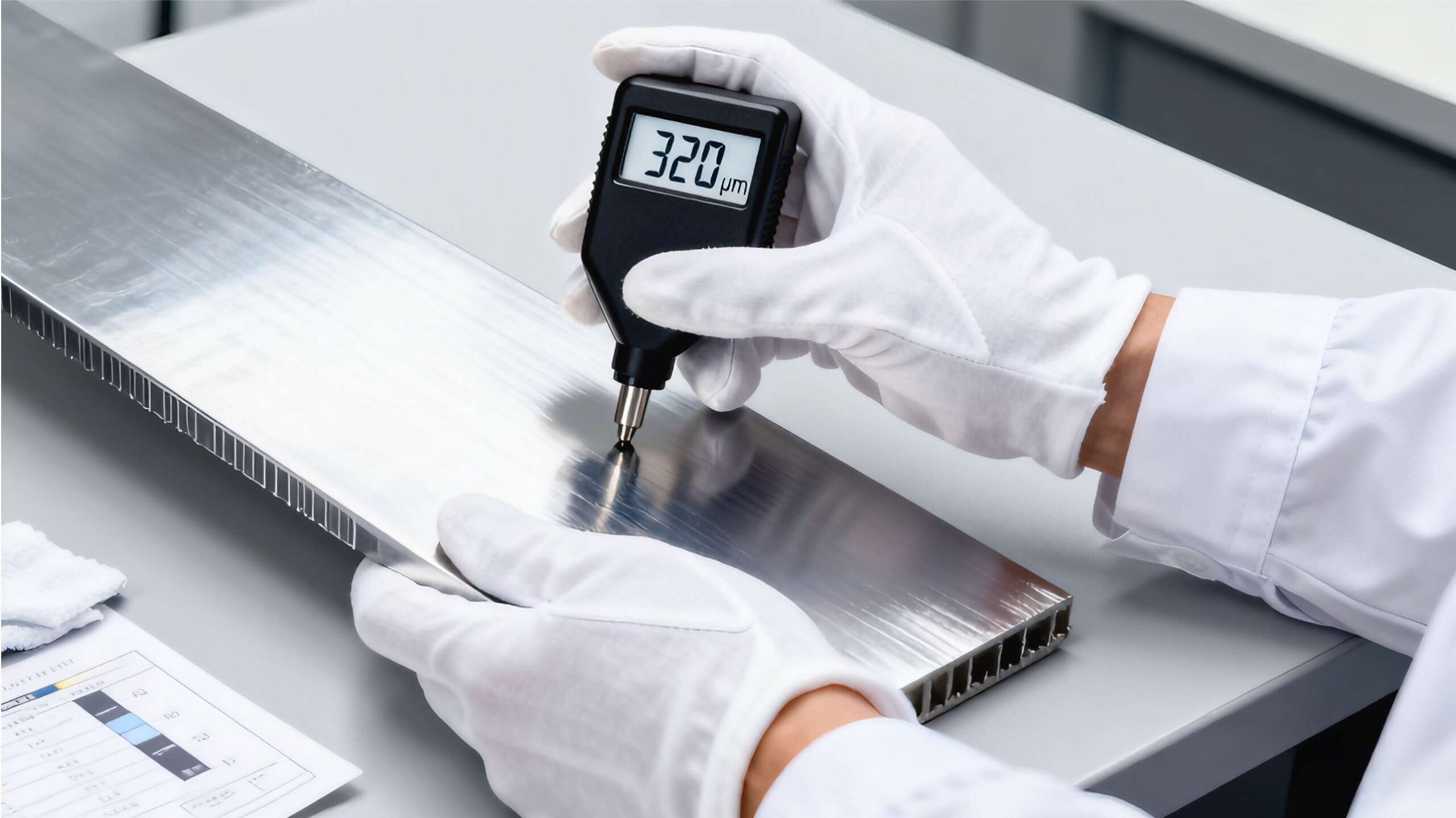

Heavy-duty epoxy coating systems for steel structures, storage tanks, pipelines, chemical equipment, and demanding industrial environments.
Epoxy anti-corrosion coatings are a key part of industrial protective coating systems for steel, concrete, storage tanks, pipelines, and process equipment. They are used to build durable barrier layers, high-build protection, and specialized coating systems for industrial assets exposed to moisture, chemicals, buried service, or demanding operating conditions.
At HUILI, this series is developed for projects that require reliable steel corrosion protection, strong system build-up, and practical application across industrial environments. The range includes epoxy topcoats, high-build coatings, solvent-free coatings, glass flake coatings, coal tar bitumen systems, and heavy-duty epoxy coating options for different service needs.
From steel structures and tank surfaces to buried pipelines, humid facilities, wastewater areas, and petrochemical equipment, these coating systems make it easier to match the right epoxy coating direction to substrate condition, exposure environment, and project requirements.
Key Points
Developed for heavy-duty industrial corrosion protection and coating system durability.
Covers high-build, solvent-free, buried-service, humid-service, and finishing system requirements.
Suitable for steel structures, storage tanks, pipelines, chemical equipment, and infrastructure assets.
Our Anti-Corrosion Primers series is developed for industrial projects where substrate protection, coating adhesion, and long-term durability are essential.
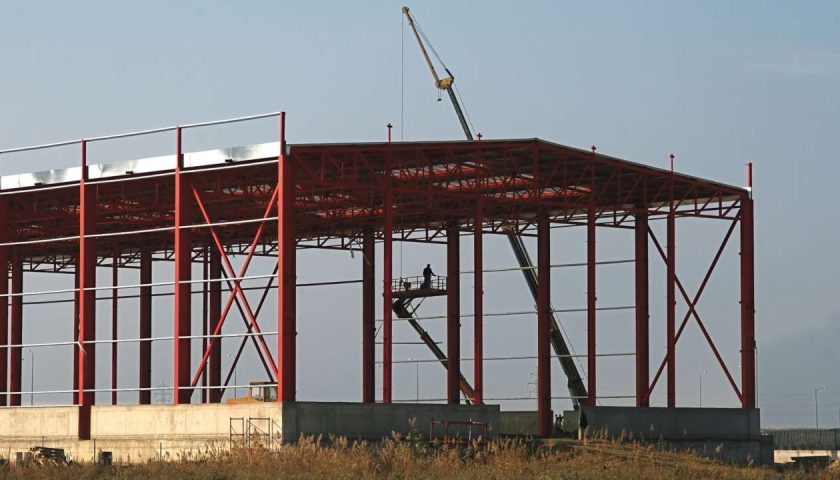
Protective coating systems designed to provide long-term corrosion resistance for industrial steel structures, including factories, warehouses, and bridges.
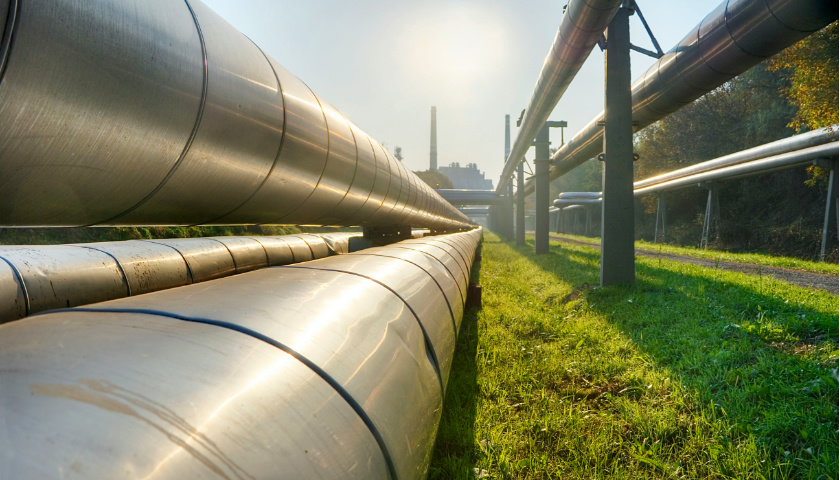
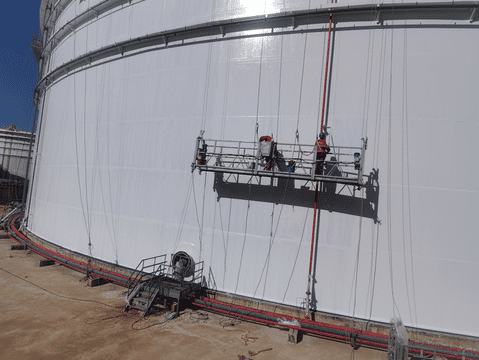
Protective coating systems for storage tanks and pipelines, offering reliable internal and external corrosion protection in chemical and industrial facilities.
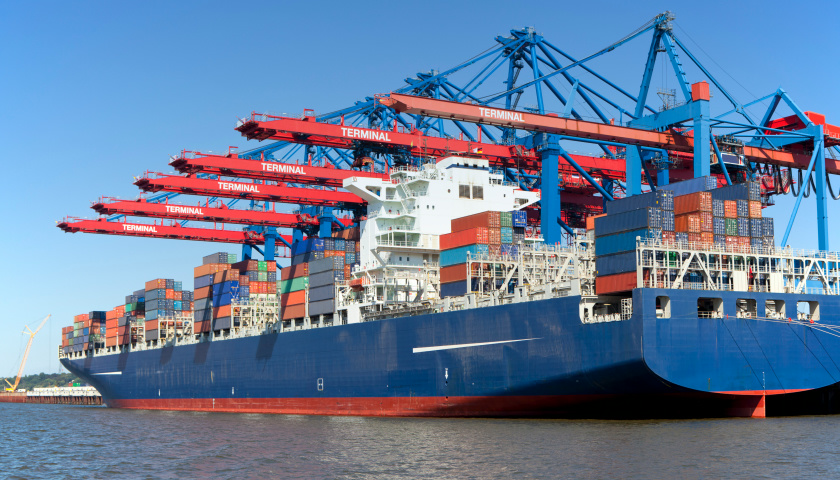
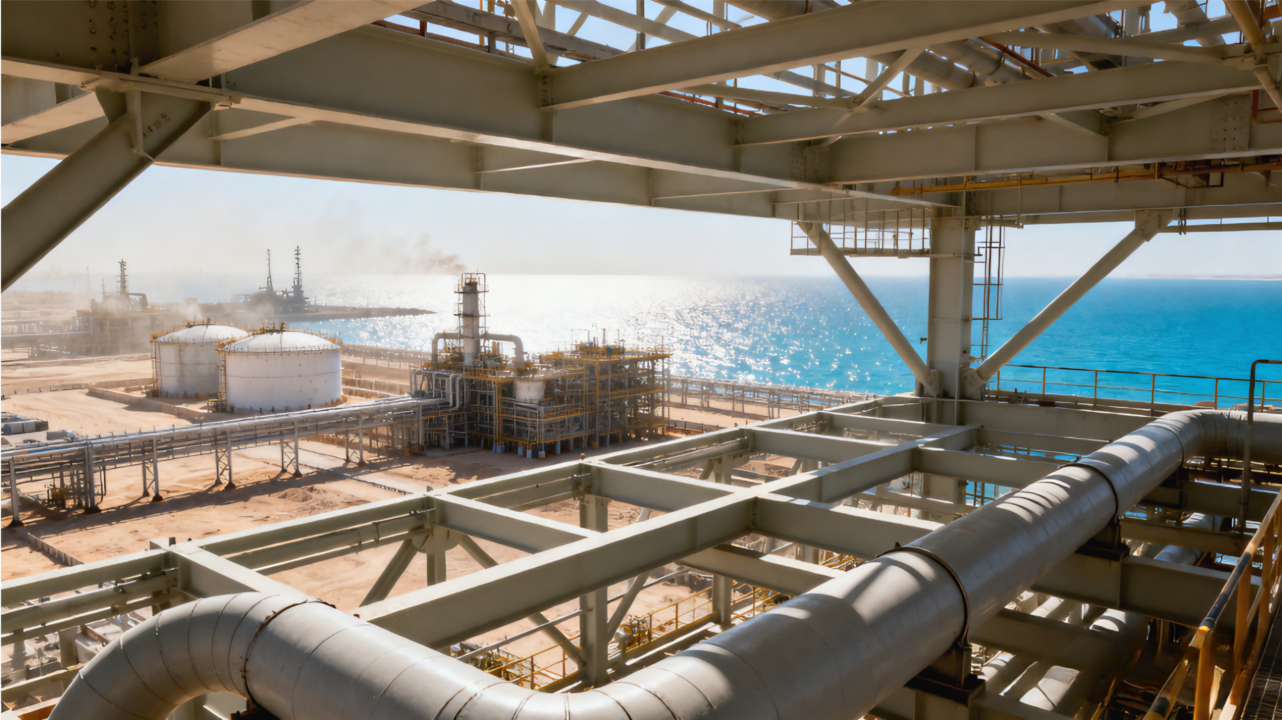
High-performance coating solutions for marine and offshore structures, providing strong resistance to salt spray, humidity, and harsh marine environments.
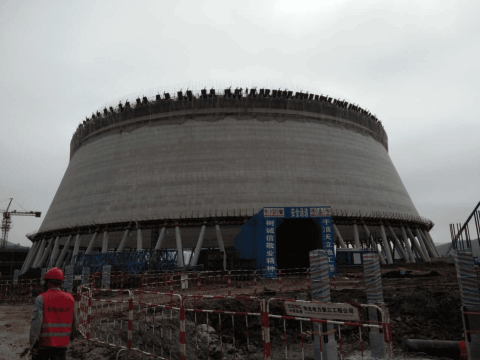
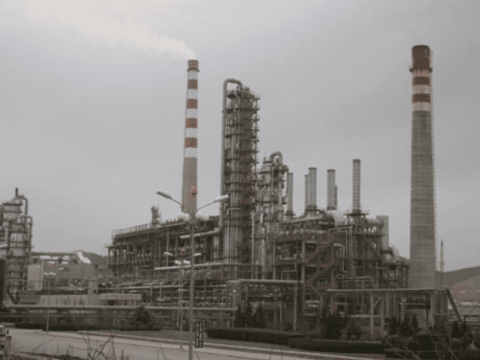
Coating solutions for power plants and energy facilities, designed to protect steel structures and equipment from corrosion, heat, and aggressive environments.
Solvent-free epoxy ceramic coating (2K) for thick-film protection on tanks and pipelines.
Pipelines, chemical equipment, tank surfaces.
Pot life 4 h; recoat 24 h–7 d.
98% solids; smooth, hard, chemical resistant.
Solvent-free epoxy coal tar bitumen coating (2K) for buried and pipeline heavy-duty protection.
Water/oil pipelines; buried installations.
Mix ratio 10:10; pot life 50 min.
96% solids; oil, water, solvent resistance.
Epoxy polyurethane heavy-duty anti-corrosion coating (2K) for steel, pipelines, tanks, and marine atmospheres.
Steel structures, pipelines, tanks, bridges, wharves.
Mix ratio 24:3; pot life 2 h.
60 d resistance in 5% acid/alkali/salt.
Modified epoxy weather-resistant topcoat (2K) for outdoor corrosion protection.
Ports, pipelines, offshore, ships, sluice gates.
Mix ratio 20:5; recoat 16 h–7 d.
Acid/alkali/salt resistance; color and gloss retention.
Solvent-free epoxy coating (2K) for thick-film protection on steel and tanks.
Steel structures and storage tank surfaces.
Pot life 45 min; up to 400 µm/coat.
100% solids; oil, water, solvent resistance.
Epoxy topcoat (2K) for steel and concrete in industrial and marine facilities.
Water treatment, ports, sluice gates, workshops.
Mix ratio 20:4; recoat 24 h–7 d.
Water, oil, humid-heat, chemical resistance; impact resistant.
Epoxy heavy-duty anti-corrosion coating (2K) for tank linings and severe chemical service.
Tanks/vessels for oils and aromatic solvents.
Pot life 2 h; recoat 24 h–7 d.
Resists acids, alkalis, salts, oils, benzene solvents.
Epoxy coal tar bitumen anti-corrosion coating (2K) for buried pipelines and wet-dry service.
Buried pipelines, tank bottoms, submerged structures.
Mix ratio 7:1; recoat 12 h–7 d.
Resists seawater, salt spray, oil; anti-microbial.
Winter-grade epoxy coal tar bitumen coating (2K) that can be applied at -5°C.
Buried pipelines; steel and concrete protection.
Mix ratio 20:4; recoat 12 h–7 d.
Seawater, oil, chemical resistance; high insulation.
Moisture-curing epoxy bitumen coating (2K) for rapid hardening in humid conditions.
Mines, wastewater plants, ports, docks.
Mix ratio 24:3; pot life 4 h.
Resists water, seawater, oil, and chemicals.
Epoxy bitumen glass flake coating (2K) for underground/underwater steel and concrete protection.
Underground tanks, mines, internal linings.
Pot life 4 h; recoat 24 h–7 d.
Water and chemical resistance; strong anti-permeation.
Epoxy Aluminium Pigmented Topcoat (2K) – High-build epoxy topcoat with aluminium paste.
For tanks, pipelines, and steel structures.
Mix ratio 24:4; pot life 4 h.
High solids; thick film reduces coat numbers.
Epoxy Glass Flake Topcoat (2K) – Epoxy glass flake topcoat for wet or chemical zones.
For underwater/humid areas and heavy chemical plants.
Mix ratio 20:2; pot life 4 h.
Salt water resistance: 1 year, no change.
Epoxy High-Build Topcoat (2K) – High-solids epoxy topcoat for heavy-duty protection.
For steel structures and concrete surfaces.
Induction time 5 h; pot life 3 h.
Recoat 24 h–7 d; X-7 thinner 3–9%.
High-Grade Epoxy Enamel (2K) – Epoxy enamel for decorative heavy-duty corrosion protection.
For steel structures and concrete surfaces.
Mix ratio 20:4; pot life 4 h.
Recoat 12 h–7 d; X-7 thinner 2–8%.
Substrate Coverage
This series is developed for a broad range of industrial substrates, including steel structures, storage tank steel, pipeline steel, concrete surfaces, aluminium alloy, and selected cement-based substrates. That makes it easier to use a more coordinated epoxy coating family across different industrial assets.
Service Environment Flexibility
The range covers industrial environments such as buried service, humid areas, submerged or wet-dry alternating conditions, chemical facilities, storage tank applications, port equipment, and coastal steelwork. This gives project teams more flexibility than relying on one general-purpose epoxy coating for every job.
System Integration
A high-performance epoxy coating does not work as an isolated layer. This series includes solutions for finishing, high-build protection, lining work, buried-service use, and heavy-duty system construction, making it easier to build practical coating systems around real project conditions.
| Application | Recommended Coating Direction | Intermediate / Topcoat Direction | Typical Need |
|---|---|---|---|
| Industrial steel structures | General epoxy anti-corrosion coating or epoxy topcoat system | Compatible intermediate and finishing layers | Reliable steel corrosion protection in plant environments |
| Storage tanks and vessels | Heavy-duty epoxy coating or lining-oriented epoxy system | High-build or compatible finishing structure | Tank surface protection and industrial service durability |
| Buried water, oil, or gas pipelines | Epoxy coal tar bitumen coating or solvent-free buried-service epoxy coating | Compatible buried-service build-up system | Long-term underground corrosion control |
| Humid and submerged service areas | Glass flake epoxy coating or moisture-tolerant bitumen epoxy direction | Barrier-focused heavy-duty system | Improved protection in wet or alternating exposure |
| Port facilities and coastal steelwork | Weather-resistant epoxy topcoat or heavy-duty epoxy polyurethane system | Compatible intermediate and weather-resistant finish | Corrosion control in coastal industrial environments |
| Chemical equipment and process areas | Solvent-free epoxy coating or heavy-duty industrial epoxy system | High-build protective layer or lining direction | Barrier performance in demanding industrial conditions |
1. Identify the substrate
Start with the actual surface, such as steel, storage tank steel, pipeline steel, concrete, aluminium alloy, or cement-based substrate.
2. Check the surface condition
Selection may change depending on whether the surface is blast-cleaned, power-tool cleaned, buried, humid, previously coated, or intended for lining service.
3. Assess the service environment
Chemical contact, buried exposure, humidity, submerged conditions, coastal atmosphere, and industrial weathering all affect the coating direction required.
4. Match the coating system
Choose a product that fits the full system structure, whether the project needs a finishing topcoat, a high-build barrier layer, a buried-service solution, or a heavy-duty industrial protection system.
What is the role of epoxy anti-corrosion coatings in an industrial coating system?
Epoxy anti-corrosion coatings can act as barrier layers, high-build protection coats, finishing layers, or specialized system components depending on the product and service environment.
How do I choose the right epoxy coating for pipelines or buried installations?
Selection depends on whether the project involves water pipelines, oil pipelines, gas pipelines, buried service, or wet underground conditions. Bitumen-based epoxy systems and solvent-free heavy-duty options are often more suitable in these applications.
Can these coatings be used on concrete or cement-based substrates?
Yes. Selected products in the series are suitable for concrete facilities, cement-based substrates, and related industrial surfaces depending on the project need.
Are these coatings suitable for humid, submerged, or marine-adjacent environments?
Yes. The series includes products developed for humid service, submerged or wet-dry alternating conditions, port facilities, ships, and corrosive industrial environments near water or salt exposure.
Do these coatings work as part of multi-layer coating systems?
Yes. Some products are used as finishing layers, some as heavy-duty barrier coats, and some as part of broader multi-layer industrial coating systems.
How can I select the right system for my project?
The best starting point is to confirm the substrate, surface preparation condition, exposure environment, and required system build, then match the coating direction to the project need.
Choosing the right anti-corrosion coating system is critical to project performance and durability.
Protect. Perform. Endure. – Advanced Coatings for Industrial Excellence.
© 2025 All Rights reserved Anhui HUILI Coating Technology Co., Ltd. | Privacy Policy