High-Performance Coating: How to Select by Industrial Service Condition
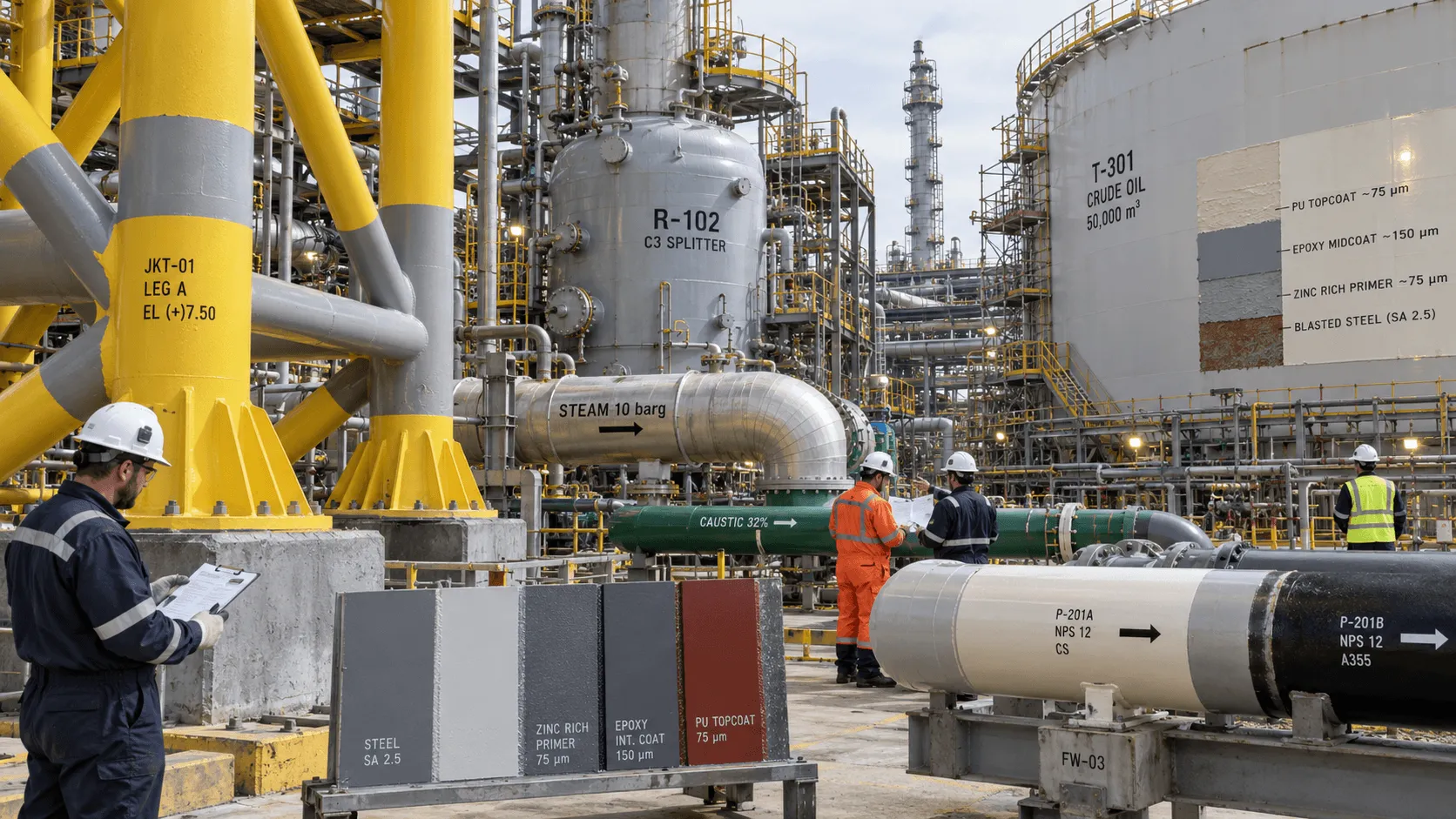
A high-performance coating is not defined by one product name. It is defined by whether the coating system can meet a specific severe service condition,
Technical Knowledge, Application Guidance & Engineering Experience

A high-performance coating is not defined by one product name. It is defined by whether the coating system can meet a specific severe service condition,

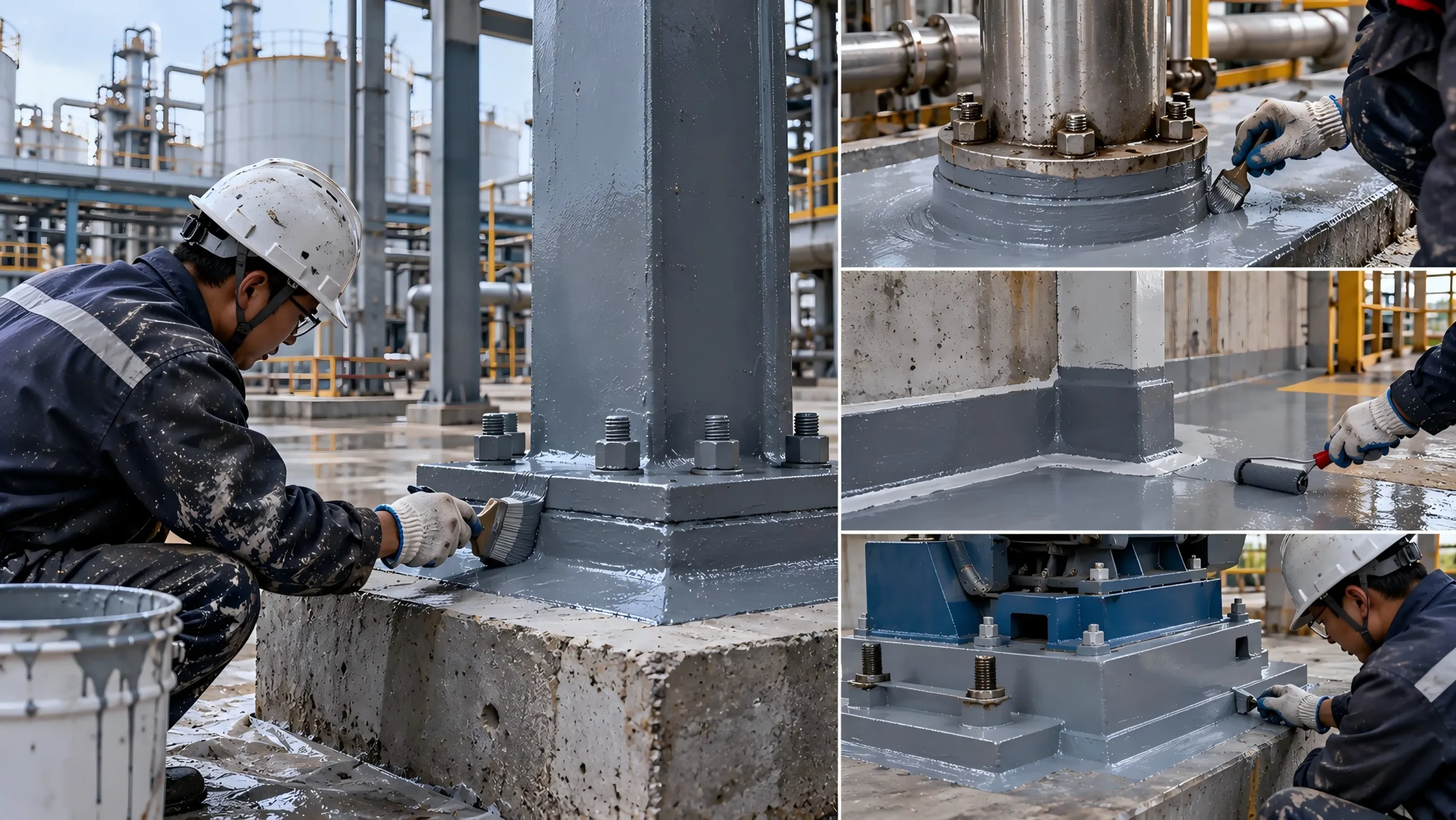
Industrial sealants and coatings must work together at joints, edges, penetrations, seams, equipment bases and material interfaces. Sealants manage gaps, movement and water-entry paths, while

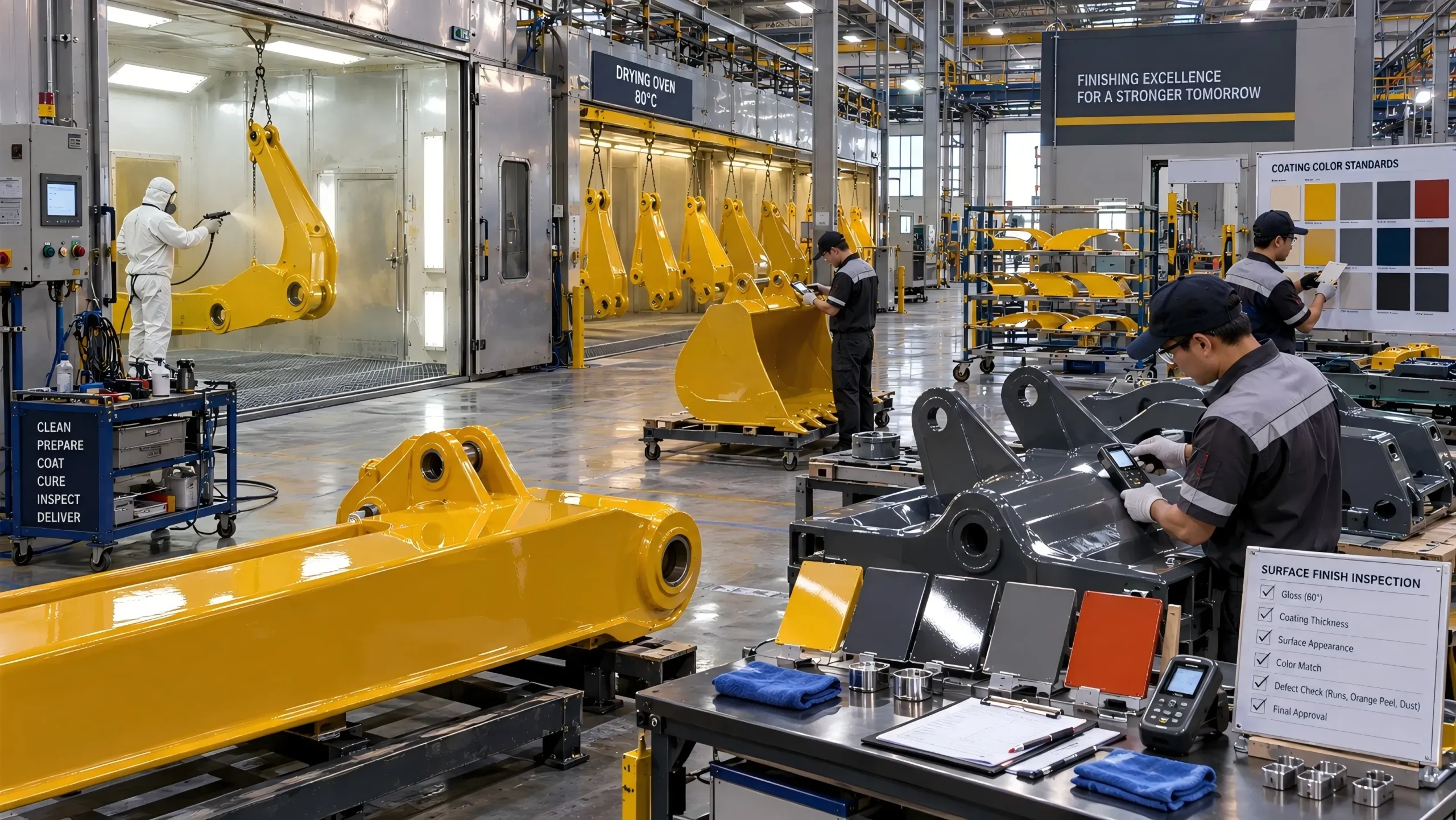
General industrial finishes are coating systems used on machinery, equipment, vehicles, fabricated components, and steel parts to provide appearance, color, durability, and practical protection during

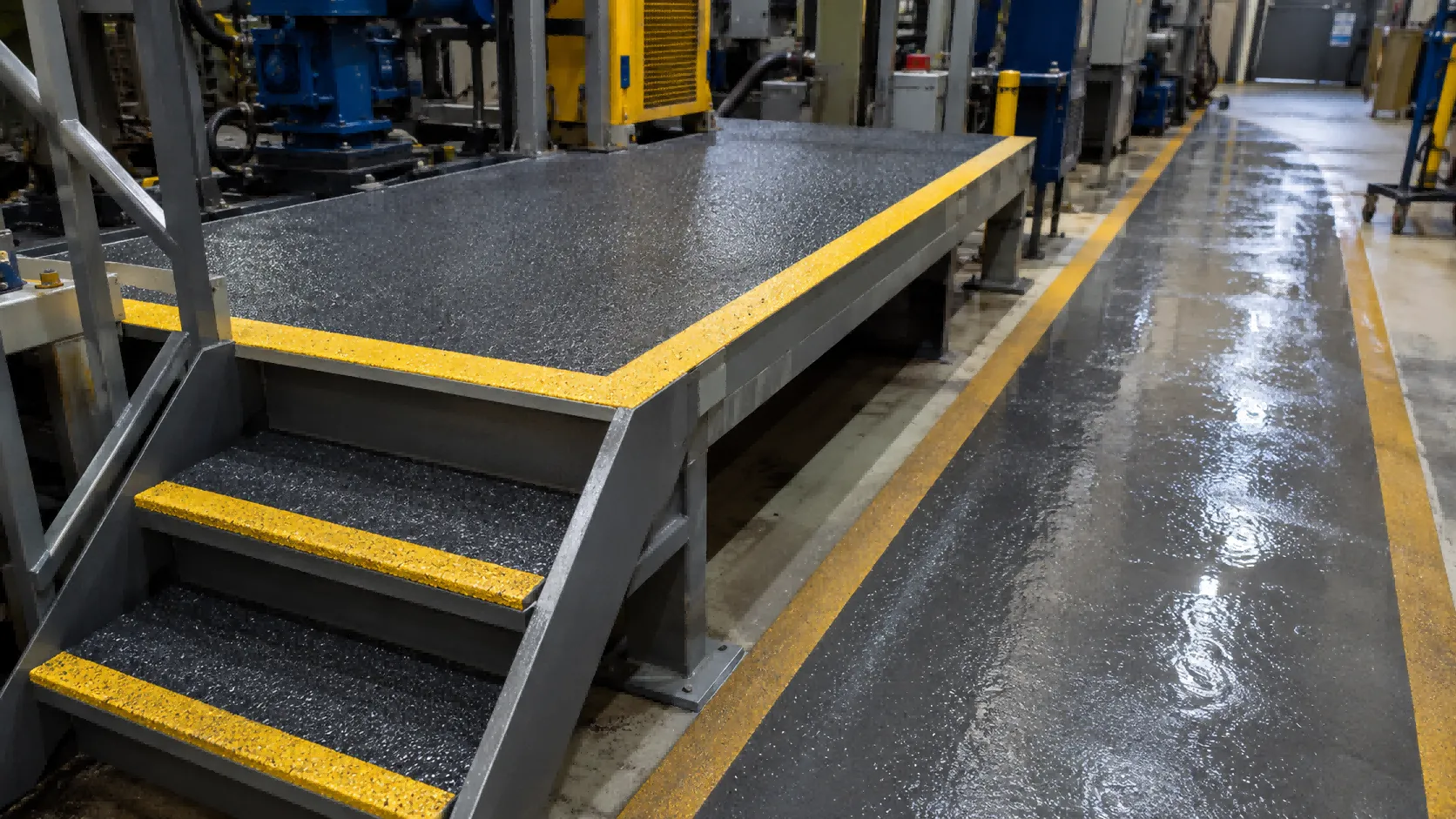
Industrial non slip coating is used to reduce slip risk on floors, platforms, stair treads, ramps, steel plates, walkways, and maintenance areas exposed to water,

A polyurethane water based top coat is used when an industrial project needs a low-VOC finish layer with good appearance, color retention, and weathering protection

Epoxy phenolic is used when a tank lining needs better resistance to selected solvents, fuel products, hot water, condensate, and chemical storage conditions than a

Galvanized coating protects steel through a zinc layer, but it is not the only zinc-based protection route for industrial steel projects. Depending on fabrication method,

Stainless steel protective coating is not required for every stainless steel asset, but it becomes important when the service environment can damage the passive layer

Aluminum protective coating should be selected by aluminum surface condition, exposure environment, adhesion risk, primer compatibility, and final service requirement. Although aluminum naturally forms an

Red oxide epoxy primer is an epoxy-based industrial steel primer that uses red oxide or iron oxide red pigmentation as part of the primer system.

Epoxy primer undercoat should be selected by its coating layer position, surface preparation requirement, DFT target, recoat window, and topcoat compatibility. For EPC contractors, steel

A coating tanks supplier should be evaluated by tank application knowledge, coating system support, technical documents, inspection guidance, and RFQ response quality. For industrial tank