
Anti-Corrosion Primers
Primers and intermediate coatings for steel, concrete, galvanized steel, and other industrial substrates.
What Is Anti-Corrosion Primer Coating
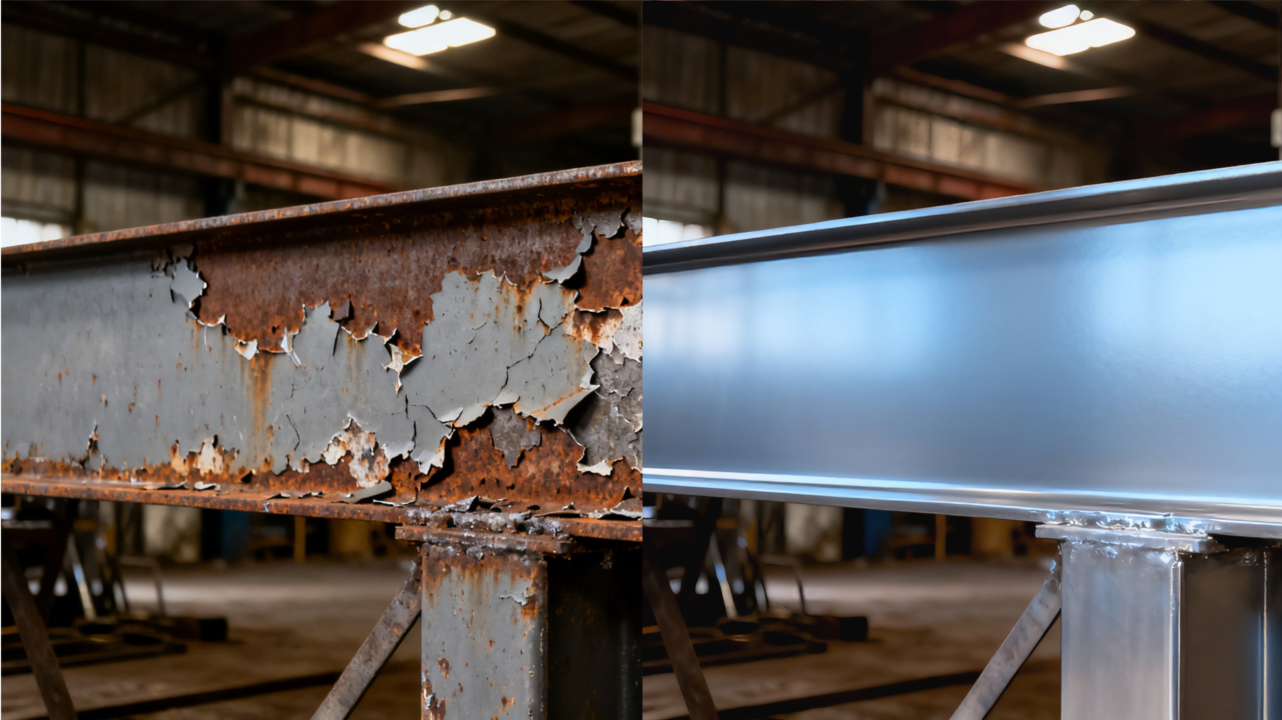
Anti-corrosion primers are the foundation of an effective protective coating system. They form the critical interface between the substrate and subsequent coats, helping improve adhesion, resist moisture and chemical exposure, and reduce the risk of early corrosion failure.
At HUILI, this series is developed for long-term steel protection and industrial coating performance across demanding environments. Our anti-corrosion primers are designed to support strong adhesion, barrier protection, and, where required, cathodic protection for steel structures exposed to humidity, salt spray, chemicals, and outdoor weathering.
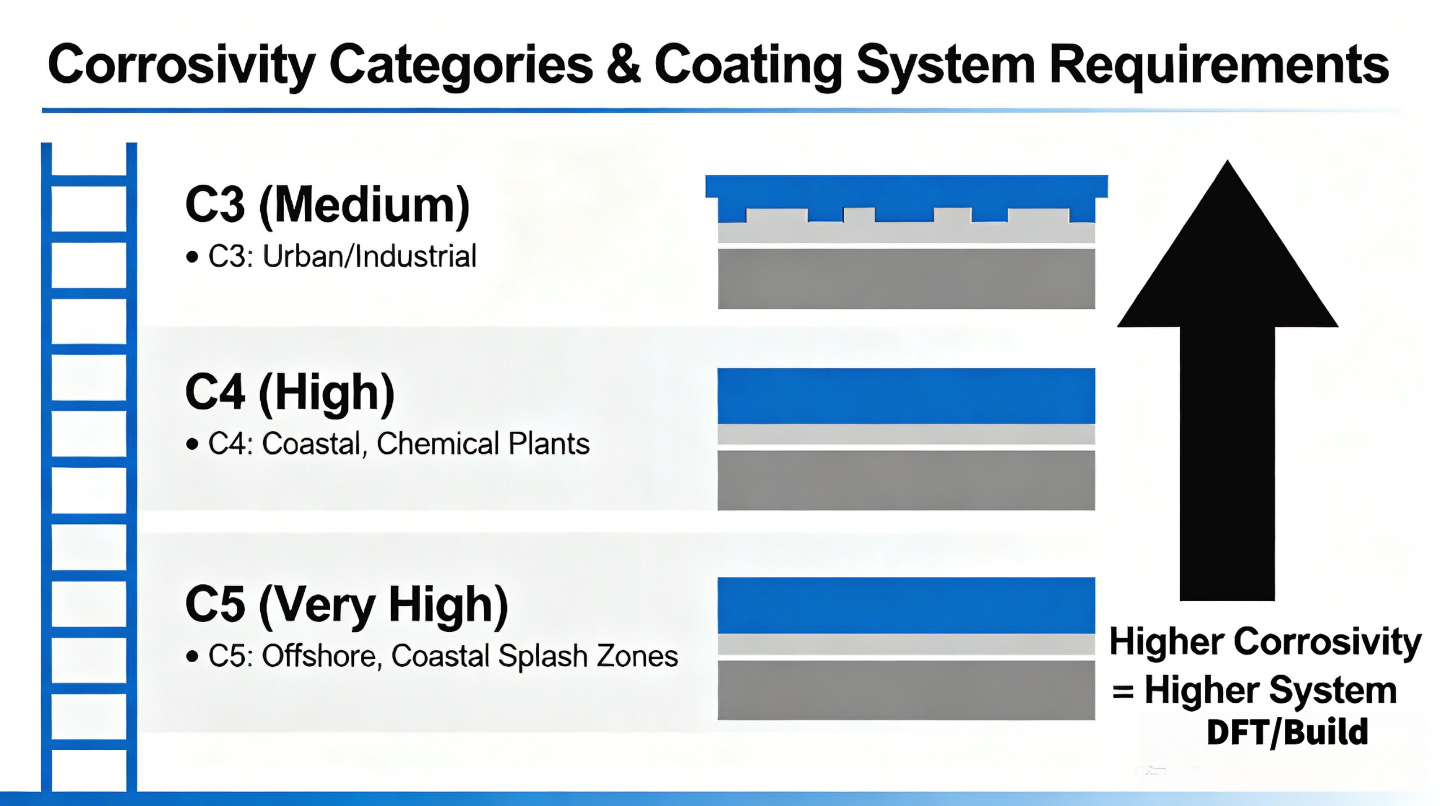
From offshore platforms and storage tanks to bridges, pipelines, power plants, and petrochemical facilities, these coating systems are built for diverse industrial applications. The series includes epoxy primer, zinc-rich primer, surface treatment primer, and intermediate coating options, making it easier to select suitable systems based on substrate condition, corrosive category, and project requirements.
Built to serve as the first line of defense in industrial coating systems.
Designed for adhesion, durability, and compatibility with intermediate and topcoat layers.
Suitable for different substrates and corrosive environments from general industry to heavy-duty marine exposure.
Understand Typical Applications
Our Anti-Corrosion Primers series is developed for industrial projects where substrate protection, coating adhesion, and long-term durability are essential.
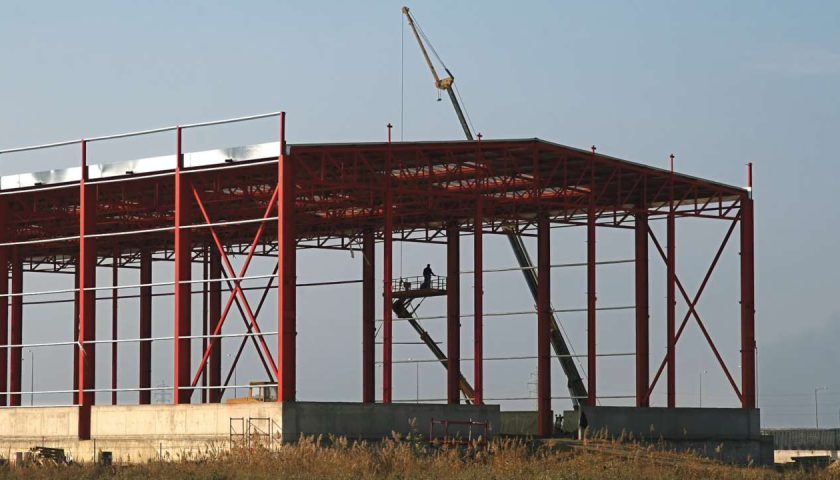
Steel Structures
Protective coating systems designed to provide long-term corrosion resistance for industrial steel structures, including factories, warehouses, and bridges.
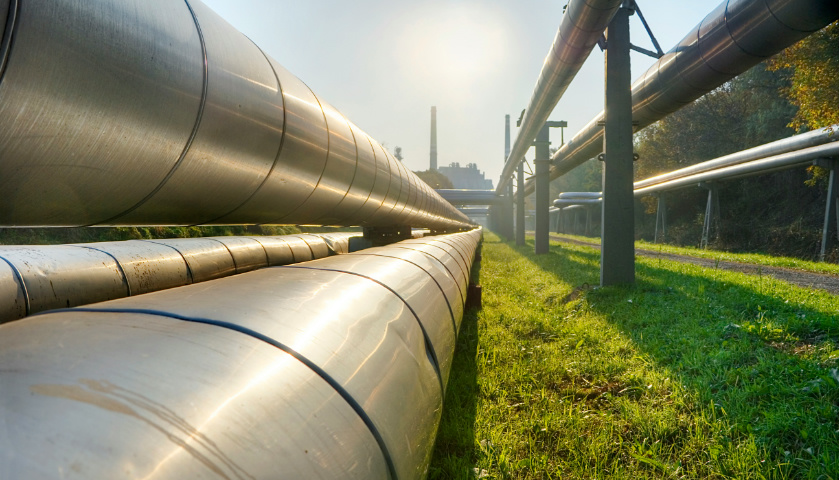
Storage Tank & Pipeline
Protective coating systems for storage tanks and pipelines, offering reliable internal and external corrosion protection in chemical and industrial facilities.

Marine & Offshore
High-performance coating solutions for marine and offshore structures, providing strong resistance to salt spray, humidity, and harsh marine environments.

Power Plants
Coating solutions for power plants and energy facilities, designed to protect steel structures and equipment from corrosion, heat, and aggressive environments.
Explore Real Project Applications
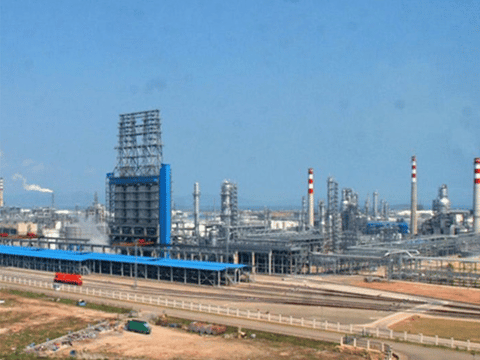
Huizhou Daya Bay Petrochemical Zone
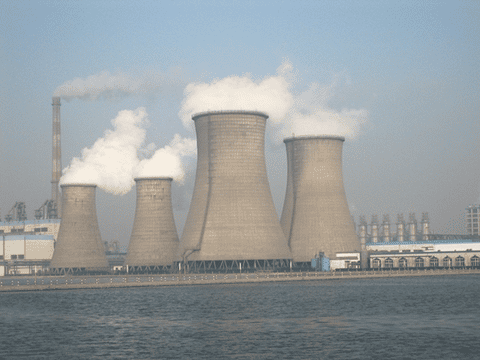
Qinzhou Cooling Tower
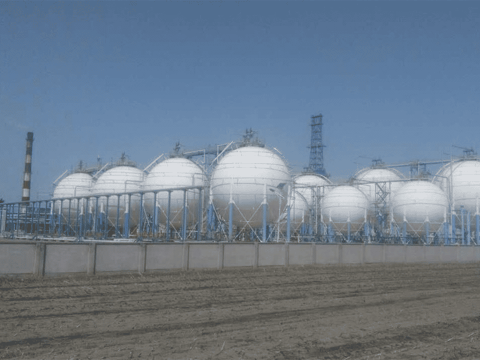
Panjin Haoye Tank Farm / Liquefied Hydrocarbon Spherical Tank Farm
Available Products in This Series
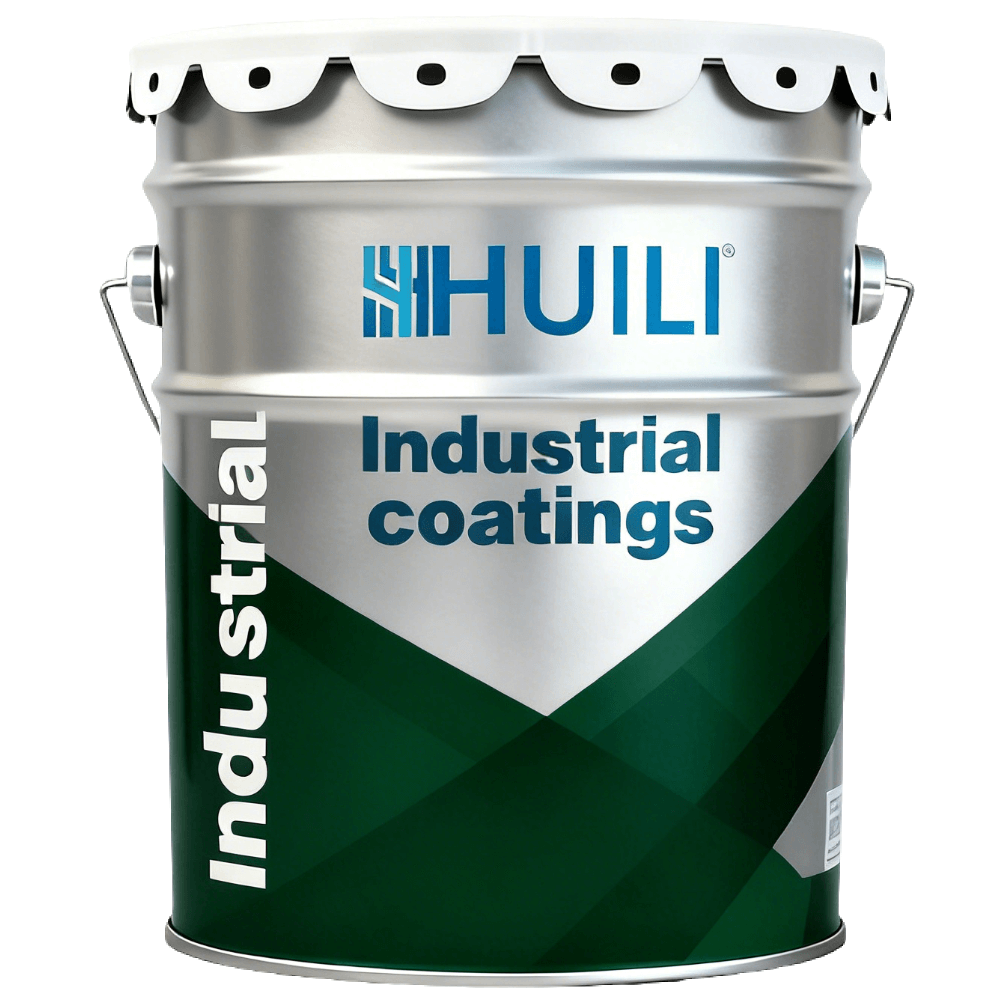
Vinyl Phosphating Primer (2K) – Two-component phosphating primer for galvanized steel, aluminum, and other light metals.
-
Forms chemical adhesion to improve intercoat adhesion of subsequent coatings.
-
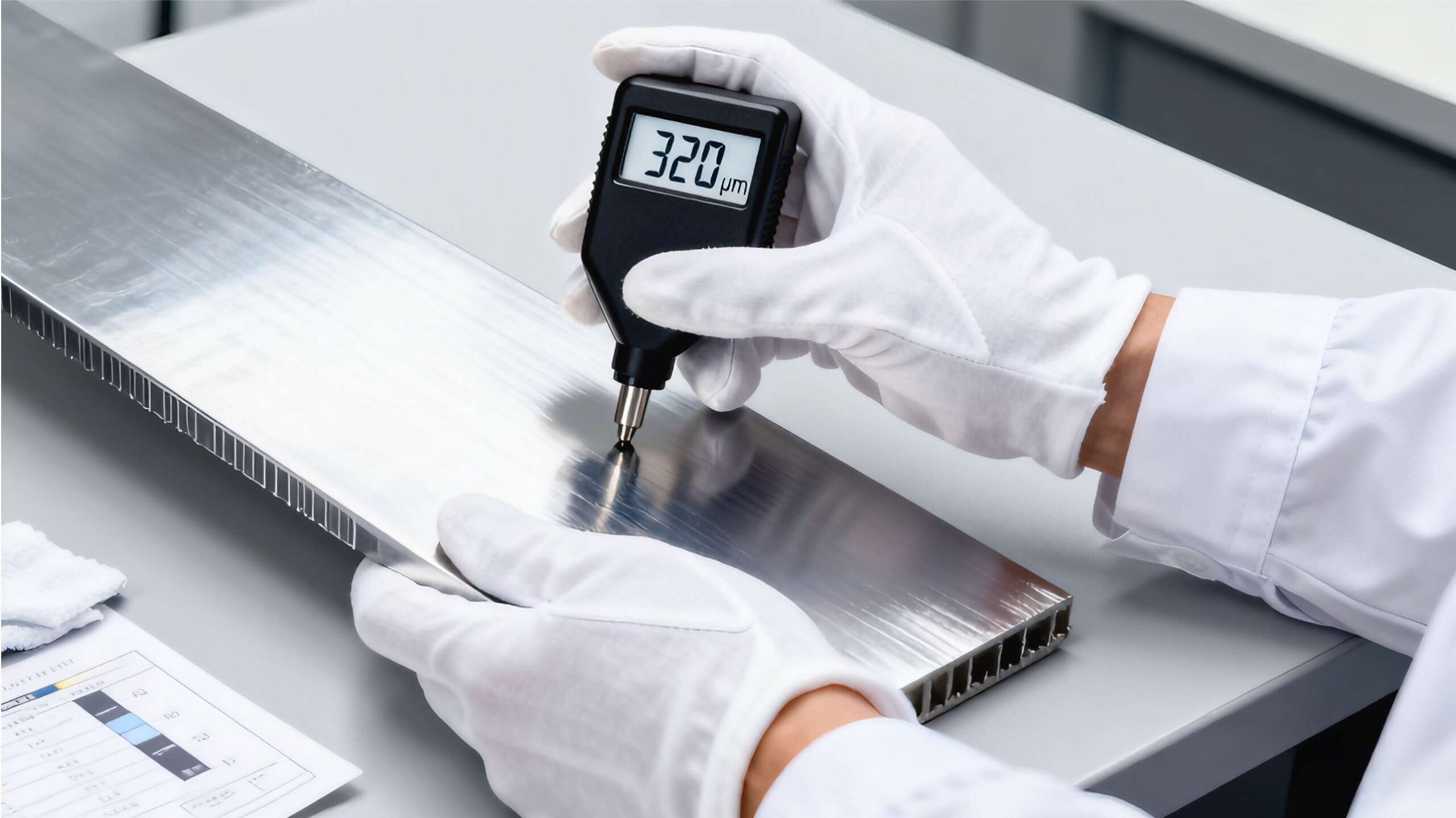
Low film thickness system: 15–25 µm DFT per coat; theoretical consumption 0.06 kg/m² at 20 µm DFT.
-
Min. recoat 2 h (25°C); dedicated PLX06 thinner (10–20%).
Inorganic Zinc-Rich Primer (2K) – Two-component ethyl silicate zinc-rich primer for cathodic protection of blast-cleaned steel.
-
General-purpose use for bridges, towers, gas holders, oil tanks, oil/gas pipelines, and industrial steel structures.
-
High zinc dust content with stated water/oil/media resistance and welding/cutting resistance.
-
Sa 3 surface preparation (not lower than Sa 2.5); touch dry 10 min at 25°C, RH 70–85%.
Inorganic Zinc Silicate Primer (2K) – Two-component inorganic zinc silicate primer for long-term steel corrosion protection with cathodic protection.
-
For blast-cleaned steel; surface preparation Sa 3 (not lower than Sa 2.5) is specified.
-
Fast drying at 25°C, RH 70–85%: touch dry 10 min; hard dry 2 h; cured 24 h.
-
Mix ratio 28:7; thinner X-11 inorganic zinc thinner (5–20%); compatible with epoxy/PU coating systems.
Special Epoxy Primer (2K) – Two-component special epoxy primer for industrial corrosion protection.
-
For power, bridge, petrochemical, marine, and port facilities/equipment.
-
Pot life 2 h (25°C); mix ratio 25:2.5.
-
Compatible with epoxy MIO intermediate and epoxy/PU topcoat systems.
Epoxy Sealer Primer (2K) – Two-component penetrating sealer primer for porous substrates.
-
For cement mortar, concrete, and fiber cement boards; also stated for wood.
-
Concrete moisture content < 6% before application (as stated).
-
Mix ratio 16:4; theoretical consumption 0.29 kg/m² at 50 µm DFT.
Modified Epoxy Iron Oxide Red Primer (2K) – Two-component modified epoxy iron oxide red anti-rust primer for steel and concrete.
-
For corrosion protection of steel structures and concrete surfaces.
-
Water and corrosion resistance with strong adhesion (as described).
-
Mix ratio 24:3; recoat 24 h–7 d (25°C).
Epoxy Glass Flake Intermediate Coating (2K) – Two-component epoxy glass flake intermediate coating for heavy-duty barrier protection.
-
For marine/offshore, chemical areas, underground mines, and wastewater facilities; steel and concrete substrates.
-
Mix ratio 25:2.5; pot life 4 h (25°C).
-
Recoat 24 h–7 d (25°C); recommended DFT 60–80 µm per coat.
Epoxy zinc phosphate anti-rust primer (2K) for heavy-duty steel corrosion protection.
-
For ports/docks, heavy structures, mining machinery, power machinery plants, and water conservancy steelwork.
-
Zinc phosphate anti-rust pigment system with stated water and salt water resistance.
-
Mix ratio 7:1; theoretical consumption 0.12 kg/m² at 50 µm DFT.
Epoxy rust-tolerant anti-rust primer (2K) for steel surfaces with slight rust.
-
Applicable on St1/St2 prepared steel; surface profile 15–35 µm (as stated).
-
Stabilizes rust by complexation with the substrate before hardening (as described).
-
Compatible with epoxy MIO intermediate and epoxy/PU topcoat systems.
Epoxy ester anti-rust primer for steel structures (single-pack).
-
For guardrails and mining/mineshaft equipment steel surfaces.
-
Air-drying or low-temperature baking curing is specified.
-
Single-pack with no pot life limit (as stated); compatible with alkyd topcoats/enamels.
Epoxy MIO intermediate coating (2K) for barrier protection in cathodic-protection coating systems.
-
Used with PLH53-35 epoxy zinc primer as a supporting intermediate coat.
-
Salt water resistance: 20 days (as stated).
-
Mixing ratio 8:1 (by weight); recommended DFT 60–90 µm per coat.
Epoxy MIO Intermediate Coating (2K) – Two-component epoxy micaceous iron oxide intermediate coating for barrier protection.
-
For ships, containers, bridges, steel gates, gas holders, port machinery, and steel structures; used over zinc-rich primer or sprayed zinc.
-
Mix ratio 27:3; pot life 4 h (25°C).
-
Recoat 12 h–7 d (25°C); overcoatable with epoxy and polyurethane systems.
Epoxy Iron Oxide Red Anti-Rust Primer (2K) – Two-component epoxy anti-rust primer for steel structures.
-
For general steel structure corrosion protection; can be used for concrete with an epoxy sealer primer.
-
Mix ratio 24:3; pot life 4 h (25°C).
-
Recoat 24 h–7 d (25°C); overcoatable with epoxy and polyurethane systems.
Epoxy Red Lead Anti-Rust Primer (2K) – Two-component epoxy anti-rust primer for steel corrosion protection.
- For tanks, gas holders, offshore/underwater steel structures, and buried pipelines.
- Mix ratio 28:4; pot life 4 h (25°C).
- Recoat 24 h–7 d (25°C); overcoatable with epoxy and polyurethane systems.
Epoxy Zinc Primer (2K, C6-Modified) – Two-component epoxy zinc primer (C6-modified) for cathodic-protection priming.
-
Salt spray resistance 1300 h (as stated).
-
Theoretical consumption 0.25 kg/m² at 50 µm DFT (losses not included).
-
For offshore platforms, underwater steel, pipelines, oil tanks, bridges, and petrochemical steel structures.
Epoxy Zinc-Rich Primer (2K) – Two-component epoxy zinc-rich primer for steel anti-corrosion systems.
-
For shipbuilding/repair, bridges, towers, gas holders, oil tanks, and steel structures.
-
Water and oil resistance with excellent adhesion.
-
Theoretical consumption 0.21 kg/m² at approx. 50 µm DFT (losses not included).
Compare Key Performance Advantages
Substrate Compatibility
This series is designed to support a wide range of industrial substrates, including steel, concrete, galvanized steel, aluminum, and other prepared surfaces. That flexibility helps buyers and project teams use a more coordinated coating family across mixed-material applications.
Corrosion Protection Performance
Our anti-corrosion primers are developed to improve adhesion, resist moisture and salt spray, and support long-term protective performance in aggressive service environments. For systems that require enhanced steel protection, zinc-rich options can also contribute cathodic protection at the substrate level.
System Compatibility
A strong primer must work as part of a complete coating system, not as an isolated layer. This series is developed to integrate with intermediate coatings and topcoats, helping users build practical systems for industrial, marine, infrastructure, and maintenance applications.
Build Recommended Coating Systems
| Application | Recommended Primer Direction | Intermediate / Topcoat Direction | Typical Need |
|---|---|---|---|
| Blast-cleaned structural steel | Zinc-rich primer | Epoxy intermediate coating + polyurethane or other compatible topcoat | Long-term corrosion protection and strong system durability |
| Slightly rusted steel maintenance | Rust-tolerant epoxy primer | Compatible maintenance coating system | Reduced surface preparation pressure in repair work |
| General steel structures | Epoxy anti-rust primer | Intermediate coating + durable finishing coat | Reliable steel protection in industrial environments |
| Concrete and cement-based substrates | Sealer primer | Compatible protective coating layers | Surface sealing and improved coating adhesion |
| Galvanized steel and aluminum | Surface treatment primer | Compatible primer or finishing system | Better adhesion on non-ferrous or treated metal surfaces |
| Heavy-duty marine or offshore systems | Zinc-rich primer or high-performance epoxy primer | Heavy-duty intermediate + weather-resistant topcoat | Salt spray resistance and long-term service life |
How to Select the Right Primer
Identify the substrate
Start with the surface type, such as carbon steel, galvanized steel, aluminum, concrete, or other prepared industrial substrates.Check the surface condition
Selection can change depending on whether the surface is blast-cleaned, slightly rusted, porous, smooth, or previously coated.Assess the corrosive environment
Marine exposure, chemical contact, humidity, and outdoor weathering all affect the level of protection required.Match the full coating system
Choose a primer that works well with the planned intermediate coating and topcoat, so the full coating system performs as intended.
Frequently Asked Questions
What is the role of an anti-corrosion primer in a coating system?
An anti-corrosion primer acts as the foundation layer of the coating system, helping improve adhesion and protect the substrate from moisture, corrosion, and environmental exposure.
How do I choose between epoxy primer and zinc-rich primer?
Epoxy primer is commonly selected for adhesion and barrier protection, while zinc-rich primer is often used where cathodic protection and higher steel protection performance are required.
Can these primers be used on concrete or galvanized steel?
Yes. Different primer types are available for concrete, porous surfaces, galvanized steel, aluminum, and other industrial substrates, depending on the application need.
Are these products suitable for marine and offshore projects?
Yes. The series is suitable for demanding environments such as offshore platforms, port facilities, ship repair, and other high-salinity industrial applications.
Do these primers work with other coating layers?
Yes. They are designed to function as part of complete coating systems together with intermediate coatings and compatible topcoats.
How can I select the right system for my project?
Selection depends on substrate type, surface preparation, corrosive category, and the performance target of the full coating system.
Related Articles
Project Inquiry & Technical Support
Choosing the right anti-corrosion coating system is critical to project performance and durability.