2K C6-modified epoxy MIO intermediate coat engineered to extend coating service life on marine and offshore structures. Pairs with epoxy zinc primer for layered cathodic and barrier protection. 50µm DFT, Sa2.5 prep.
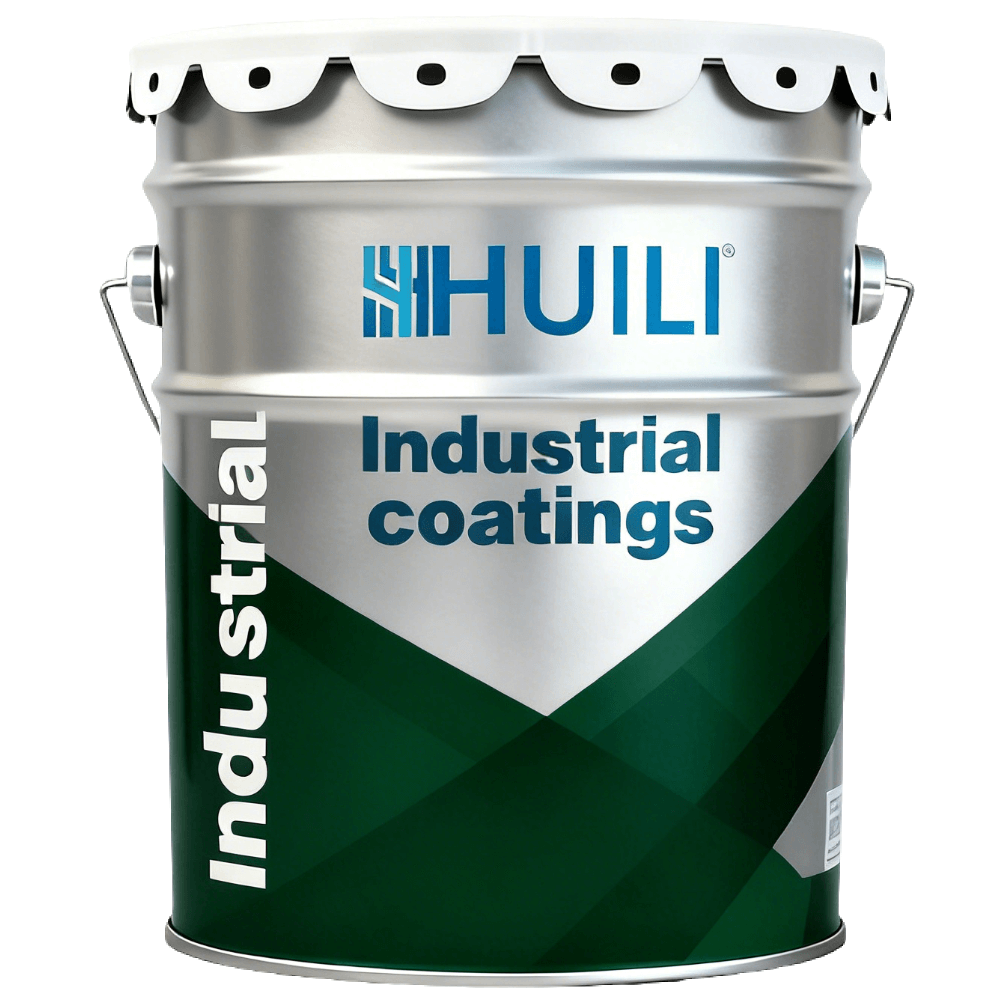
PLH53-10 Epoxy MIO Intermediate Coating is a two-component, polyamide-cured epoxy micaceous iron oxide (MIO) intermediate coating modified with special C6-element material (sp2 hybridization).
The product is formulated with epoxy resin, micaceous iron oxide powder, anti-settling agent, toughening agent, and solvent, and is modified with special C6-element material (sp2 hybridization). It is supplied as two components with a polyamide curing agent.
Two-component, polyamide-cured epoxy MIO intermediate coating
Specified for use with epoxy zinc primer as a supporting coat
Combines cathodic protection synergy with barrier performance for corrosion protection
Can be applied by airless spray, brush, or roller
Salt water resistance: 20 days
Compatible with polyurethane topcoat and fluorocarbon topcoat systems
This intermediate coating is suitable for steel protection projects in industrial and marine environments.
Typical application areas
Ship repair/building
Bridges
Petrochemical facilities
Steel structures
Offshore platforms
Underwater steel structures
Pipelines
Oil tanks
Cathodic-protection coating systems
| Item | Details |
|---|---|
| Mixing Ratio (A:B) | 8:1 (by weight) |
| Induction Time | 5 min |
| Pot Life | 4 h |
| Application Methods | Airless spray, brush, roller |
| Thinner / Cleaner | X-7 epoxy thinner |
| Typical Dilution | 2–8% (air spray/roller may require more) |
| Recoat Interval / Overcoating Interval (25°C) | Minimum 24 h; maximum 7 days |
| Recommended DFT | 60–90 µm per coat (brush/roller: 35–50 µm per coat) |
When applied over a two-component primer, all surfaces must be clean, dry, and free of contaminants; if the maximum recoat interval is exceeded, surface roughening is required. If used directly as the first coat, abrasive blasting to Sa 2.5, or power-tool cleaning to St 3; surface profile 30–75 µm.
| Item | Value |
|---|---|
| Product Type | Two-component, polyamide-cured epoxy micaceous iron oxide (MIO) intermediate coating |
| Appearance / Color | Gray |
| Theoretical Consumption | 0.14 kg/m² at 50 µm DFT (losses not included) |
| Density / Specific Gravity | 1.53 kg/L |
| Drying / Curing (25°C) | Touch dry 1 h; hard dry 24 h; full cure 7 days |
| Salt Water Resistance | 20 days |
| Packaging | Part A 27 kg; Part B 3 kg |
| Shelf Life | 12 months |
Storage
Store in a dry, cool, ventilated warehouse away from fire sources and direct sunlight; outdoor storage is not permitted.
This intermediate coating is compatible with polyurethane topcoat, fluorocarbon topcoat, etc.
What is this intermediate coating used for?
This intermediate coating is used as a supporting coat in cathodic-protection coating systems and for corrosion protection on steel substrates.
What coating system is it specified for?
It is specified for use with epoxy zinc primer as a supporting coat.
What application methods are recommended?
The product can be applied by airless spray, brush, or roller.
What is the recommended recoat interval?
The minimum recoat interval is 24 h at 25°C, and the maximum recoat interval is 7 days.
What surface preparation is required before application?
When applied over a two-component primer, all surfaces must be clean, dry, and free of contaminants; if the maximum recoat interval is exceeded, surface roughening is required. If used directly as the first coat, abrasive blasting to Sa 2.5, or power-tool cleaning to St 3; surface profile 30–75 µm.
What topcoats are compatible with this intermediate coating?
It is compatible with polyurethane topcoat, fluorocarbon topcoat, etc.
We would love to speak with you.
Feel free to reach out using the below details.
2K ethyl silicate inorganic zinc-rich primer with high zinc content for maximum cathodic protection on industrial steel. Engineered for bridges, transmission towers & oil pipelines. Weld and cut tolerant, Sa2.5 prep, 40–80µm DFT.
2K epoxy sealer primer engineered for deep penetration and encapsulation of concrete and cement substrates. Seals and stabilizes surfaces to optimize adhesion for subsequent coating systems. Surface dry in 1 hour, full cure in 7 days.
2K epoxy iron oxide primer with impact-resistant film and strong adhesion on steel and concrete. Compatible with polyurethane, alkyd & chlorinated rubber topcoat systems. Ambient cure at 25°C, 35–40µm DFT.