

Primers and intermediate coatings for steel, concrete, galvanized steel, and other industrial substrates.
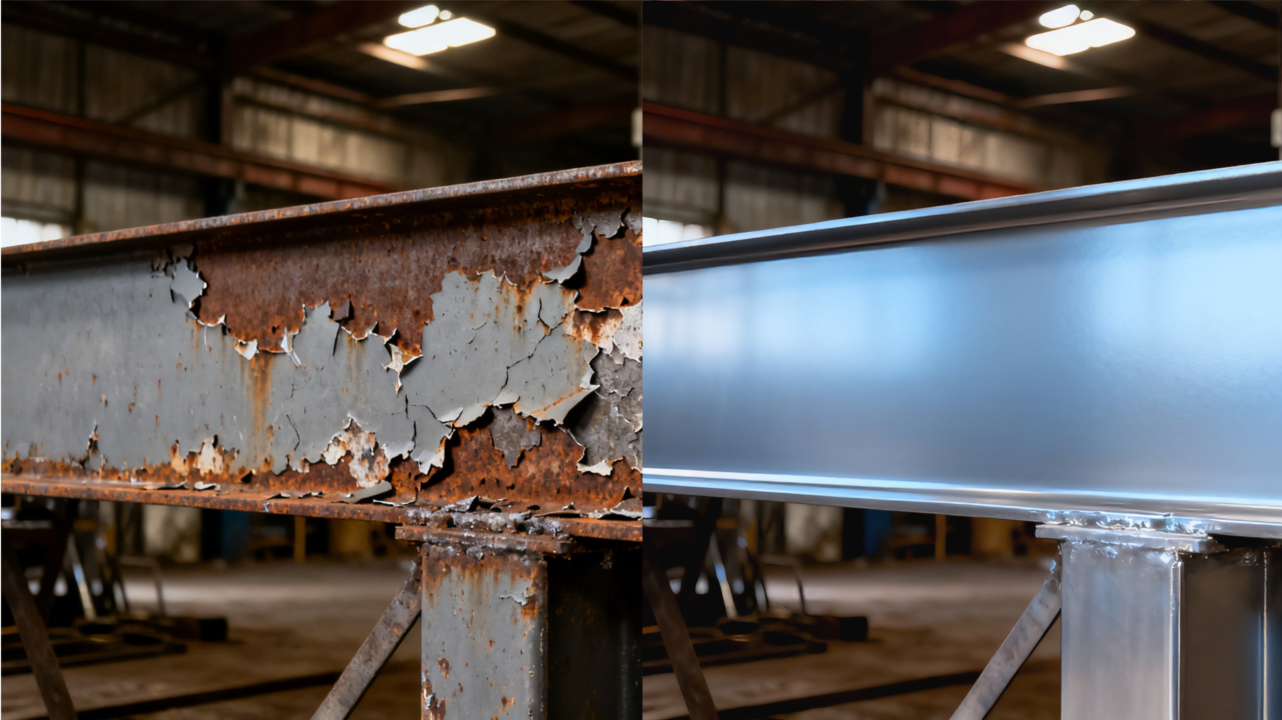
Anti-corrosion primers are the foundation of an effective protective coating system. They form the critical interface between the substrate and subsequent coats, helping improve adhesion, resist moisture and chemical exposure, and reduce the risk of early corrosion failure.
At HUILI, this series is developed for long-term steel protection and industrial coating performance across demanding environments. Our anti-corrosion primers are designed to support strong adhesion, barrier protection, and, where required, cathodic protection for steel structures exposed to humidity, salt spray, chemicals, and outdoor weathering.
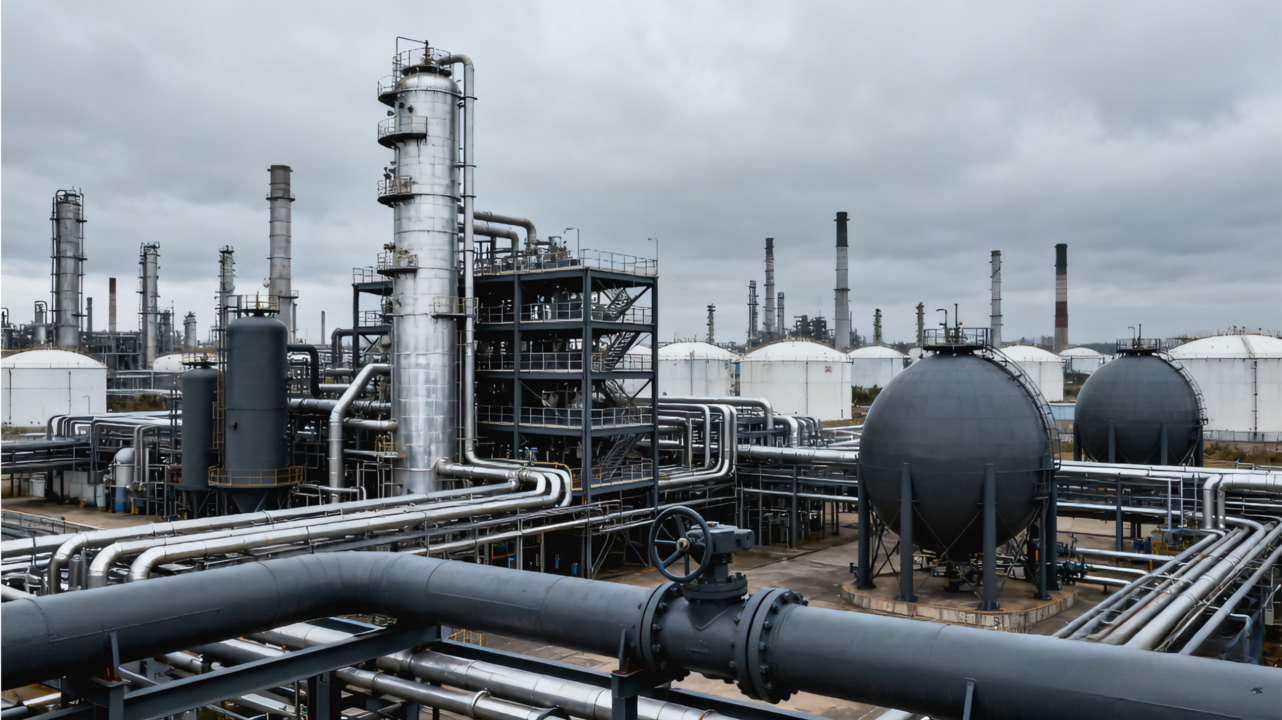
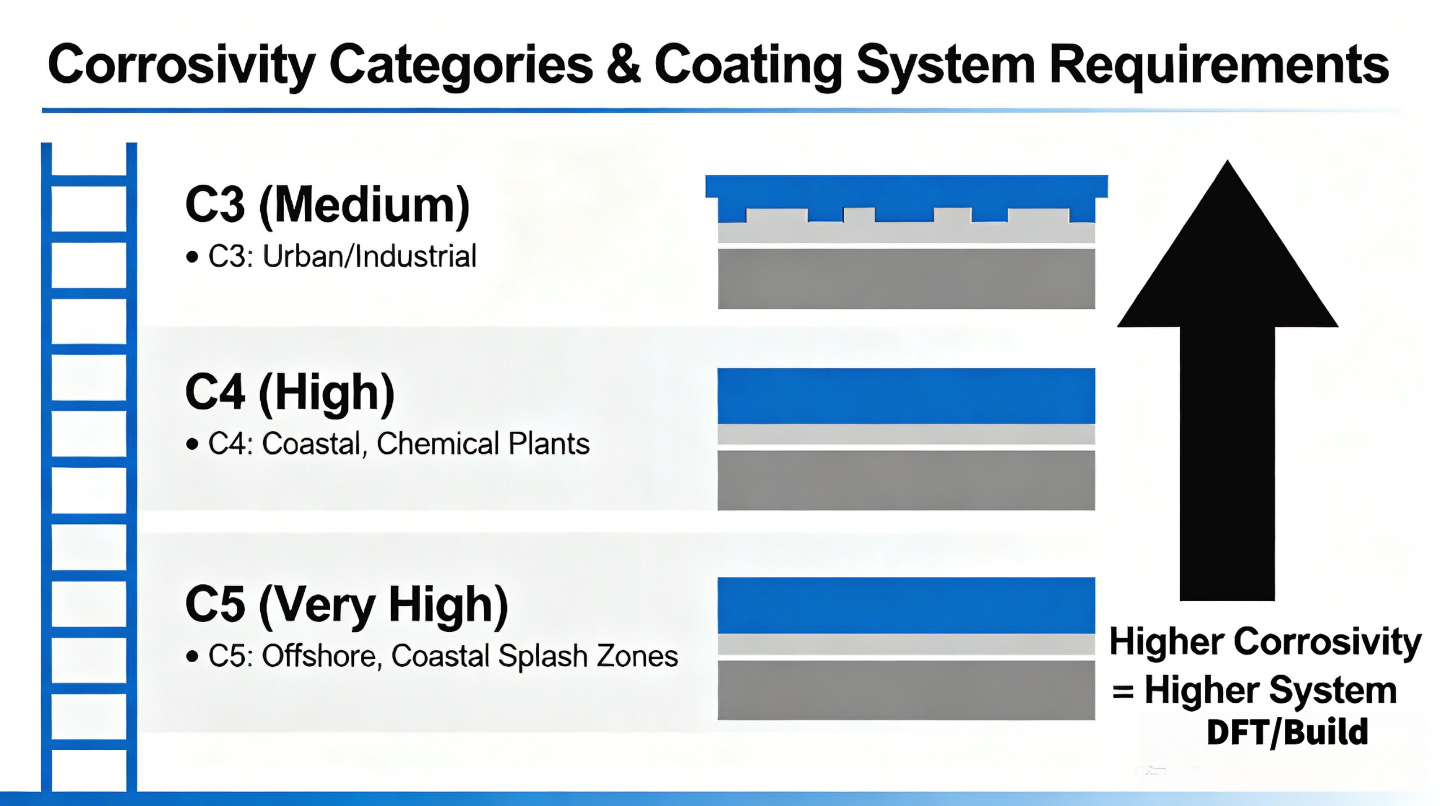
From offshore platforms and storage tanks to bridges, pipelines, power plants, and petrochemical facilities, these coating systems are built for diverse industrial applications. The series includes epoxy primer, zinc-rich primer, surface treatment primer, and intermediate coating options, making it easier to select suitable systems based on substrate condition, corrosive category, and project requirements.
Built to serve as the first line of defense in industrial coating systems.
Designed for adhesion, durability, and compatibility with intermediate and topcoat layers.
Suitable for different substrates and corrosive environments from general industry to heavy-duty marine exposure.
Our Anti-Corrosion Primers series is developed for industrial projects where substrate protection, coating adhesion, and long-term durability are essential.
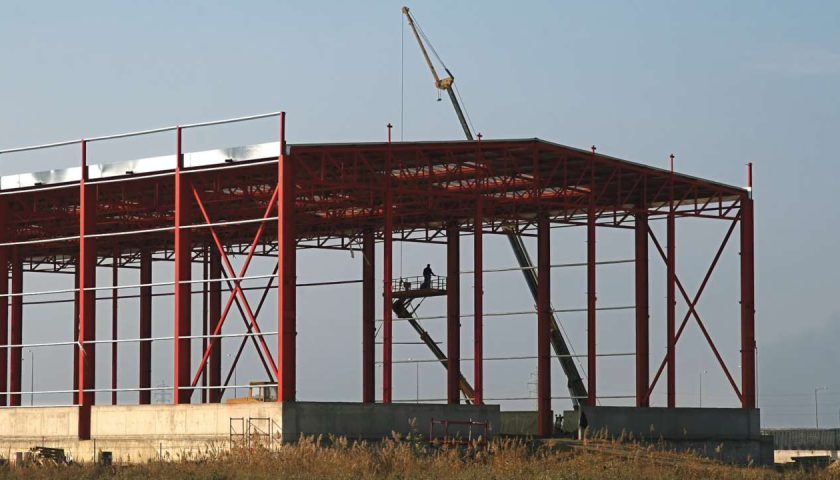
Protective coating systems designed to provide long-term corrosion resistance for industrial steel structures, including factories, warehouses, and bridges.
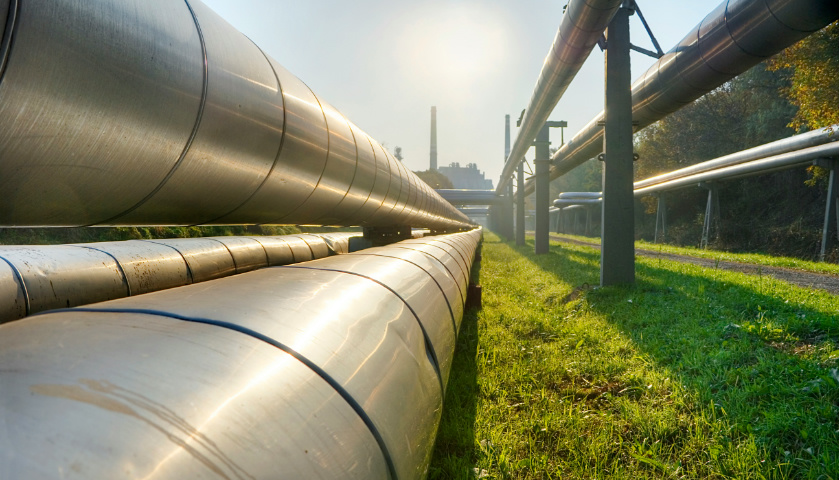
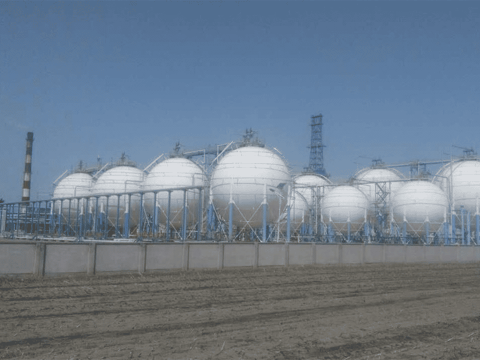
Protective coating systems for storage tanks and pipelines, offering reliable internal and external corrosion protection in chemical and industrial facilities.
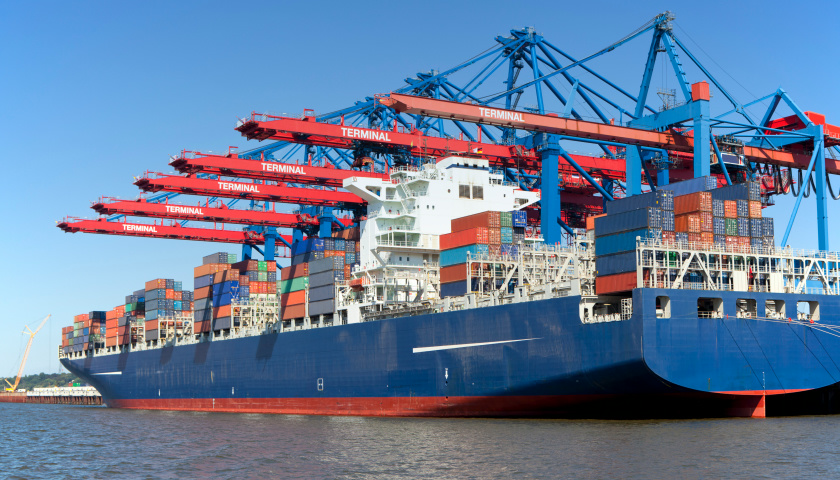
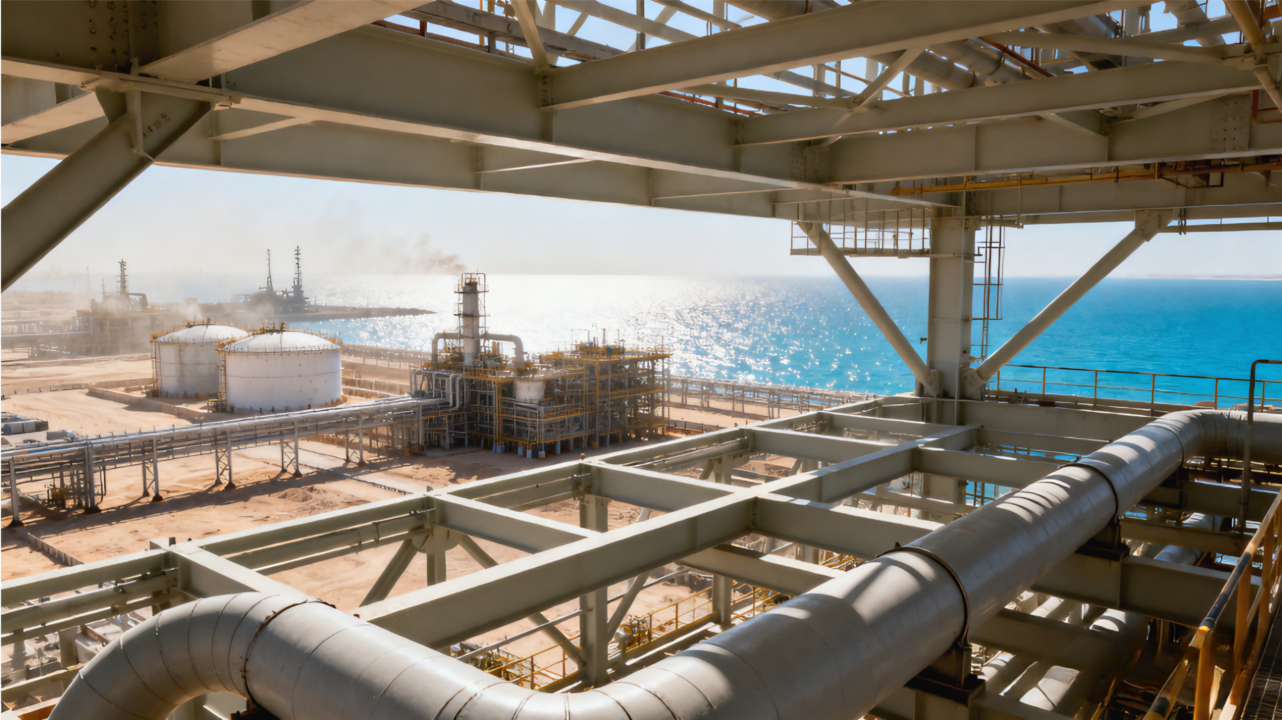
High-performance coating solutions for marine and offshore structures, providing strong resistance to salt spray, humidity, and harsh marine environments.
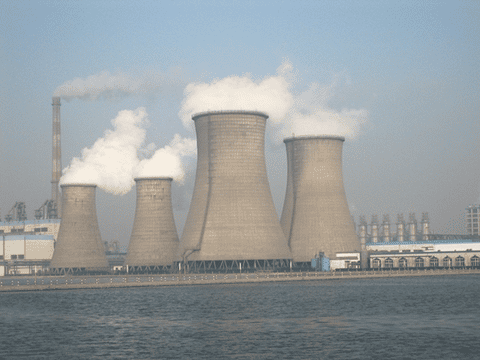
Coating solutions for power plants and energy facilities, designed to protect steel structures and equipment from corrosion, heat, and aggressive environments.
2K vinyl wash primer that forms a phosphate conversion layer on ferrous and non-ferrous metal substrates. Engineered for steel, aluminum & galvanized surfaces requiring enhanced adhesion. Surface dry in 15 minutes, compatible with all anti-corrosive topcoats.
2K ethyl silicate inorganic zinc-rich primer with high zinc content for maximum cathodic protection on industrial steel. Engineered for bridges, transmission towers & oil pipelines. Weld and cut tolerant, Sa2.5 prep, 40–80µm DFT.
2K alkyl silicate inorganic zinc primer delivering cathodic protection with weld and cut tolerance on structural steel. Suited for low-temperature application with universal topcoat compatibility. Sa2.5 prep required, 30µm DFT.
2K special epoxy primer with outstanding adhesion and impact resistance for demanding industrial applications. Engineered for power plants, bridges & petrochemical facilities. Compatible with all topcoat systems, 60µm DFT per coat.
2K epoxy sealer primer engineered for deep penetration and encapsulation of concrete and cement substrates. Seals and stabilizes surfaces to optimize adhesion for subsequent coating systems. Surface dry in 1 hour, full cure in 7 days.
2K modified epoxy iron oxide primer with enhanced water resistance and corrosion protection for steel and concrete. Compatible with polyurethane, acrylic & chlorinated rubber topcoats. Abrasion-resistant film, high adhesion, 35–40µm DFT.
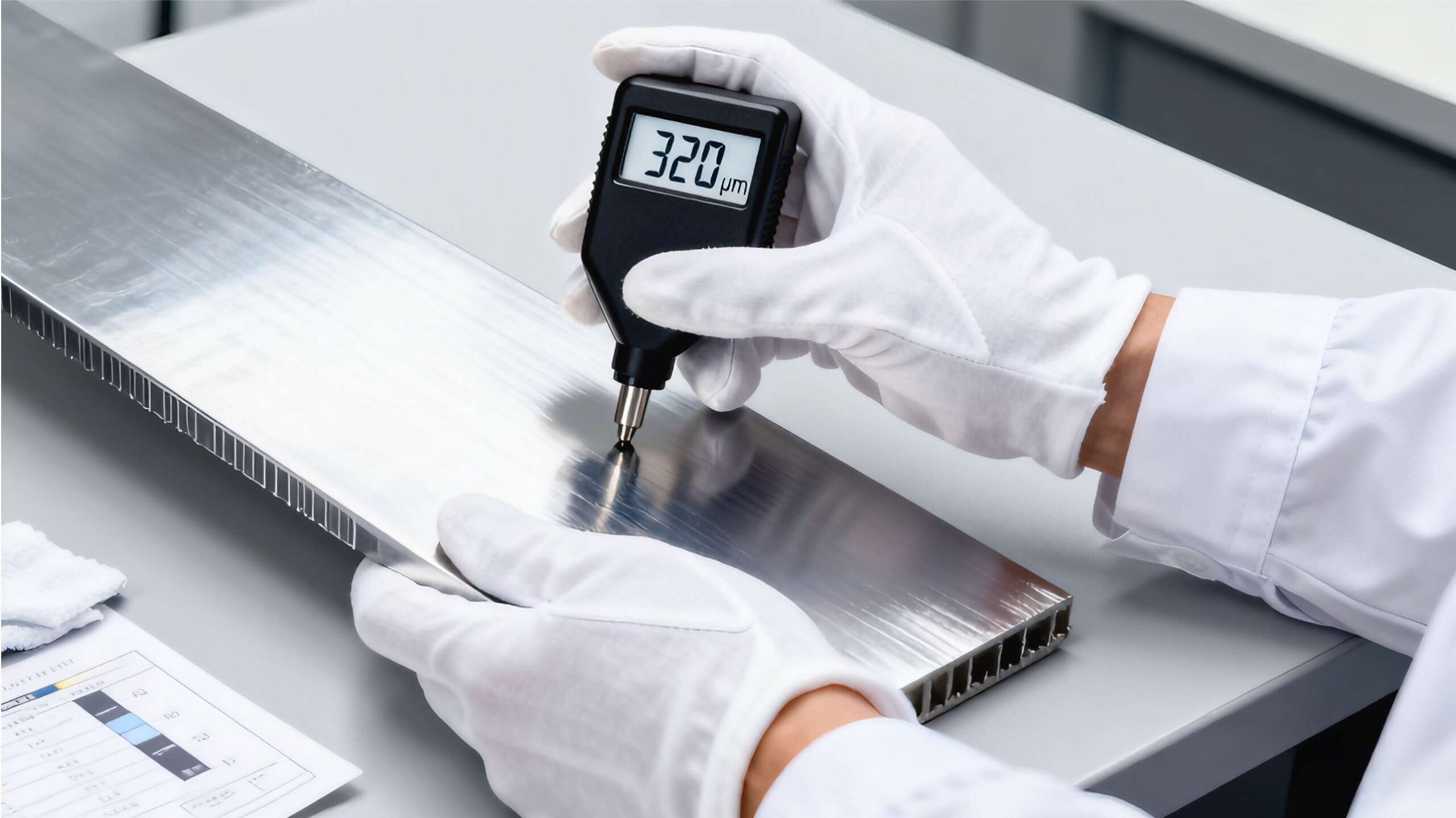
2K epoxy glass flake coating with exceptional chemical resistance and abrasion resistance for severe corrosive environments. Engineered for offshore structures, chemical plants & wastewater facilities. Achieves up to 300µm DFT in heavy-duty applications.
2K epoxy zinc phosphate primer with outstanding saltwater resistance and adhesion for heavy industrial applications. Engineered for port facilities, mining equipment & hydraulic steel in aggressive environments. Sa2.5 prep required, iron red or gray finish.
2K epoxy anti-corrosive primer that chemically reacts with surface corrosion to form a stable protective complex. Applies directly to corroded steel up to 60µm, minimizing surface preparation. Minimum 40µm DFT, universal topcoat compatibility.
Single-component epoxy ester primer engineered for anti-corrosive protection on ferrous metals. Suited for coastal and high-humidity industrial environments. Air-dry or low-temperature bake cure, 25–30µm DFT per coat.
2K C6-modified epoxy MIO intermediate coat engineered to extend coating service life on marine and offshore structures. Pairs with epoxy zinc primer for layered cathodic and barrier protection. 50µm DFT, Sa2.5 prep.
2K epoxy MIO primer and intermediate coat with lamellar barrier structure for aggressive environments. Engineered for shipbuilding, bridges & port machinery. Single airless spray pass achieves 60–80µm DFT.
2K epoxy iron oxide primer with impact-resistant film and strong adhesion on steel and concrete. Compatible with polyurethane, alkyd & chlorinated rubber topcoat systems. Ambient cure at 25°C, 35–40µm DFT.
2K epoxy red lead primer with corrosion inhibition and high mechanical film strength for aggressive environments. Engineered for gas holders, mine shafts & offshore platforms. Achieves 30–35µm DFT with strong adhesion to lightly corroded steel.
2K C6-modified epoxy zinc primer engineered for synergistic cathodic protection and barrier performance. Suited for offshore platforms, marine vessels & petrochemical pipelines. Exceeds 1,200-hour salt spray resistance at 50µm DFT.
2K epoxy zinc-rich primer engineered for cathodic protection on structural steel. Suited for shipbuilding, bridges & oil tanks in aggressive environments. Sa2.5 prep required, 35–40µm DFT.
Substrate Compatibility
This series is designed to support a wide range of industrial substrates, including steel, concrete, galvanized steel, aluminum, and other prepared surfaces. That flexibility helps buyers and project teams use a more coordinated coating family across mixed-material applications.
Corrosion Protection Performance
Our anti-corrosion primers are developed to improve adhesion, resist moisture and salt spray, and support long-term protective performance in aggressive service environments. For systems that require enhanced steel protection, zinc-rich options can also contribute cathodic protection at the substrate level.
System Compatibility
A strong primer must work as part of a complete coating system, not as an isolated layer. This series is developed to integrate with intermediate coatings and topcoats, helping users build practical systems for industrial, marine, infrastructure, and maintenance applications.
| Application | Recommended Primer Direction | Intermediate / Topcoat Direction | Typical Need |
|---|---|---|---|
| Blast-cleaned structural steel | Zinc-rich primer | Epoxy intermediate coating + polyurethane or other compatible topcoat | Long-term corrosion protection and strong system durability |
| Slightly rusted steel maintenance | Rust-tolerant epoxy primer | Compatible maintenance coating system | Reduced surface preparation pressure in repair work |
| General steel structures | Epoxy anti-rust primer | Intermediate coating + durable finishing coat | Reliable steel protection in industrial environments |
| Concrete and cement-based substrates | Sealer primer | Compatible protective coating layers | Surface sealing and improved coating adhesion |
| Galvanized steel and aluminum | Surface treatment primer | Compatible primer or finishing system | Better adhesion on non-ferrous or treated metal surfaces |
| Heavy-duty marine or offshore systems | Zinc-rich primer or high-performance epoxy primer | Heavy-duty intermediate + weather-resistant topcoat | Salt spray resistance and long-term service life |
Identify the substrate
Start with the surface type, such as carbon steel, galvanized steel, aluminum, concrete, or other prepared industrial substrates.
Check the surface condition
Selection can change depending on whether the surface is blast-cleaned, slightly rusted, porous, smooth, or previously coated.
Assess the corrosive environment
Marine exposure, chemical contact, humidity, and outdoor weathering all affect the level of protection required.
Match the full coating system
Choose a primer that works well with the planned intermediate coating and topcoat, so the full coating system performs as intended.
What is the role of an anti-corrosion primer in a coating system?
An anti-corrosion primer acts as the foundation layer of the coating system, helping improve adhesion and protect the substrate from moisture, corrosion, and environmental exposure.
How do I choose between epoxy primer and zinc-rich primer?
Epoxy primer is commonly selected for adhesion and barrier protection, while zinc-rich primer is often used where cathodic protection and higher steel protection performance are required.
Can these primers be used on concrete or galvanized steel?
Yes. Different primer types are available for concrete, porous surfaces, galvanized steel, aluminum, and other industrial substrates, depending on the application need.
Are these products suitable for marine and offshore projects?
Yes. The series is suitable for demanding environments such as offshore platforms, port facilities, ship repair, and other high-salinity industrial applications.
Do these primers work with other coating layers?
Yes. They are designed to function as part of complete coating systems together with intermediate coatings and compatible topcoats.
How can I select the right system for my project?
Selection depends on substrate type, surface preparation, corrosive category, and the performance target of the full coating system.
Choosing the right anti-corrosion coating system is critical to project performance and durability.