
Steel Structure Coating Inspection: A Practical Checklist for Every Stage
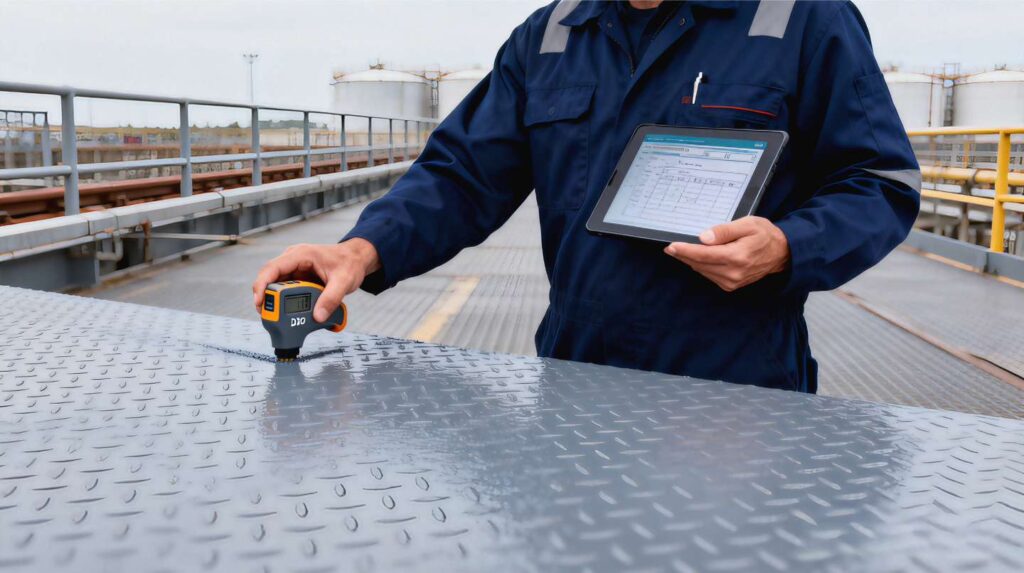
Coating inspection is one of those activities that gets treated as a formality until something goes wrong — and then everyone wonders why there wasn’t a more rigorous inspection process. The reality is that a well-structured inspection regime is not bureaucracy: it’s the mechanism that ensures the contractor applied what was specified, at the right […]
Corrosion Protection for Steel Structures: Getting the Environment Right First
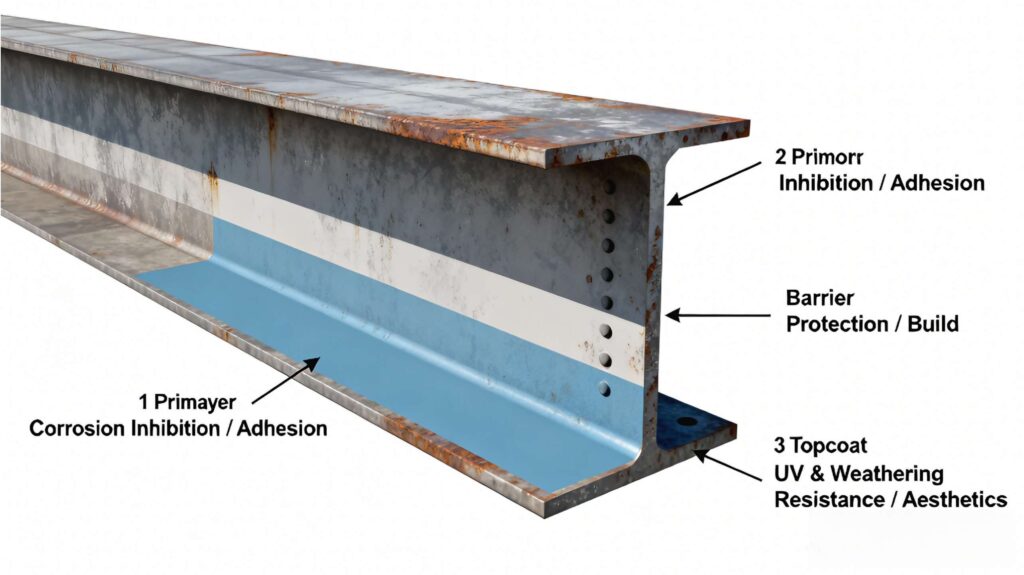
Most coating failures on outdoor steel structures don’t start with a bad product. They start with a wrong environment assessment — someone specifying a C3 system for what is effectively a C4 or C5 environment, or ignoring the difference between a sheltered inland location and an exposed coastal one. Three years later, the coating is […]
Steel Structure Painting Cost Per Square Metre: What Actually Drives the Budget
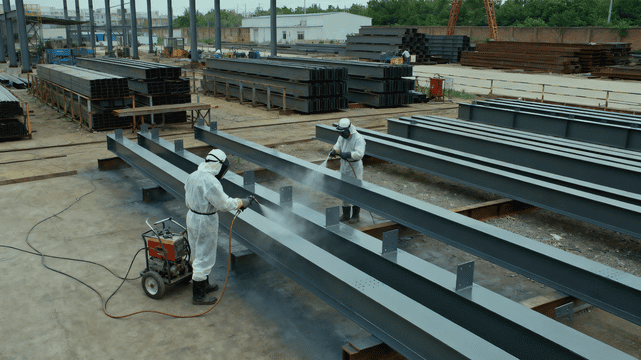
The honest answer to ‘how much does steel structure painting cost per square metre’ is: it depends on more variables than most buyers expect. The coating material itself is often not the largest cost — surface preparation, access scaffolding, and labour can easily dwarf material costs, especially on maintenance recoating projects. That said, there are […]
Importing Fireproof Coatings to Canada: ULC Certification and What Engineers Need to Know
If you’ve been specifying or sourcing intumescent coatings for steel structure projects in Canada, you’ve probably run into one of two situations: either the specification simply says ‘ULC listed’ without explaining what that means, or you’re importing from outside Canada and trying to figure out whether your product actually meets Canadian requirements. This guide cuts […]
Anti-Corrosion Coating for Steel Buildings: Choosing the Right System for C3 and C4 Environments
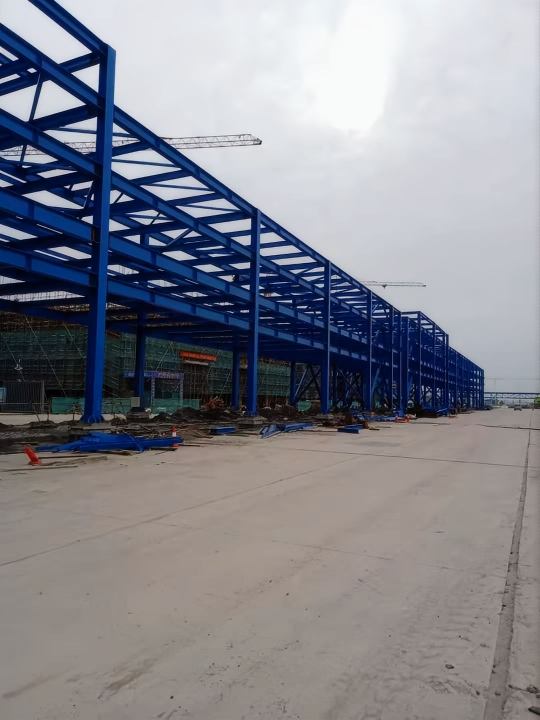
Steel-frame buildings — warehouses, factories, distribution centres, industrial workshops, commercial buildings — make up the largest single category of structural steel in most markets. And yet coating specifications for this category are often either over-engineered (specifying offshore-grade systems for an inland warehouse) or under-engineered (applying a single coat of alkyd primer and hoping for the […]
How to Write a Structural Steel Coating Specification: A Practical Guide
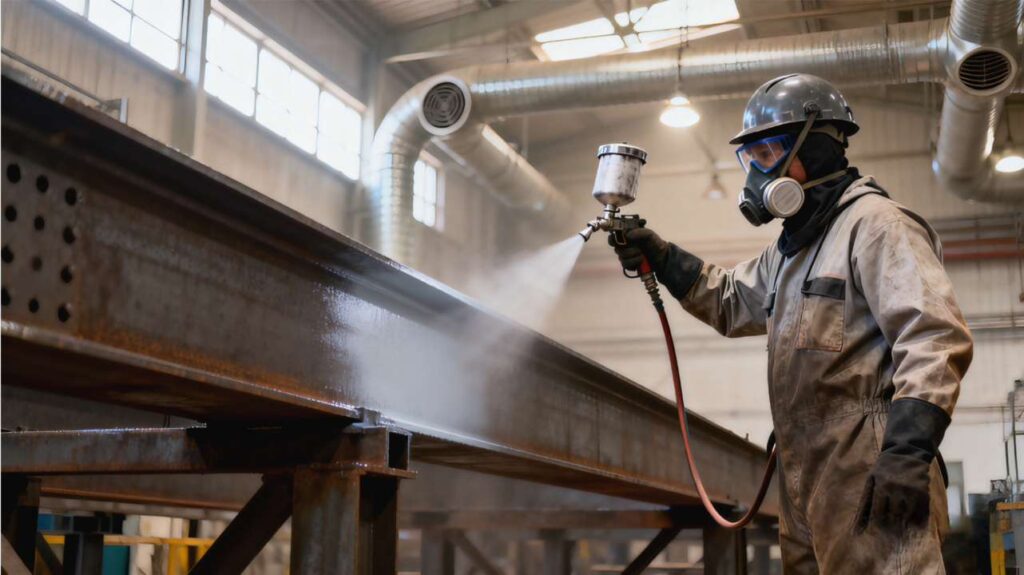
A coating specification is the document that determines whether a steel structure gets protected properly — or whether you end up with disputes, rework, and premature coating failure. Get it right and the contractor knows exactly what to apply, how to prepare the surface, and what inspection is required. Get it vague and you get […]
Coating for Bridge and Infrastructure Steel: Long Service Life in Demanding Environments
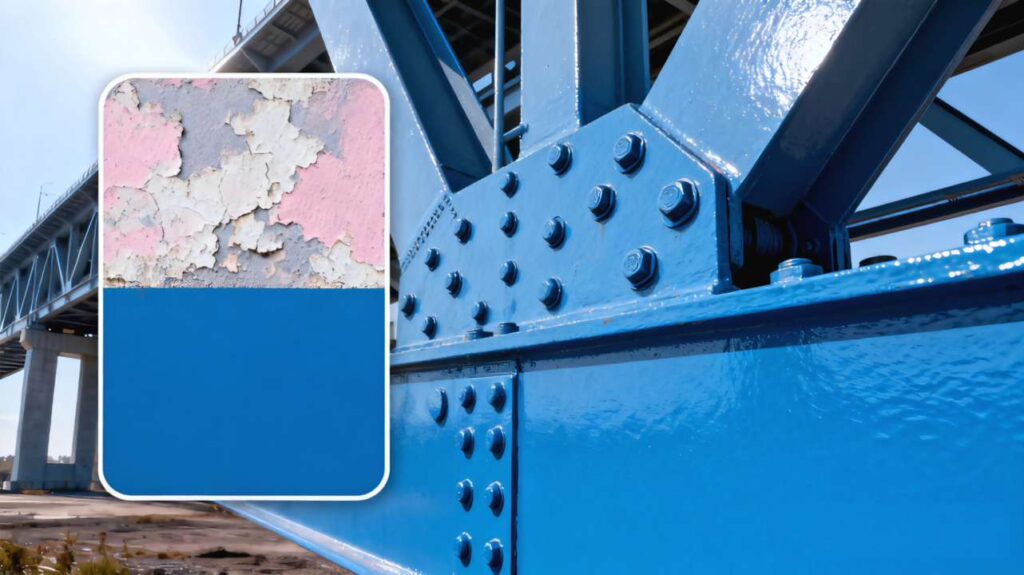
Bridges have a characteristic that makes coating specification consequential in a way that most industrial structures don’t: they’re expensive to maintain, difficult to access, and expected to last 50–100 years. The coating system applied during construction isn’t just corrosion protection — it’s a financial decision that plays out over decades. A coating that lasts 25 […]
Coating for Power Plants and Boilers: High Temperature, CUI, and Structural Protection
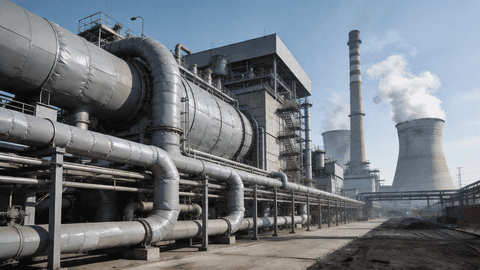
Power generation facilities — coal-fired, gas-fired, combined cycle, or biomass — bring together almost every coating challenge in industrial protection. High-temperature boiler exteriors, flue gas systems carrying SO₂ and moisture, cooling towers with continuous water exposure, large structural steel in outdoor industrial atmospheres, and fireproofing requirements for turbine building steel. Each zone has distinct requirements, […]
Coating for Water Treatment Plants and Desalination Facilities: Compliance, Corrosion, and Long Service Life
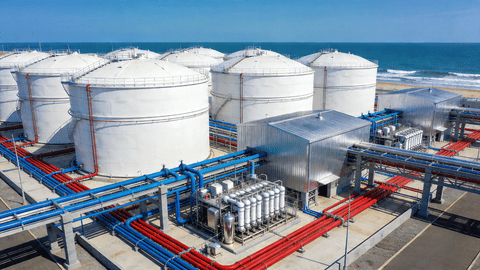
Water treatment and desalination facilities have a coating challenge that’s different from most industrial environments: the coatings in contact with drinking water have to be safe, not just durable. A coating that performs perfectly from a corrosion standpoint but leaches compounds that affect taste, odour, or safety is not acceptable. This regulatory dimension — potable […]
Coating for LNG Storage Tanks and Terminals: Cryogenic Service and Marine Atmosphere Combined
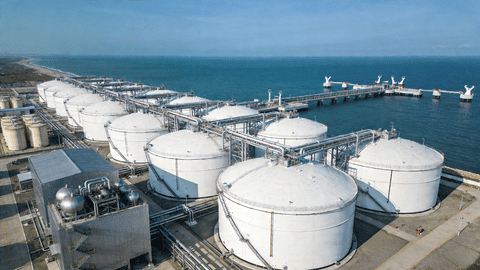
LNG (liquefied natural gas) facilities present a coating challenge that’s genuinely unusual: you need to protect steel in cryogenic service (−162°C for LNG at atmospheric pressure), combined with the aggressive marine or coastal atmospheric environment that most LNG import and export terminals sit in. Add the explosion and fire risk from LNG vapour clouds, and […]
Coating for Oil Refineries and Petrochemical Plants: What Actually Works in This Environment
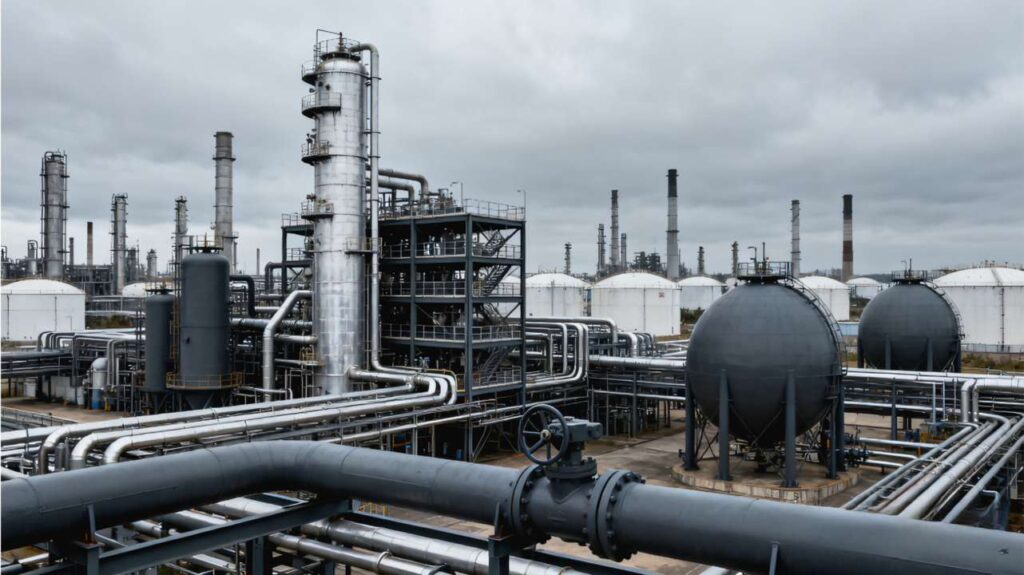
Refineries and petrochemical facilities are about as demanding an environment as industrial coatings get. You’ve got process temperatures that range from cryogenic to 400°C+, atmospheres loaded with H₂S and SO₂, hydrocarbon spills and splash, steam, fireproofing requirements, and equipment that simply cannot be taken offline easily for recoating. Get the coating specification wrong, and you’re […]
How Long Does Epoxy Coating Take to Cure — and What Affects It?
This is one of those questions with a correct answer that isn’t immediately satisfying: it depends. It depends on the specific product, the temperature, the film thickness, the ventilation, and what you mean by ‘cured’. Understanding epoxy cure isn’t just an academic exercise. Return the tank to service too early and you get solvent attack […]