
Chemical Storage Tank Lining: Selection Guide for Acid, Alkali, and Solvent Service
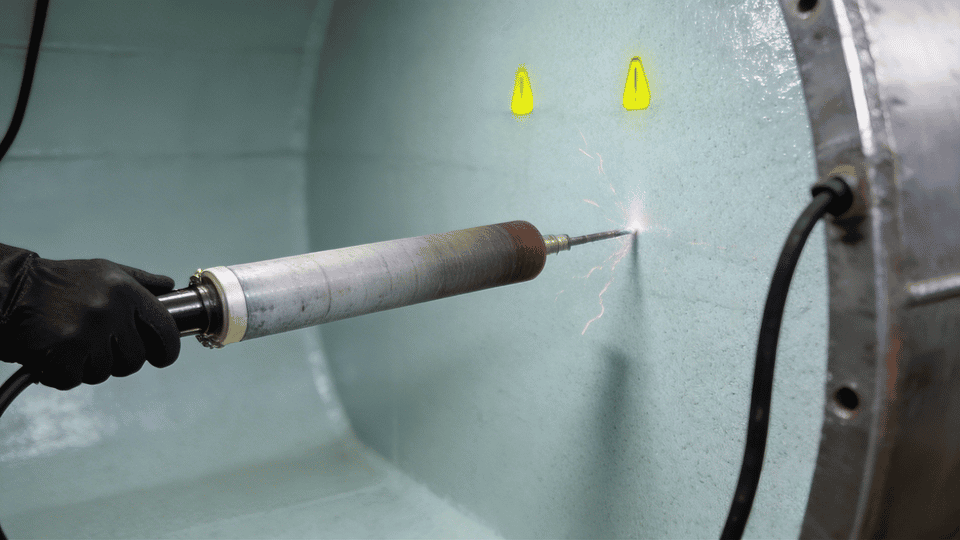
Selecting the wrong lining for a chemical storage tank is a critical error that can lead to system failure within months. This guide provides a definitive selection framework based on chemical concentration and temperature limits to ensure long-term substrate protection. Quick Selection Summary Before diving into technical specifications, use this summary for the most common […]
ISO 12944 Durability Classes Explained: High, Medium, and Low — and How to Choose
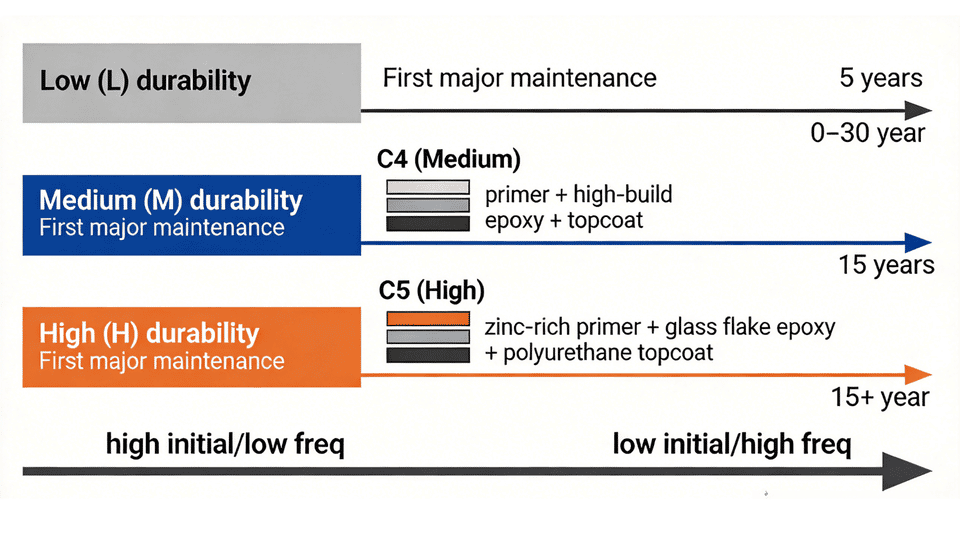
When a project specification says ‘ISO 12944, C5, High durability’, the ‘High durability’ part is doing a lot of work. It’s not a vague aspiration — it’s a defined performance class with specific coating system requirements, and choosing the wrong durability class is as much a specification error as choosing the wrong corrosivity category. This […]
Crude Oil Storage Tank Coating: Why the Difference Between Sweet and Sour Crude Changes Everything
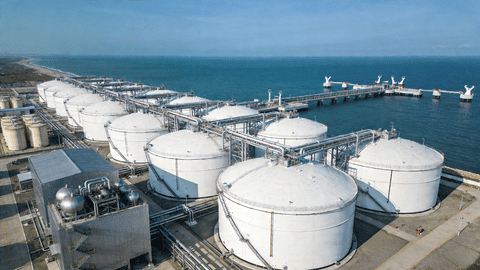
In most industrial coating applications, the wrong product choice means premature degradation — a coating that should last 15 years failing at 8. In crude oil storage tanks, the consequences of misspecification can be more severe. A lining that isn’t rated for sour service doesn’t just degrade faster — it can soften, blister, and lose […]
Fire Water Tank Lining: Which System Do You Actually Need?
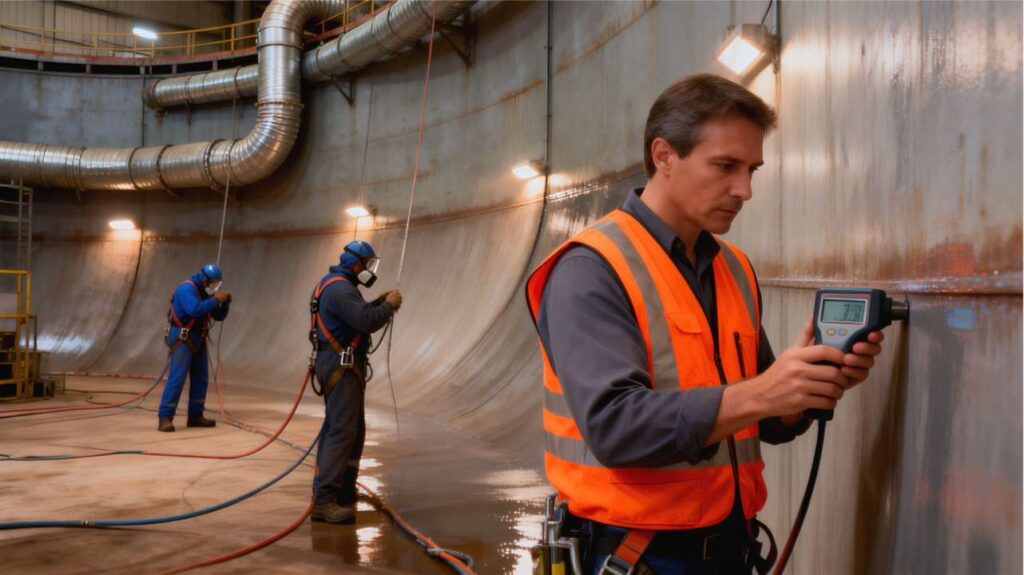
Fire water storage tanks sit in an interesting middle ground when it comes to coating specification. They hold water — which suggests potable water compliance. But the water isn’t for drinking — it’s for fire suppression. And they’re often large, field-erected, and sit for extended periods without being used, which creates its own set of […]
ISO 12944 Coating Systems: The Complete Reference Table for Engineers
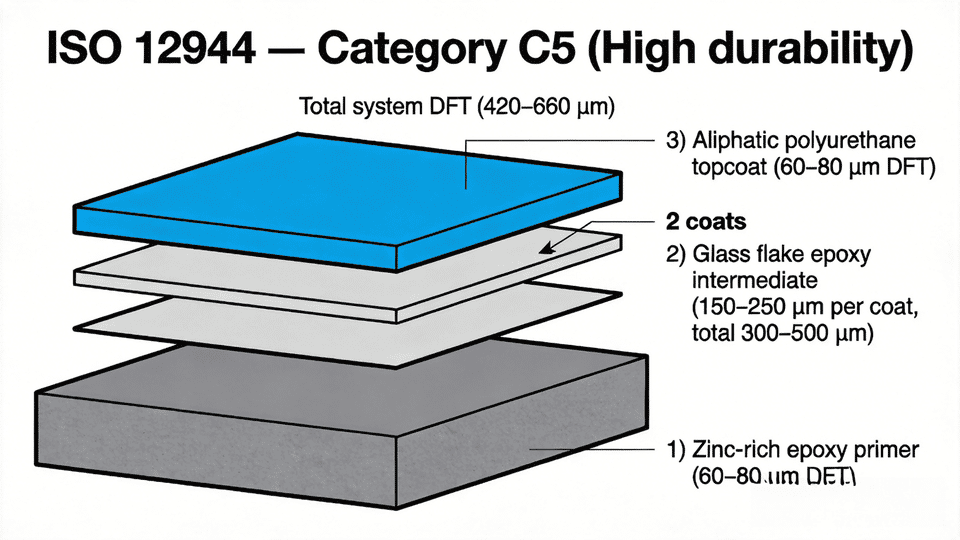
ISO 12944-5 contains the definitive coating system tables for corrosion protection of steel structures — but the standard itself is not free to access, and even those who have it sometimes struggle to extract the practical guidance they need for a project specification. This article reproduces the key system logic from ISO 12944-5 in a format […]
ISO 12944 C4 vs C5: How to Tell Which Category Your Project Is In
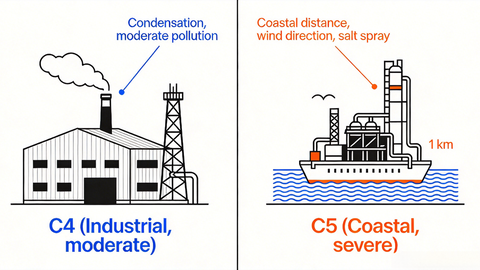
The question comes up on almost every industrial or coastal steel structure project: is this site C4 or C5? It’s not always obvious — and getting it wrong in either direction costs money. Over-classify to C5 on an inland site and you pay 30–40% more in materials for protection you don’t need. Under-classify a coastal […]
How Long Does Anti-Corrosion Coating Last on Steel Structures? What the Data Actually Shows
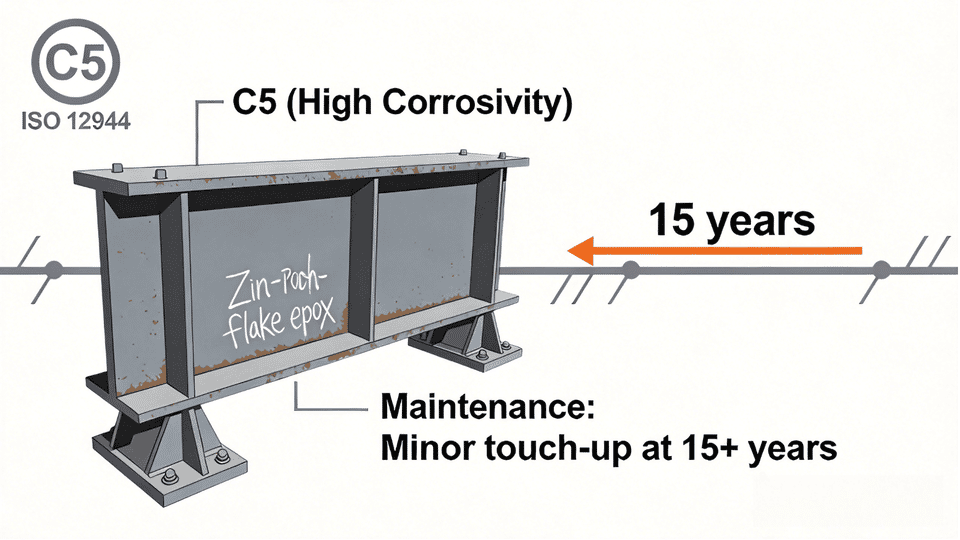
This question comes up on almost every industrial coating project, and the honest answer has more caveats than most people want. The short version: a well-specified, correctly applied coating system in the right environment will last 15–25 years before first major maintenance. A poorly specified or poorly applied system might start failing within 3–5 years. […]
Epoxy Coating for Steel Columns and Beams: What Changes When Geometry Gets Complex
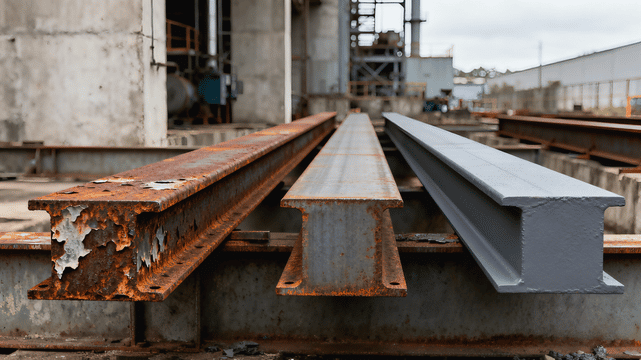
Applying epoxy coating to flat steel plate and applying it to fabricated structural sections — I-beams, H-columns, hollow sections, angles, channels — are different propositions. The product is the same. The surface preparation is the same. But the geometry creates specific challenges that flat-surface coating experience doesn’t fully prepare you for. Edges corrode first. Weld […]
Sa 2.5 vs Sa 3 Blast Cleaning: When the Difference Matters for Steel Coating
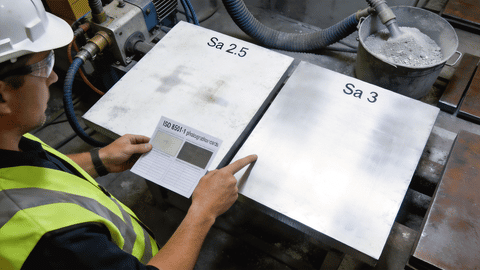
Sa 2.5 and Sa 3 are the two highest grades of abrasive blast cleaning for steel surfaces in the ISO 8501-1 standard. Most industrial coating specifications require Sa 2.5 — it’s the standard minimum for zinc-rich primers and high-performance epoxy systems. Sa 3 is specified less frequently, but when it’s required, it’s required for good reasons. Understanding […]
Heavy-Duty Anti-Corrosion Coating for Industrial Steel: What C5 Actually Requires
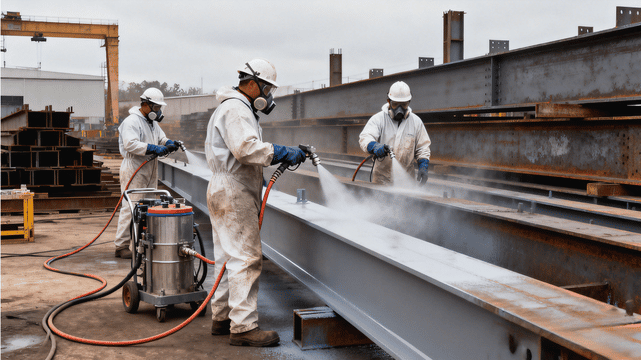
‘Heavy duty’ is one of those terms that appears on a lot of coating product labels and specifications without a precise meaning. Every manufacturer seems to have a ‘heavy duty’ epoxy. Not all of them perform the same way in genuinely aggressive industrial environments. In the ISO 12944 framework, the term maps reasonably well to category C5 […]
Organic vs Inorganic Zinc-Rich Primer for Structural Steel: Which One Should You Specify?
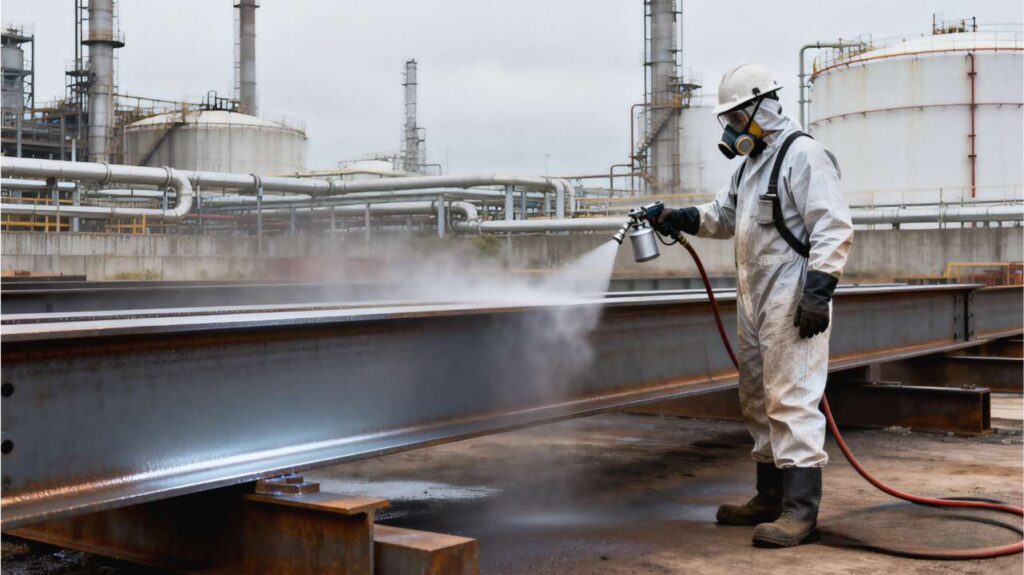
Both organic zinc-rich primers (zinc-rich epoxy) and inorganic zinc silicate primers provide galvanic corrosion protection to structural steel. Both contain high levels of metallic zinc dust. And yet they’re meaningfully different products with different performance profiles, different application requirements, and different appropriate uses. In practice, organic zinc-rich epoxy is specified for the vast majority of […]
Anti-Corrosion Coating for Steel in Coastal and Marine Environments: How to Specify for the Conditions
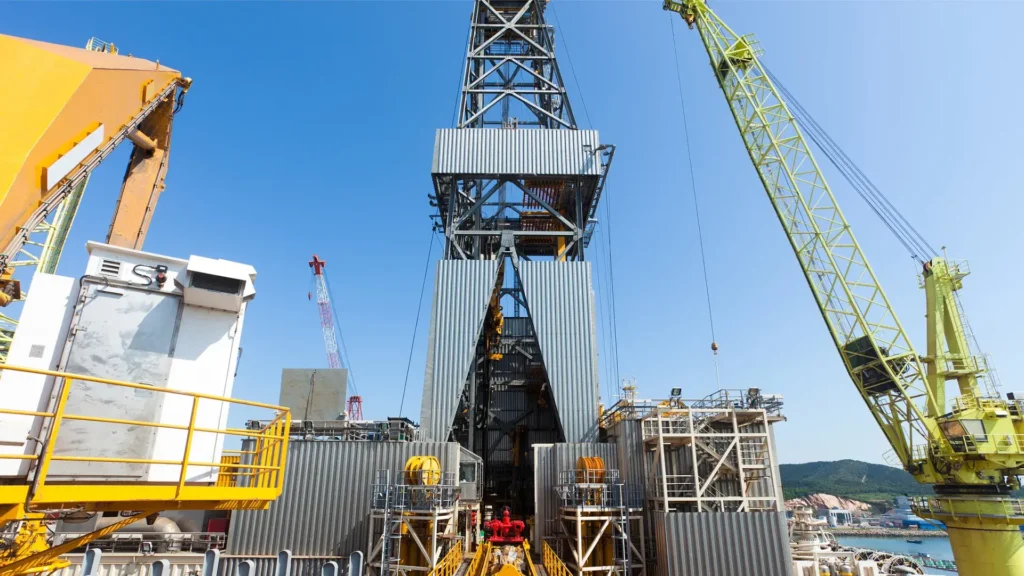
Coastal and marine environments are where anti-corrosion coatings are most challenged — and most frequently underspecified. The combination of salt-laden air, humidity, UV exposure, and in some locations direct wave splash creates corrosion rates many times higher than inland industrial environments. A C4 coating system that would last 20 years in an urban industrial setting […]