
How to Inspect a Tank Lining Before Putting It Into Service
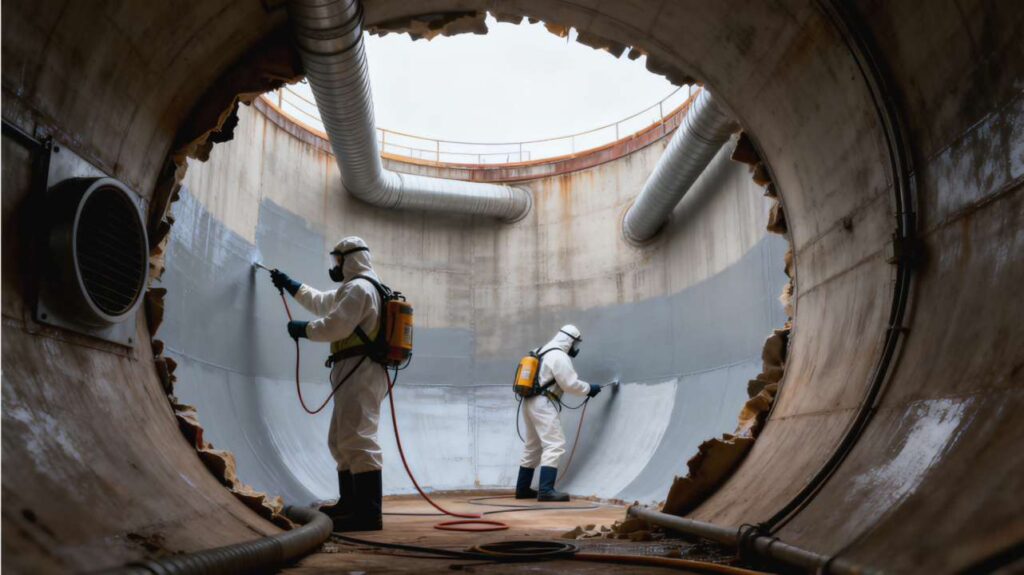
A tank lining that looks good isn’t necessarily a tank lining that will perform. Some of the most consequential defects — chloride contamination beneath the film, insufficient DFT on the bottom plate, holidays that didn’t trigger the sponge test — are invisible to a visual walkthrough. And unlike structural steel coatings, where a local failure […]
How to Mix Two-Component Epoxy Coating — and Why Getting It Wrong Matters
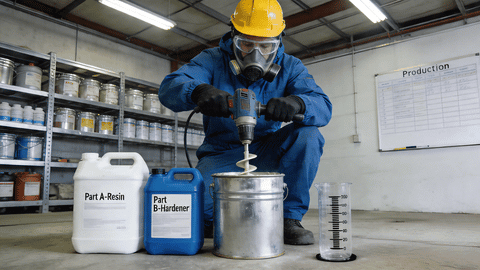
Mixing a two-component epoxy coating seems basic. It shouldn’t be complicated — measure out the components, stir them together, apply. But in practice, it’s one of the more frequently botched steps in industrial coating application, and the consequences aren’t always obvious at the time. An under-mixed or incorrectly ratioed epoxy can look exactly like a […]
How to Apply Epoxy Coating on Steel: A Step-by-Step Application Guide
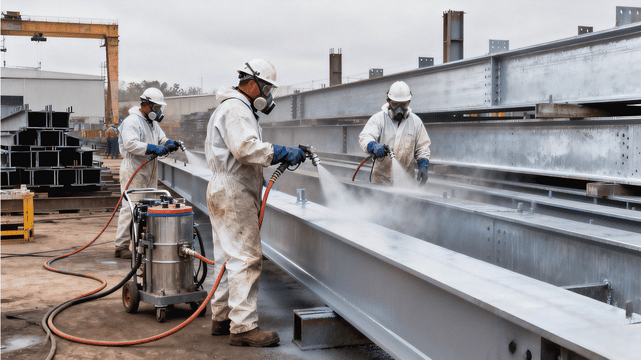
Epoxy coating application looks straightforward — mix two components, spray. In practice, a surprising number of coating failures trace back to application mistakes rather than product quality. Wrong mixing ratio, applied outside the temperature window, overcoat interval missed, surface prep not inspected before coating — any of these can undermine a product that would otherwise […]
How to Measure Dry Film Thickness on Coated Steel — A Practical Field Guide
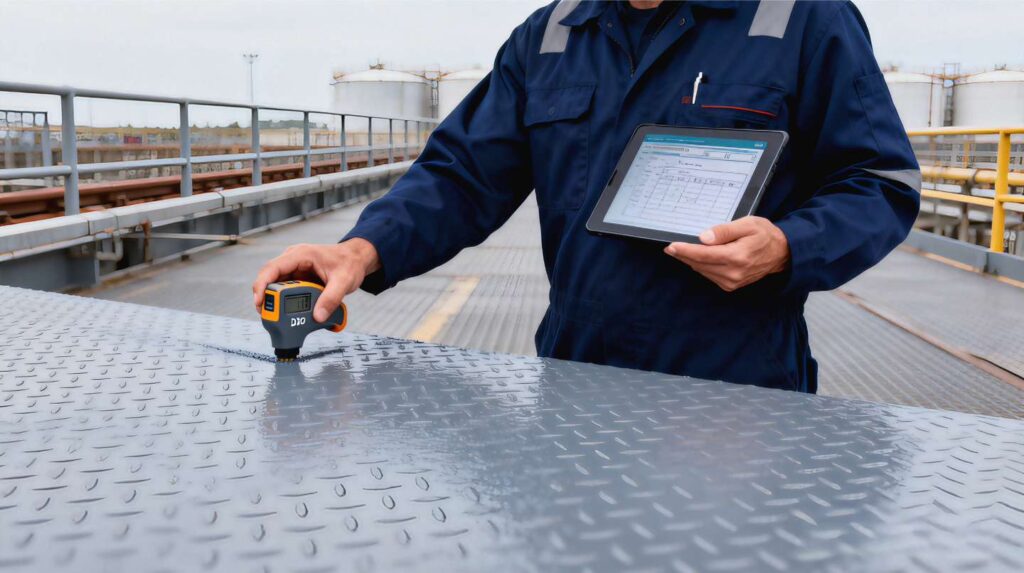
Measuring DFT in a lab on a flat test panel is straightforward. Measuring it reliably on a real structure — with rough surface profiles, complex geometry, magnetic variation across the substrate, and time pressure from the application crew — takes a bit more care. This is a practical walkthrough of how DFT measurement actually works […]
What Is Cathodic Disbondment — and Why Does It Matter for Pipeline and Immersion Coatings?
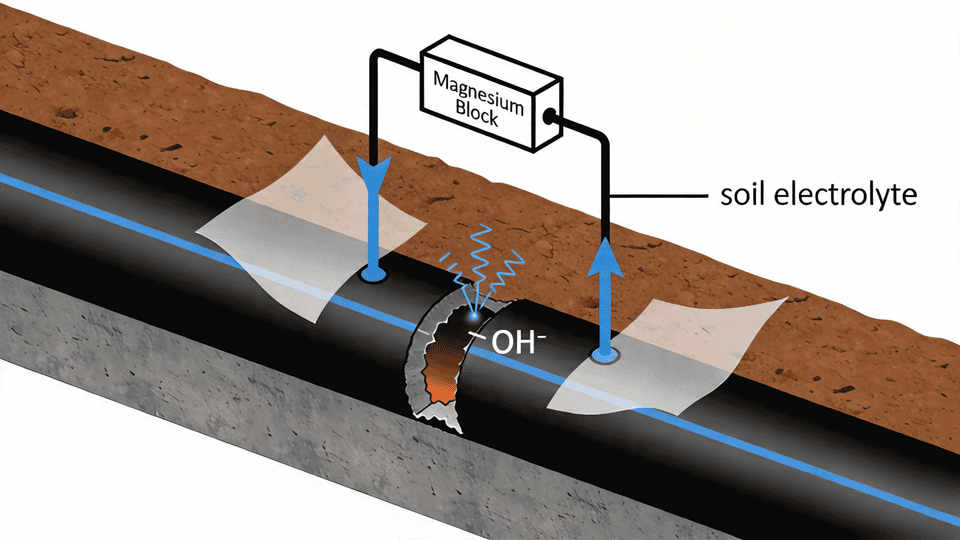
Cathodic disbondment (CD) is one of those coating failure modes that sounds technical enough to be dismissed as someone else’s problem — until you’re dealing with a pipeline that’s corroding despite being both coated and cathodically protected. It’s actually a fairly elegant failure mechanism once you understand it. And understanding it explains why ‘good coating […]
What Is Pot Life in Epoxy Coating — and What Happens If You Ignore It?
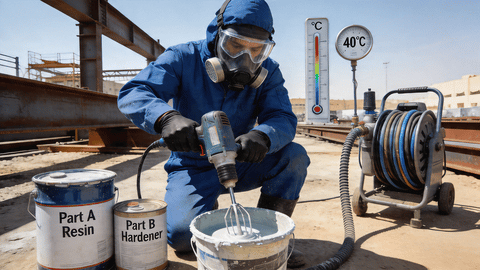
Pot life is one of those properties that gets noted on a technical data sheet, acknowledged in a safety briefing, and then quietly forgotten during a busy application day — particularly in hot weather when the project is running behind. That’s when things go wrong. In two-component epoxy systems (and polyurethane, and most zinc rich […]
What Is a Zinc Rich Primer — and Why Is It Specified for Structural Steel?
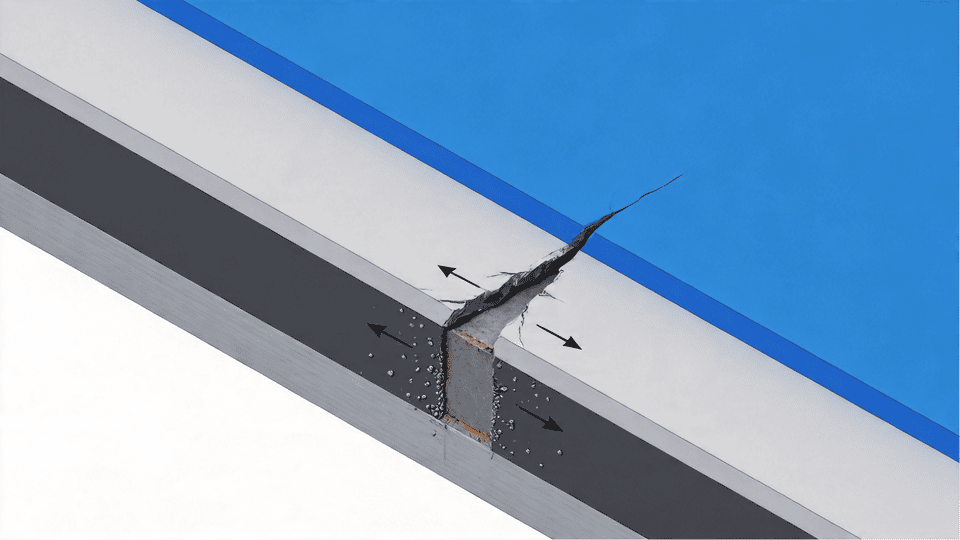
Ask a coating engineer what primer they’d put on structural steel in a coastal or offshore environment, and the answer is almost always zinc rich. It’s been the standard for demanding corrosion protection for decades. But the reasoning behind it — why zinc specifically, how the protection mechanism actually works, and why the zinc content […]
What Is Holiday Testing in Coatings — and When Is It Required?
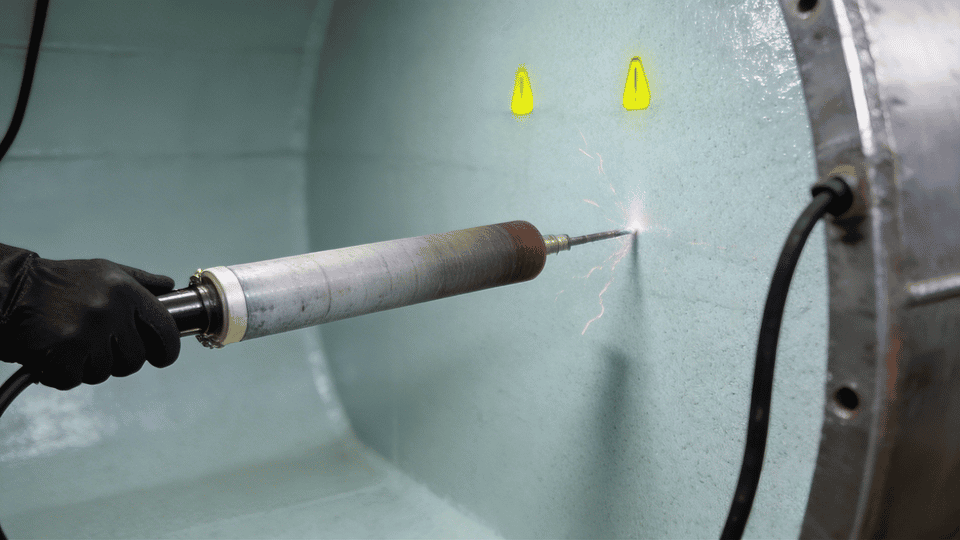
A ‘holiday’ in coating terminology is a pinhole, void, or discontinuity in a cured coating film — a spot where the coating has failed to cover the substrate completely. The word comes from the idea of a gap or break, like a holiday from coverage. Holiday testing (also called discontinuity testing or pinhole testing) is […]
What Is DFT in Coating — and Why Does It Matter More Than Most People Think?
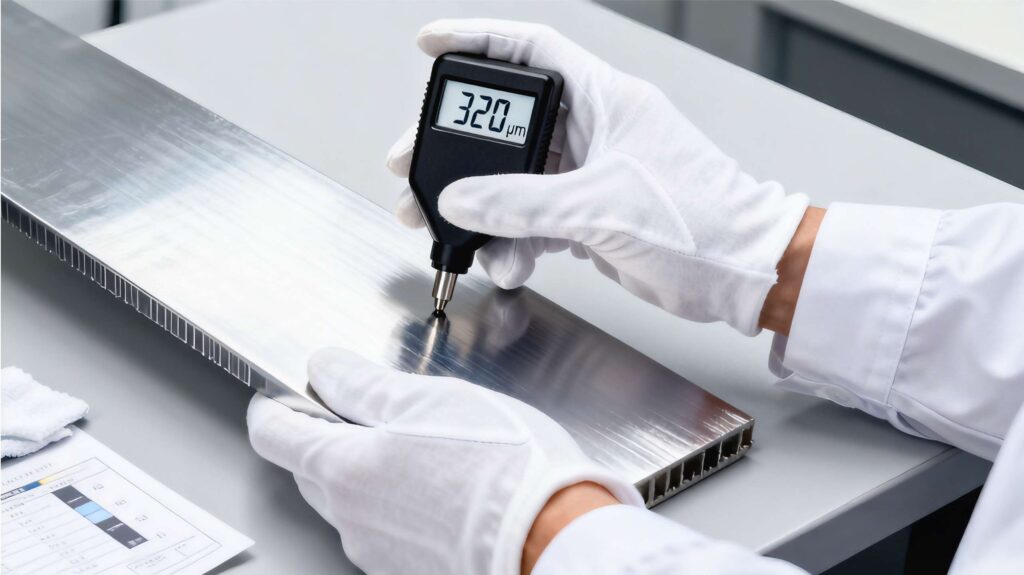
DFT stands for dry film thickness. It’s the thickness of a coating layer after the solvents have evaporated and the film has fully cured — measured in micrometres (µm) or sometimes mils (thousandths of an inch, used mainly in North American specifications). That’s the short answer. But if DFT were just a measurement, it wouldn’t […]
How to Calculate Intumescent Coating Thickness for Structural Steel
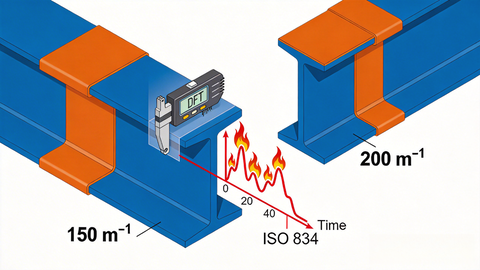
Here’s a question we get from engineers and project managers fairly often: how thick does the intumescent coating actually need to be? It sounds like it should have a simple answer. It doesn’t — at least not without knowing a few things about the steel section you’re protecting. The required dry film thickness (DFT) varies […]
Pipeline Coating Systems: External vs Internal Protection — Selection Guide and Standards
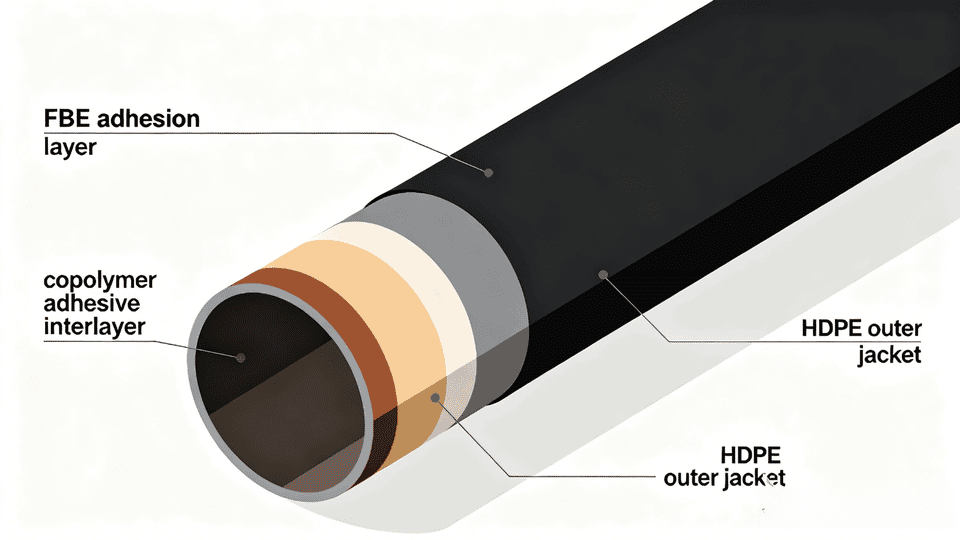
Pipeline coating systems are engineered to protect steel pipelines against soil corrosion, seawater exposure, internal chemical attack, flow-related erosion, and long-term service failure. For industrial pipeline projects, selecting the right external and internal coating system is critical because coating failure can lead to leakage risk, product contamination, shutdown, excavation, and high repair costs. As an […]
Splash Zone Coating for Offshore Structures: Selection Guide and CX Standards
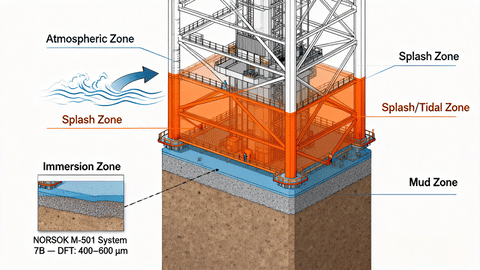
Of all the corrosion zones on an offshore structure, the splash zone is the most aggressive and the most difficult to protect. Permanently submerged steel can be protected with cathodic protection. Atmospheric steel above the waterline can be protected with standard marine coating systems. But the splash zone — the band of steel that is […]