
Epoxy Phenolic Coating for Chemical Tank Lining: Selection Guide
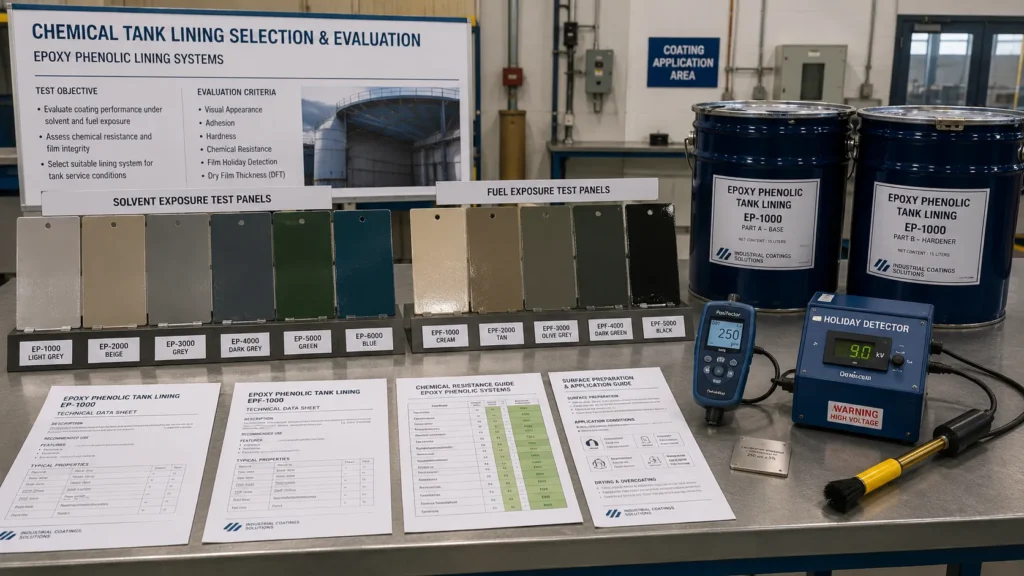
Epoxy phenolic is used when a tank lining needs better resistance to selected solvents, fuel products, hot water, condensate, and chemical storage conditions than a standard epoxy coating can normally provide. For EPC contractors, corrosion engineers, tank maintenance teams, and industrial buyers in the Middle East, Southeast Asia, and Central Asia, the key question is […]
Galvanized Coating vs Zinc-Rich Coating for Steel Protection
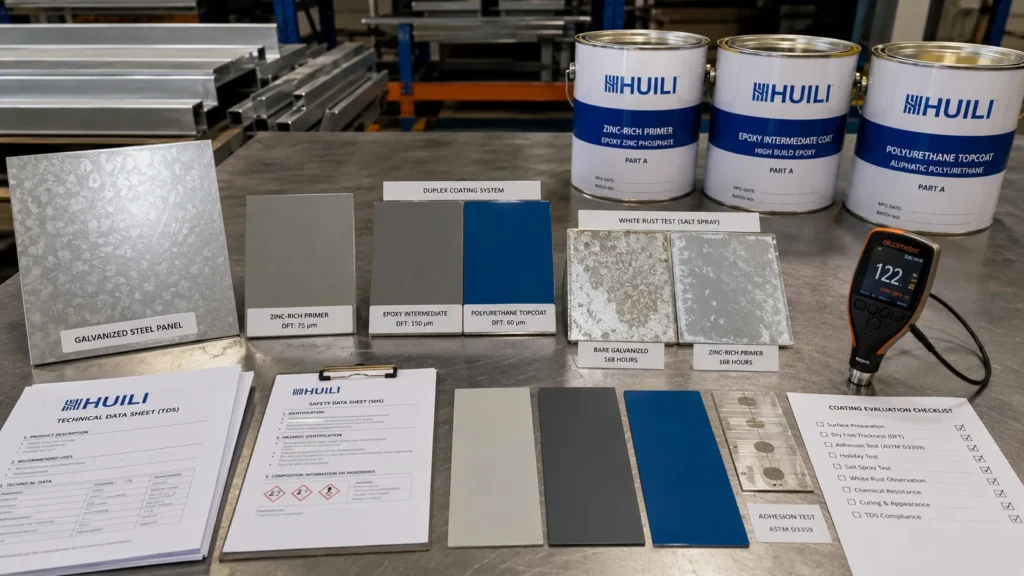
Galvanized coating protects steel through a zinc layer, but it is not the only zinc-based protection route for industrial steel projects. Depending on fabrication method, steel size, exposure environment, repair access, color requirement, and maintenance target, buyers may need hot-dip galvanizing, zinc-rich primer, or a duplex coating system. For EPC contractors, steel fabricators, infrastructure buyers, […]
Stainless Steel Protective Coating: When Industrial Stainless Steel Needs Protection
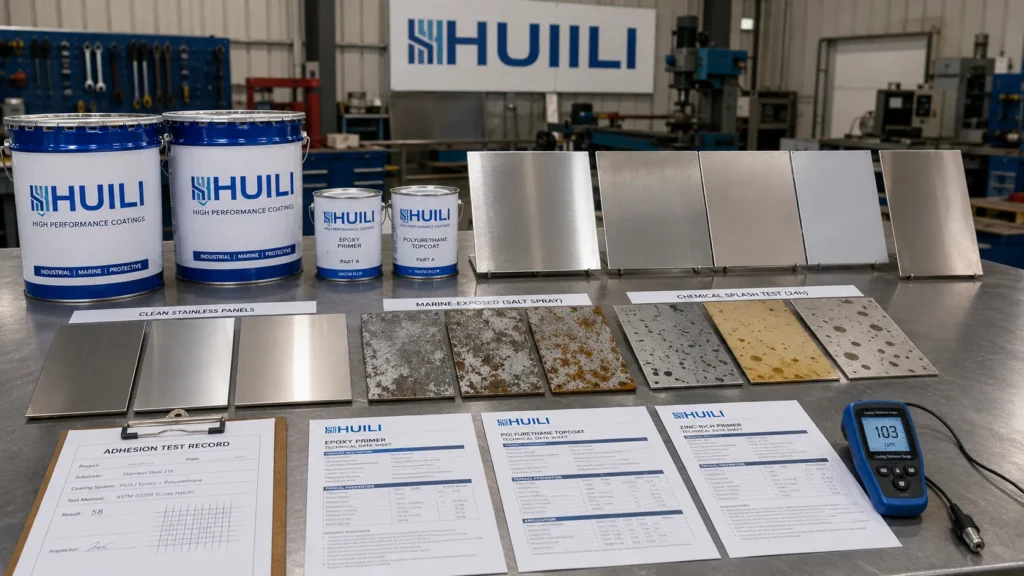
Stainless steel protective coating is not required for every stainless steel asset, but it becomes important when the service environment can damage the passive layer or create special corrosion risks. In marine, chemical, CUI, galvanic, abrasion, or high-cleanability environments, stainless steel may still suffer from chloride pitting, crevice corrosion, coating adhesion failure, contamination, or surface […]
Aluminum Protective Coating: Primer, Surface Prep and System Selection Guide
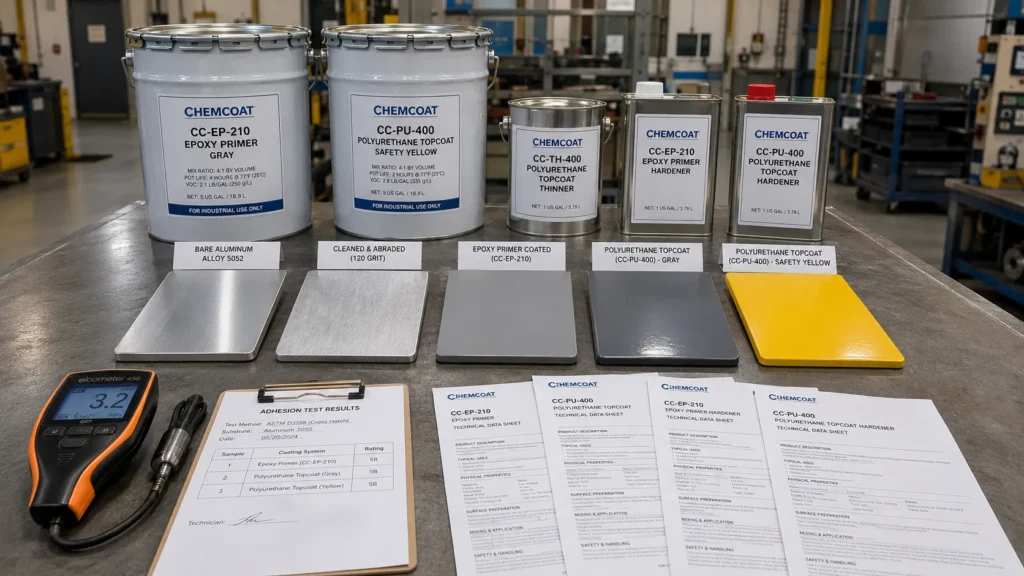
Aluminum protective coating should be selected by aluminum surface condition, exposure environment, adhesion risk, primer compatibility, and final service requirement. Although aluminum naturally forms an oxide layer, industrial aluminum assets can still suffer from corrosion, pitting, coating peeling, abrasion, chemical splash, galvanic corrosion, and premature topcoat failure when the coating system is not designed correctly. […]
Red Oxide Epoxy Primer: Color, Steel Protection, and Primer Selection Guide
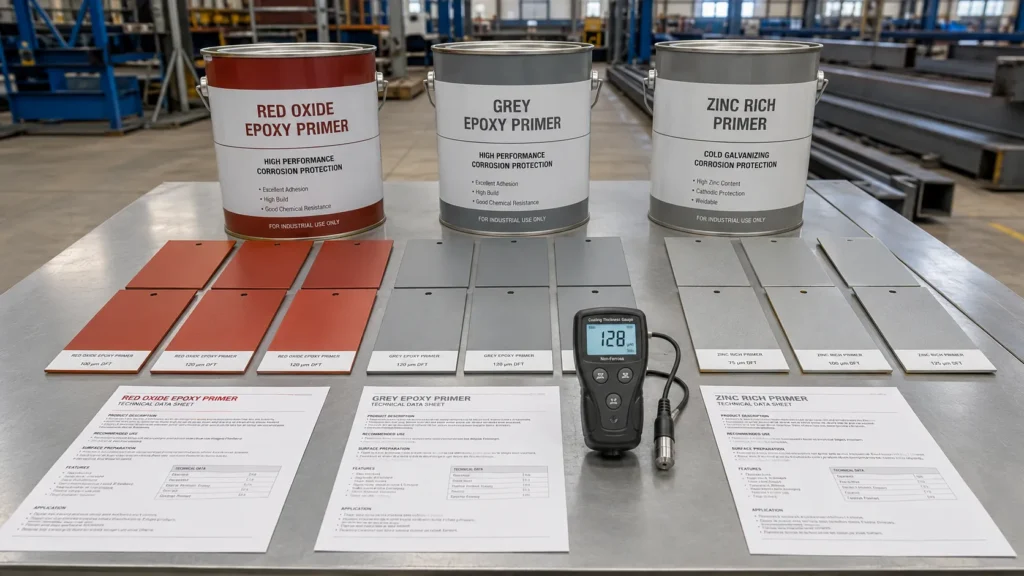
Red oxide epoxy primer is an epoxy-based industrial steel primer that uses red oxide or iron oxide red pigmentation as part of the primer system. However, the red color itself does not prove heavy-duty corrosion resistance. For procurement managers, steel fabricators, maintenance teams, EPC contractors, and coating distributors, the real selection should be based on […]
Epoxy Primer Undercoat: Layer Role and Compatibility in Industrial Coating Systems
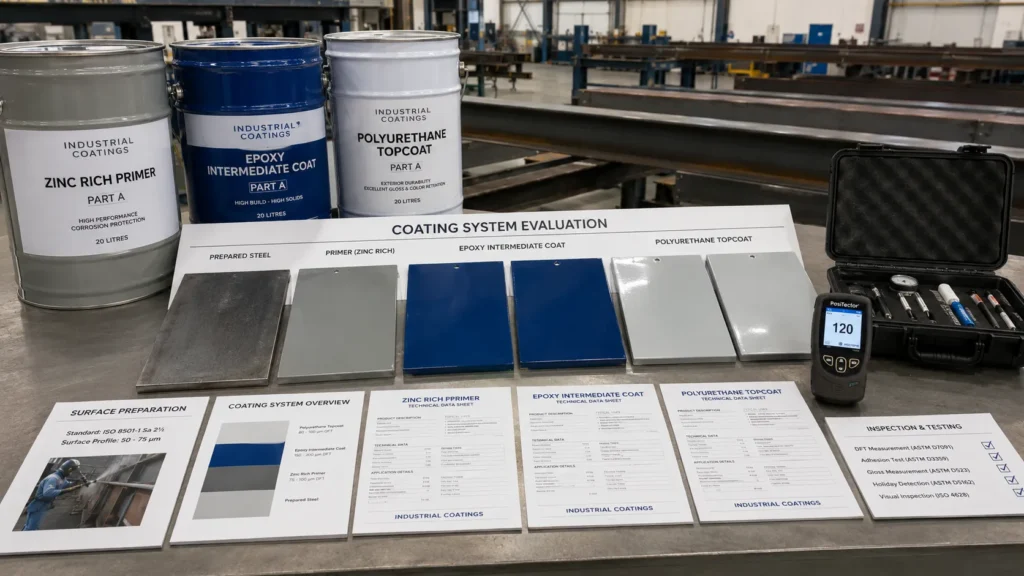
Epoxy primer undercoat should be selected by its coating layer position, surface preparation requirement, DFT target, recoat window, and topcoat compatibility. For EPC contractors, steel fabricators, machinery manufacturers, maintenance teams, procurement managers, and coating distributors, the main question is not only whether the product is “epoxy,” but what role it plays in the full coating […]
Coating Tanks Supplier: Buyer Checklist for Industrial Tank Coating Projects
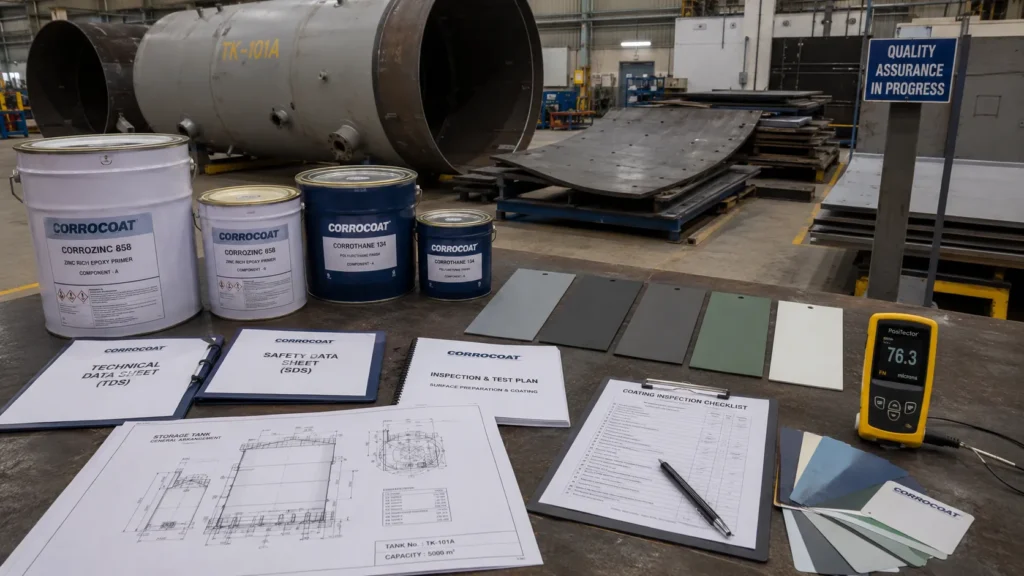
A coating tanks supplier should be evaluated by tank application knowledge, coating system support, technical documents, inspection guidance, and RFQ response quality. For industrial tank buyers, EPC contractors, tank fabricators, maintenance teams, procurement managers, and distributors, the key decision is not only which supplier gives a lower price, but which tank coating supplier can recommend […]
Steel Coatings Products: Product Matrix for Industrial Steel Projects
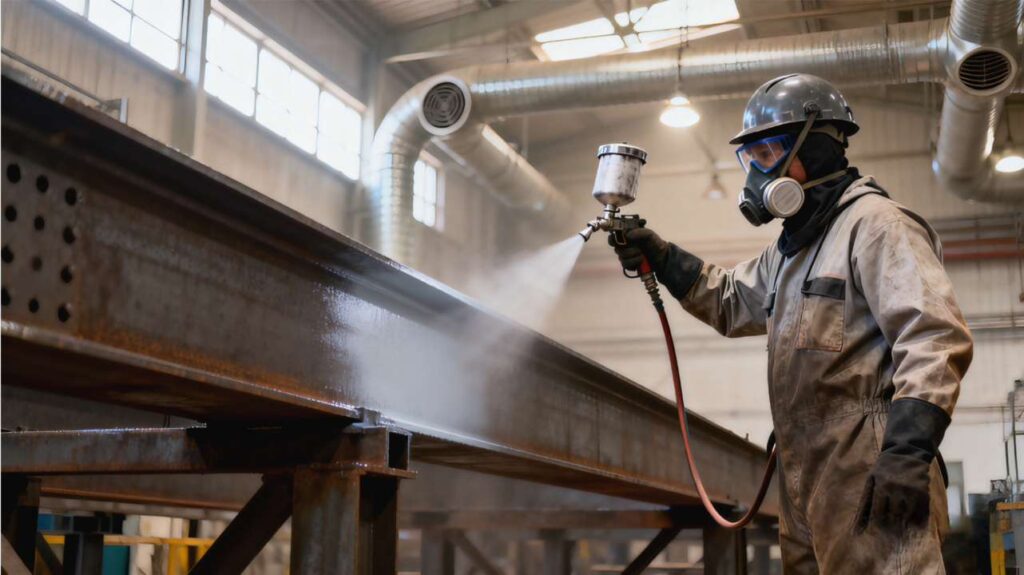
Steel coatings products should be selected by steel asset type, coating layer role, service environment, and required documentation before buyers compare price. For EPC contractors, steel structure fabricators, tank and pipeline contractors, machinery manufacturers, procurement teams, and distributors, the key question is not “which steel coating is cheapest,” but which product category fits the project […]
UV Resistant Polyurethane Coating Manufacturer: Buyer Selection Guide
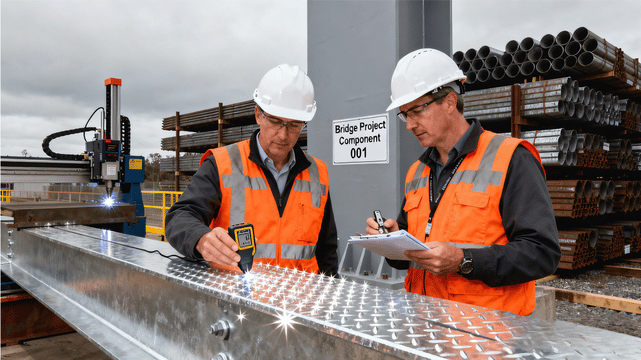
A uv resistant polyurethane coating manufacturer should be evaluated by outdoor weathering performance, coating system compatibility, technical documents, and project supply ability. For procurement managers, EPC contractors, coating distributors, outdoor equipment manufacturers, and steel structure buyers in the Middle East, Southeast Asia, and Central Asia, the key decision is not only which manufacturer gives a […]
Polyurethane Top Coat for Outdoor Steel: UV, Weathering, and System Compatibility
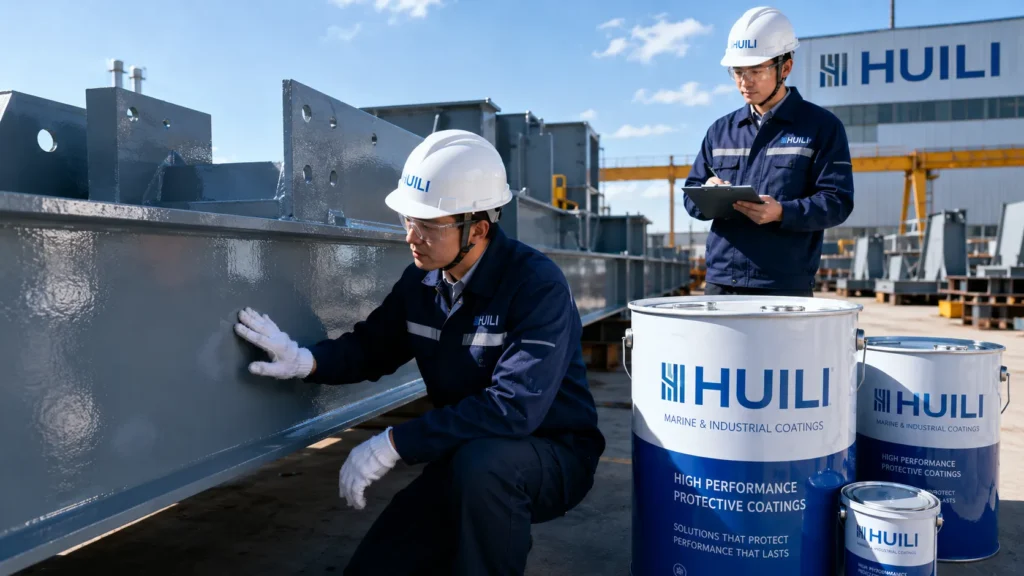
Polyurethane top coat is the final weathering layer in an industrial coating system, used to protect outdoor steel, machinery, equipment, and coastal assets from UV exposure, color fading, gloss loss, and weathering. For EPC contractors, steel fabricators, procurement managers, coating applicators, and distributors, the main decision is not simply “which polyurethane coating to buy,” but […]
Protective & Marine Coatings for Coastal, Port, and Offshore Steel
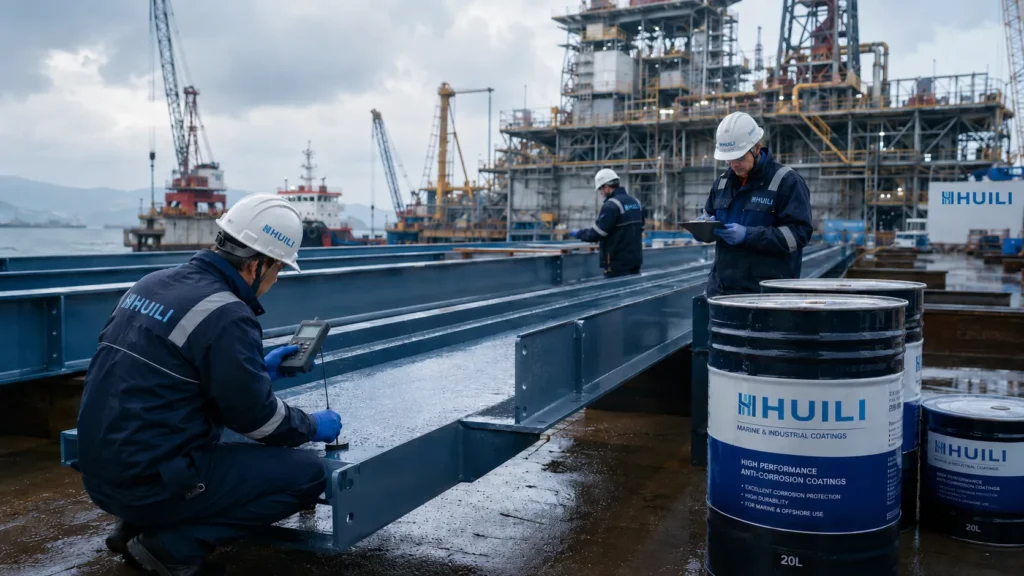
Protective & marine coatings should be selected by marine exposure zone, not by a generic outdoor steel formula. For port owners, offshore project teams, ship repair buyers, EPC contractors, and distributors in coastal markets, the key decision is whether the coating system can handle salt spray, wet-dry cycling, splash-zone abrasion, UV exposure, and limited maintenance […]
Industrial Metal Coatings: Product Matrix and Buyer Selection Guide
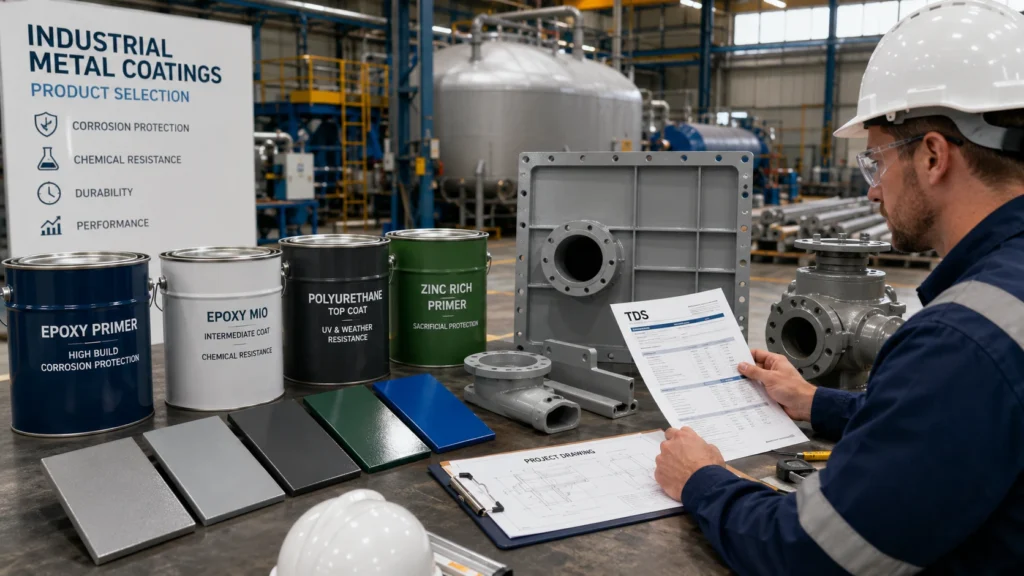
Industrial metal coatings should be selected by product family, application area, and service condition before buyers compare price. For EPC contractors, procurement managers, distributors, machinery manufacturers, and maintenance teams, the key question is not “Which metal coating is cheapest?” but “Which coating system fits the asset, exposure, DFT target, and documentation requirements?” This guide helps […]