Aluminum protective coating should be selected by aluminum surface condition, exposure environment, adhesion risk, primer compatibility, and final service requirement. Although aluminum naturally forms an oxide layer, industrial aluminum assets can still suffer from corrosion, pitting, coating peeling, abrasion, chemical splash, galvanic corrosion, and premature topcoat failure when the coating system is not designed correctly.
For aluminum equipment manufacturers, marine project buyers, EPC contractors, machinery builders, procurement managers, and distributors, the key question is not only “Does aluminum need coating?” but “Which primer, surface preparation method, topcoat, and inspection step are required for this aluminum asset?”
This guide combines aluminum protective coating selection with aluminium epoxy primer surface preparation and wear resistant aluminum coating limits, so buyers can avoid splitting one project into separate coating decisions.
Why Aluminum Still Needs Protective Coating in Industrial Service
Aluminum is often described as corrosion resistant because it forms a natural aluminum oxide layer. However, industrial service conditions can damage or overload that natural protection. Marine salt, alkaline or acidic splash, abrasion, cleaning chemicals, dissimilar metal contact, and outdoor UV exposure can all create performance risks.
Aluminum protective coating is usually required when the asset needs one or more of the following:
- longer outdoor service life;
- color and gloss retention;
- marine or coastal exposure resistance;
- chemical splash protection;
- abrasion or handling resistance;
- insulation from galvanic corrosion;
- improved cleanability;
- compatibility with equipment or structural coating specifications.
The coating system must start with adhesion. If the primer does not bond to aluminum, even a high-performance topcoat will fail early.
The First Risk Is Adhesion, Not Corrosion
For aluminum coating projects, the first failure risk is often adhesion failure. Aluminum is different from carbon steel. It has a fast-forming oxide layer, a smooth surface, and frequent contamination from oils, fingerprints, machining residues, or salt exposure.
A coating for aluminium should not be selected only by product name. The surface must be cleaned, prepared, and tested before the coating system is approved.
Aluminum Oxide Layer
The aluminum oxide layer forms naturally and quickly. This layer can protect the metal in mild conditions, but it can also interfere with coating adhesion if the coating system is not designed for aluminum.
A primer may bond poorly if the oxide layer is unstable, contaminated, too smooth, or not properly prepared. This is one reason aluminium epoxy primer requires more surface preparation control than a normal primer on carbon steel.
Smooth Aluminum Surface
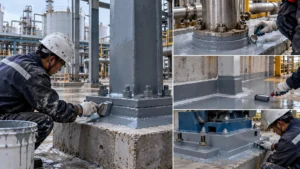
Many aluminum sheets, extrusions, panels, housings, and fabricated parts have a smooth surface with low mechanical profile. A smooth surface gives the primer less mechanical key.
Mechanical abrasion, controlled sanding, or approved surface preparation may be required before applying epoxy primer or another protective coating. Thin aluminum parts need careful preparation because overly aggressive blasting or grinding can deform the part.
Oil, Salt, and Shop Contamination
Aluminum surfaces often carry oil, grease, fingerprints, polishing residue, machining fluid, salt contamination, or storage dust. These contaminants can cause peeling, fish eyes, blistering, or weak intercoat adhesion.
Degreasing and surface cleanliness should be confirmed before primer application. In marine aluminum service, salt removal is especially important before applying epoxy primer or topcoat.
Choose Aluminum Protective Coating by Asset and Exposure
The best aluminum protective coating system depends on the asset type and service environment. Outdoor aluminum panels, marine aluminum structures, machinery housings, equipment frames, and abrasion-exposed parts do not need the same coating system.
| Aluminum Asset / Exposure | Main Risk | Primer / Surface Prep Need | Protective Coating Direction | Buyer Check |
|---|---|---|---|---|
| Outdoor aluminum panels | UV, rain, color fading | Degreasing + abrasion + compatible primer | Epoxy primer + polyurethane topcoat | Color, gloss, weathering, DFT |
| Marine aluminum | Salt, humidity, pitting, peeling | Salt removal + abrasion + adhesion test | Marine-compatible primer + topcoat system | Salt exposure, immersion risk, maintenance |
| Aluminum equipment housing | Oil, handling, cleaning, impact | Solvent cleaning + controlled abrasion | Epoxy primer + PU or acrylic topcoat | Handling time, finish, repair method |
| Aluminum machinery parts | Abrasion, impact, oil | Adhesion test + wear requirement review | Wear resistant aluminum coating where needed | Abrasion type, contact surface, load |
| Chemical splash area | Acids, alkalis, cleaners | Compatibility review + primer test | Chemical-resistant coating system | Chemical type, concentration, temperature |
| Aluminum near steel fasteners | Galvanic corrosion | Isolation and coating continuity | Protective coating + sealing details | Fastener material, moisture, joint design |
| Old coated aluminum | Unknown coating compatibility | Cleaning + sanding + patch test | Recoatable primer only if approved | Old coating condition, adhesion test |
This table should be used as a project routing tool, not a fixed specification. Final selection must follow product TDS, surface condition, application method, and project environment.
Aluminium Epoxy Primer: Where It Fits in the System
Aluminium epoxy primer is used when an aluminum substrate needs a bonded primer layer before an intermediate coat or topcoat. It can help improve adhesion, provide a stable base, and support anti-corrosion or weathering coating systems.
This section covers the original aluminium epoxy primer intent directly.
Can Epoxy Primer Be Applied Directly to Aluminum?
Epoxy primer can be applied to aluminum only when the product is suitable for aluminum and the surface preparation is correct. It should not be assumed that an epoxy primer designed for carbon steel will automatically bond to aluminum.
Before approving epoxy aluminium primer, buyers should check:
- aluminum alloy or substrate type;
- surface cleanliness;
- oxide condition;
- degreasing method;
- abrasion or profile method;
- whether etching or conversion treatment is required;
- primer DFT;
- adhesion test requirement;
- topcoat compatibility.
If the surface is polished, anodized, salt-exposed, oily, or previously coated, technical review is strongly recommended.
When Etching or Conversion Treatment May Be Needed
Some aluminum coating systems may require chemical pretreatment, etching, or conversion treatment before primer. This depends on the substrate, exposure condition, project standard, and primer chemistry.
The key point is not to choose etching automatically. The key point is to confirm whether the selected aluminium epoxy primer is designed for the prepared surface. A conversion layer may improve adhesion in some systems, but the primer must be compatible with that surface.
Adhesion Testing Before Approval
Adhesion testing is especially important for marine aluminum, old coated aluminum, smooth aluminum sheet, or aluminum equipment exposed to cleaning chemicals. A small trial area or panel test can help prevent large-scale peeling after application.
If the coating peels during a test, changing topcoat will not solve the root cause. The surface preparation, primer selection, or pretreatment step must be reviewed first.
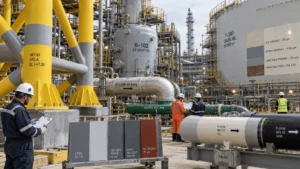
Protective Coatings for Aluminum in Marine and Outdoor Environments
Protective coatings for aluminum are often needed in marine, coastal, and outdoor industrial environments. Aluminum may resist some forms of atmospheric corrosion, but chloride exposure, pitting, crevice corrosion, and coating undercutting can still occur.
Marine Aluminum Above-Water Areas
Marine aluminum above-water structures face salt spray, humidity, UV exposure, and wet-dry cycling. The coating system should prioritize adhesion, salt removal, surface preparation, primer compatibility, and topcoat weathering resistance.
A typical marine aluminum coating system may include a compatible primer and a weather-resistant topcoat. If the aluminum is exposed to immersion, splash zone, or severe abrasion, a more specific system review is needed.
For broader marine exposure decisions, buyers can review marine and offshore coating applications before requesting a final aluminum coating recommendation.
Outdoor Aluminum Equipment and Panels
Outdoor aluminum equipment and panels often require a coating system for appearance, UV resistance, handling, and weathering. Polyurethane topcoat is commonly considered when color retention and gloss retention matter.
In these systems, the primer controls adhesion, while the topcoat controls outdoor finish performance. A weather-resistant topcoat cannot compensate for weak primer adhesion on smooth or contaminated aluminum.
Chemical Splash and Industrial Cleaning
Aluminum in industrial plants may face alkaline cleaners, acidic splash, solvents, oils, or process chemicals. In these environments, the coating system should be checked for chemical compatibility.
A generic aluminum protective coating may not be enough. Buyers should provide chemical type, concentration, temperature, cleaning frequency, and exposure time before asking for price.
Wear Resistant Aluminum Coating: When Abrasion Changes the System
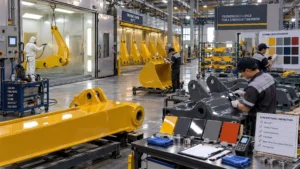
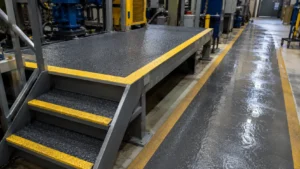
Wear resistant aluminum coating should be considered when the aluminum surface faces abrasion, sliding contact, impact, handling damage, or repeated cleaning. This is the original wear resistant aluminum coating intent, but it is better handled as a section inside this broader aluminum protective coating article.
Wear resistance is not the same as corrosion resistance. A coating can protect against weathering but still wear through quickly under mechanical contact.
When Wear Resistance Matters
Wear resistance may matter for:
- aluminum machinery parts;
- equipment housings;
- loading and handling surfaces;
- access panels;
- frames and guards;
- aluminum parts exposed to repeated cleaning;
- industrial components subject to abrasion or impact.
In these cases, buyers should describe the type of wear. Sliding abrasion, impact, dust erosion, cleaning abrasion, and handling scratches may require different coating properties.
When a Standard Topcoat Is Not Enough
A normal polyurethane or epoxy topcoat may not be enough when the aluminum part faces repeated friction, impact, or abrasive particles. A specialty industrial coating may be needed, depending on the service condition.
For severe abrasion or specialty performance requirements, buyers can review specialty industrial coatings as a product direction, but the final recommendation still depends on aluminum adhesion, primer choice, and service exposure.
Wear Resistance Still Starts with Adhesion
Even the best wear resistant aluminum coating will fail if the primer does not bond to the aluminum substrate. Surface preparation, degreasing, abrasion, and adhesion testing remain the first checkpoints.
For abrasion-exposed aluminum, the RFQ should include both adhesion requirements and wear conditions.
Compare Coatings for Steel and Aluminum Before Using the Same System
Coatings for steel and aluminum should not be selected as if the substrates behave the same way. Carbon steel needs corrosion control against rust. Aluminum often needs adhesion control, oxide-layer preparation, and protection against pitting, galvanic corrosion, chemical attack, or appearance degradation.
| Selection Factor | Carbon Steel | Aluminum |
|---|---|---|
| Main substrate risk | Rust and mill scale | Oxide layer and smooth surface |
| Surface preparation focus | Blast profile, rust removal, salt control | Degreasing, oxide control, abrasion, adhesion test |
| Primer choice | Anti-corrosion primer, epoxy, zinc-rich primer | Aluminum-compatible primer, epoxy primer if approved |
| Common failure | Rust creep, underfilm corrosion | Peeling, edge lifting, blistering, poor adhesion |
| Severe environment issue | C4/C5 corrosion, marine steel | Salt pitting, galvanic corrosion, coating adhesion loss |
This is why industrial coatings for aluminum should be selected by aluminum surface condition first, not copied directly from a steel coating system.
Common Aluminum Coating Failure Modes
Most failures on coated aluminum are linked to surface preparation, primer compatibility, contamination, or exposure mismatch. The coating may fail even when the topcoat itself is high quality.
Peeling from Poor Surface Preparation
Peeling often happens when the surface is too smooth, oily, oxidized, or poorly abraded. The coating film may lift as sheets because it never bonded strongly to the aluminum substrate.
Blistering from Salt or Moisture
Blistering can occur when salt contamination, moisture, or trapped residues remain on the aluminum surface. Marine aluminum and outdoor stored parts are especially at risk.
Edge Lifting on Thin Aluminum Parts
Edges, cut sections, holes, and fastener areas may fail first because coating thickness is lower or the surface is damaged during assembly. Thin aluminum parts also require careful preparation to avoid deformation.
Galvanic Corrosion Near Steel Fasteners
Aluminum connected to steel fasteners or dissimilar metals may suffer galvanic corrosion when moisture is present. Coating continuity, sealing, and joint design can become important.
Topcoat Delamination
Topcoat delamination can happen when the primer is over-aged, contaminated, not fully cured, or outside the recoat window. The primer and topcoat must be approved as one system.
Prepare RFQ Data for Aluminum Protective Coating
A useful RFQ for aluminum protective coating should include aluminum alloy type, asset type, surface condition, exposure environment, preparation method, primer requirement, topcoat plan, DFT target, adhesion test requirement, and quantity.
Before requesting TDS or quotation, prepare:
- Aluminum alloy type, if known
- Asset type: panel, extrusion, equipment housing, marine component, machinery part, frame, or fabricated part
- New aluminum, old coated aluminum, anodized aluminum, polished aluminum, or oxidized aluminum
- Service environment: indoor, outdoor, marine, coastal, chemical splash, abrasion, or equipment handling
- Surface preparation method: degreasing, sanding, mechanical abrasion, etching, conversion treatment, or shop preparation
- Salt exposure or contamination risk
- Primer requirement, such as aluminium epoxy primer or another aluminum-compatible primer
- Topcoat plan, such as polyurethane topcoat, epoxy topcoat, or specialty coating
- Target DFT and coating area
- Adhesion test requirement
- Wear resistance or abrasion condition, if applicable
- Chemical exposure type, concentration, and temperature if applicable
- Application method: spray, brush, roller, shop coating, or field coating
- Quantity, packaging, destination, and required TDS/SDS/system proposal
For primer and epoxy product routing, buyers can review the anti-rust and primer coating series and epoxy anti-corrosion coating series before requesting a project-specific aluminum coating system.
FAQ About Aluminum Protective Coating
Does aluminum need protective coating?
Aluminum may need protective coating when it is exposed to marine salt, chemical splash, abrasion, outdoor UV, galvanic corrosion risk, or appearance requirements. Natural aluminum oxide helps in mild conditions, but it does not replace a coating system in all industrial environments.
Can aluminium epoxy primer be used on aluminum?
Aluminium epoxy primer can be used on aluminum only when the surface is properly cleaned, prepared, and approved for the selected primer. Smooth aluminum, oxide layers, oil residues, salt contamination, and old coatings can all reduce adhesion, so TDS review and adhesion testing may be needed.
Why does coating peel from aluminum?
Coating often peels from aluminum because the surface is too smooth, contaminated, oxidized, poorly abraded, or incompatible with the primer. Peeling is usually an adhesion problem, not only a topcoat problem.
What is the best protective coating for marine aluminum?
The best protective coating for marine aluminum depends on salt exposure, immersion risk, surface preparation, maintenance access, and topcoat requirement. A marine-compatible primer and weather-resistant topcoat may be suitable for above-water areas, but splash or immersion areas need deeper technical review.
When is wear resistant aluminum coating needed?
Wear resistant aluminum coating is needed when aluminum parts face abrasion, sliding contact, impact, repeated cleaning, or handling damage. The coating should be selected by wear type, not only by corrosion resistance. Adhesion to aluminum remains the first requirement.
What should I send before asking for aluminum coating price?
Before asking for aluminum coating price, send the aluminum alloy or substrate type, surface condition, exposure environment, preparation method, primer requirement, topcoat plan, DFT target, adhesion test requirement, wear or chemical exposure details, quantity, and destination.
Request Aluminum Protective Coating System Review
The safest way to select aluminum protective coating is to review the aluminum surface condition, oxide layer, preparation method, exposure environment, primer compatibility, topcoat plan, wear or chemical exposure, and adhesion test requirement together.
For aluminum protective coating TDS, aluminium epoxy primer compatibility review, wear resistant aluminum coating advice, or RFQ support, send your aluminum asset type, surface condition, service environment, surface preparation method, DFT target, topcoat plan, quantity, and required documents through the aluminum protective coating project inquiry form. HUILI can help review whether your project needs epoxy primer, polyurethane topcoat, marine-compatible coating, specialty industrial coating, or a complete aluminum coating system.