Epoxy and polyurethane are the two most common resin families in industrial corrosion protection, but they play different roles. In most long-life steel systems they are complementary: epoxy provides the main corrosion barrier and polyurethane protects the system from weathering and UV exposure.
Quick Guide
- Use epoxy where corrosion barrier and adhesion matter most, typically primer or intermediate layers.
- Use polyurethane where UV resistance, color retention, and exterior durability matter, typically the topcoat.
- For outdoor steel, a common baseline is zinc-rich primer + epoxy build + polyurethane topcoat, then adjust by environment severity.
- In marine or coastal exposure, increase barrier build and tighten surface prep, stripe coating, and QC.
- Compare lifecycle cost, not just paint price, because repairs often cost more than materials.
What is epoxy coating
Epoxy coatings are usually two-component systems that cure by chemical reaction, producing a dense film with strong adhesion and strong chemical resistance. In corrosion systems, epoxy is commonly used as the anti-corrosion “workhorse” layer because it can build film thickness efficiently and resists water and many chemicals better than many decorative coatings.
Where epoxy wins
- High adhesion to prepared steel
- Strong barrier protection when applied at the right film build
- Excellent use as primer and intermediate coats in heavy-duty systems
Where epoxy is limited
- Poor UV durability compared with polyurethane, so exterior epoxies can chalk and fade if left un-topcoated
- Aesthetics and gloss retention are not its strength for exposed architectural steel
What is polyurethane coating
Polyurethane coatings are widely used where exterior durability, UV resistance, and appearance matter. In industrial steel systems, polyurethane is commonly used as a topcoat to protect underlying epoxy layers from sunlight, weathering, and loss of appearance.
Where polyurethane wins
- UV resistance and gloss retention for outdoor steel
- Good abrasion resistance for many service conditions
- Strong appearance retention for visible steelwork
Where polyurethane is limited
- It is usually not the best choice as the primary anti-corrosion barrier layer on steel in severe environments
- Chemical resistance may not match high-build epoxies for certain exposures, so it often works best as part of a system
Epoxy vs polyurethane coating: technical comparison
Use this table for engineering-level selection without marketing noise.
| Factor | Epoxy coating | Polyurethane coating |
|---|---|---|
| Primary role in systems | Corrosion barrier, adhesion foundation | Weathering shield and appearance durability |
| UV resistance | Lower, tends to chalk if exposed | Higher, designed for exterior exposure |
| Chemical resistance | Typically strong | Often good, but system-dependent |
| Flexibility and toughness | Good in many industrial grades | Often very good, especially for impact and abrasion |
| Best layer position | Primer or intermediate | Topcoat |
| Common failure if misused | Exterior chalking, early weathering | Underfilm corrosion if used as “anti-corrosion primer” in harsh exposure |
Practical decision rule: if the steel is outdoors, assume you need a UV-stable topcoat and plan polyurethane or an equivalent weatherable topcoat family.
Why epoxy is typically used as primer or intermediate coat
Epoxy is usually selected for the lower layers because it anchors to steel well and builds a dense barrier film. It also provides a stable base for subsequent coats, including polyurethane topcoats, when recoat windows and surface cleanliness are controlled.
If you want a steel-focused engineering page that reinforces layer roles and selection logic, use: Epoxy vs polyurethane coating for steel structures.
Why polyurethane is commonly used as topcoat
Polyurethane is commonly used on top because it resists UV degradation better and maintains color and gloss longer in exterior exposure. This is especially important in high-UV regions and in projects where visual appearance matters for client acceptance.
In coastal and marine exposure, polyurethane’s weathering role becomes even more valuable because salt, sun, and wet-dry cycling accelerate topcoat breakdown. For marine context and zone-based thinking, link your team here: Marine & offshore coating applications.
Typical epoxy + PU coating system for steel structures
Below is a practical baseline system used widely in industrial steel, with DFT ranges that you can adapt by exposure severity and design life.
| Layer | Typical material | What it does | Typical DFT range |
|---|---|---|---|
| Primer | Zinc-rich primer or epoxy primer | Adhesion base, corrosion control at defects, first barrier | 50–90 µm |
| Intermediate | High-build epoxy | Main corrosion barrier, builds thickness efficiently | 120–200 µm |
| Topcoat | Polyurethane | UV resistance, appearance, weathering protection | 40–80 µm |
| Total | System total | Durability target driven by environment | 200–350 µm |
What buyers forget: the same “epoxy + PU” label can still fail early if edges are not stripe-coated, if surface salts remain, or if recoat windows are not respected.
When to use epoxy-only systems
Epoxy-only systems can be appropriate when UV exposure is minimal or irrelevant, and chemical resistance or barrier performance is the main priority.
Common epoxy-only scenarios
- Indoor steel structures with low UV exposure
- Equipment or areas protected from sunlight
- Certain tank internal or containment-related coatings where topcoat aesthetics are not needed
If your scope includes tank externals, internals, or pipelines and you want a system selection reference to route RFQs, use: Storage tank and pipeline coating systems.
When to use polyurethane without epoxy
Polyurethane-only systems are less common for heavy-duty anti-corrosion on steel because you usually want epoxy’s barrier strength below. Polyurethane-only can show up in low-corrosion decorative work or in maintenance situations with limited prep, but in industrial corrosion control it is not the typical first choice.
Decision rule: if the environment is coastal, industrial, or has condensation risk, treat PU-only as a high-risk design unless the specification and service history justify it.
Epoxy vs polyurethane in marine environments
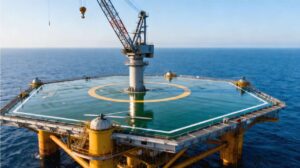
In marine exposure, epoxy typically carries the main corrosion load, while polyurethane helps preserve the system against UV and weathering. Many failures happen when teams under-build epoxy barrier thickness, skip stripe coats, or accept poor surface prep, then try to “fix durability” by choosing a premium topcoat.
Marine selection rules that prevent early failure
- Increase barrier build rather than only upgrading the topcoat
- Treat edges, welds, and bolt packs as high-risk geometry and specify stripe coats
- Tighten surface prep acceptance and salt control, especially near coasts and during humid seasons
Common mistakes when selecting between epoxy and PU
These are the mistakes that drive most callbacks and disputes:
- Using polyurethane as the corrosion primer in aggressive exposure and seeing early underfilm corrosion
- Using epoxy as the final exterior coat and accepting chalking and appearance loss
- Underestimating UV exposure and heat in desert climates
- Under-building total film thickness and relying on “brand strength” instead of system design
- Ignoring recoat windows and surface cleanliness, then blaming product compatibility
Cost considerations: epoxy vs polyurethane
Material price is not the real comparison. Total cost is driven by:
- Surface preparation class and access
- Required total film build and number of coats
- Inspection intensity and rework probability
- Maintenance access cost and shutdown risk
Lifecycle rule for owners: the system that reduces repair frequency often wins even if the topcoat is more expensive.
How to choose the right system for your project
Step 1: Define the environment and exposure
Classify whether steel is indoor, outdoor, industrial, coastal, or marine.
Step 2: Decide which layer must do the hard work
If corrosion is the main risk, prioritize epoxy barrier build and primer selection. If UV and appearance are the main risks, ensure a weatherable topcoat such as polyurethane is specified.
Step 3: Select the complete system and acceptance criteria
Define primer, intermediate, and topcoat with DFT ranges, stripe coat requirements, recoat windows, and inspection hold points.
Step 4: Validate execution capability
If surface prep and QC discipline are limited, adjust the system to reduce execution sensitivity and define realistic inspection and repair rules.
RFQ checklist
Send this to get a fast system recommendation and a TDS pack:
- Project location and environment: industrial, coastal, marine, desert UV, high humidity
- Asset type and access: steel structure, pipe rack, equipment, marine steel
- Surface preparation capability: blasting standard, achievable profile, salt testing method
- Coating scope: newbuild or maintenance, shop or field application
- Durability expectation and maintenance access constraints
- Preferred system type if any: zinc primer, epoxy build, PU topcoat
- DFT ranges and stripe coat requirements
- QC documentation needs: hold points, DFT logs, adhesion checks if required
- Topcoat appearance needs: color, gloss, weathering expectation
Technical Note / Disclaimer
Coating system selection and DFT ranges vary with environment severity, surface preparation quality, geometry, and application constraints. Confirm the final system build-up and acceptance criteria with the applicable TDS and your project specification before approval.
CTA
Send your environment description, asset type, surface preparation capability, and durability target. Our manufacturer technical team will propose an epoxy and polyurethane coating system, recommend DFT ranges, and provide TDS documentation for your review. Contact us here: Project inquiry & technical support.