Fire-resistant coating is specified to keep structural steel stable for a required fire rating time (commonly 60/90/120 minutes), and the correct selection depends on fire standard + steel geometry + exposure conditions + system compatibility. This page helps EPC contractors and engineers request the right documents (TDS/SDS) and get an accurate quote without RFQ delays.
HUILI is positioned as an industrial coatings manufacturer, and buyers typically expect not only product supply, but also system recommendations and technical guidance for steel structures.
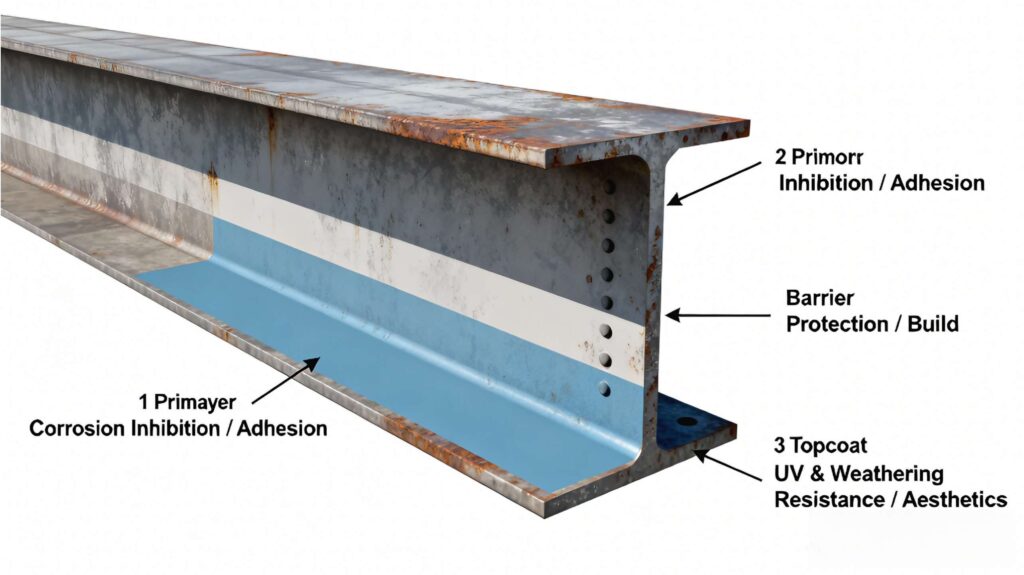
What’s included in a fireproof coating “system”
Fireproof coating should be treated as a tested system, not a single paint layer. Many systems include:
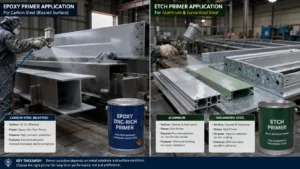
Anti-corrosion primer (adhesion + corrosion protection)
Fireproof layer (often intumescent)
Optional topcoat/sealer (durability in humid/exterior exposure)
System-level compatibility matters because guidance emphasizes using compatible and approved primers/topcoats with intumescent systems to ensure performance and durability.
Fire rating time and what drives thickness (DFT)
A common misconception is that there is “one thickness for 120 minutes.” In practice, required thickness depends on the steel member’s geometry (often expressed as section factor / Hp/A) and the required fire rating. Thickness is a core parameter in passive fire protection, and should be confirmed by project standard and product/system documentation (TDS/approved tables).
Practical guidance for RFQs:
Provide 60/90/120 min requirement.
Provide steel schedule (beam/column sizes).
Provide Hp/A if available (or drawings).
State interior vs exterior exposure (affects topcoat/sealer choice).
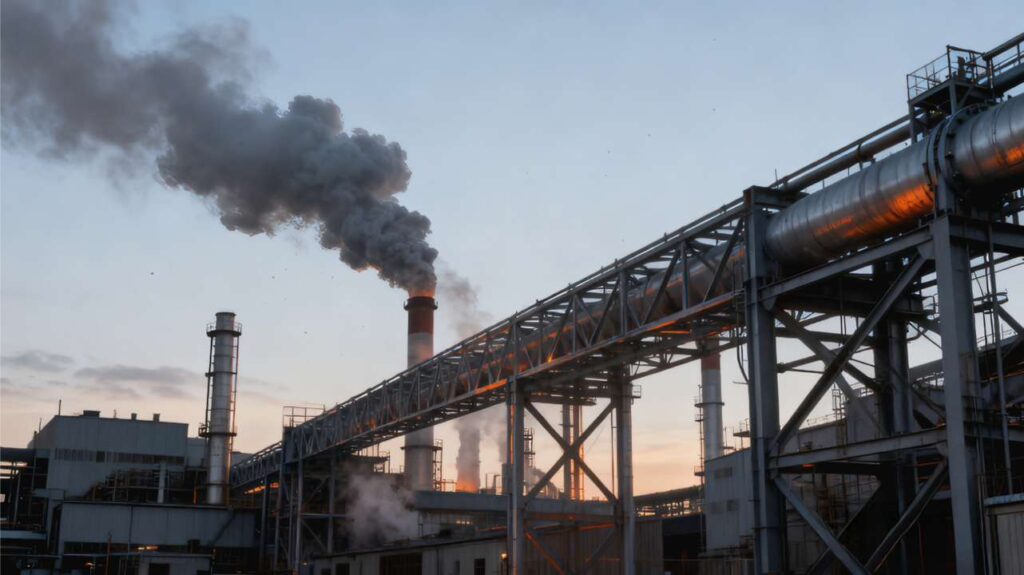
Standards: UL 1709 vs BS 476 (which one to specify)
Choosing the correct standard is essential for compliance and correct system design. UL provides guidance on testing and certification for steelwork fire protection, and this often appears in international procurement requirements.
UL 1709 (hydrocarbon rapid-rise)
Typical in oil & gas / petrochemical / refinery / some offshore contexts where hydrocarbon rapid-rise exposure is relevant.
BS 476-20/21 (building fire resistance methods)
Used in projects specifying BS methods for fire resistance of building elements (cellulosic building fire exposure context).
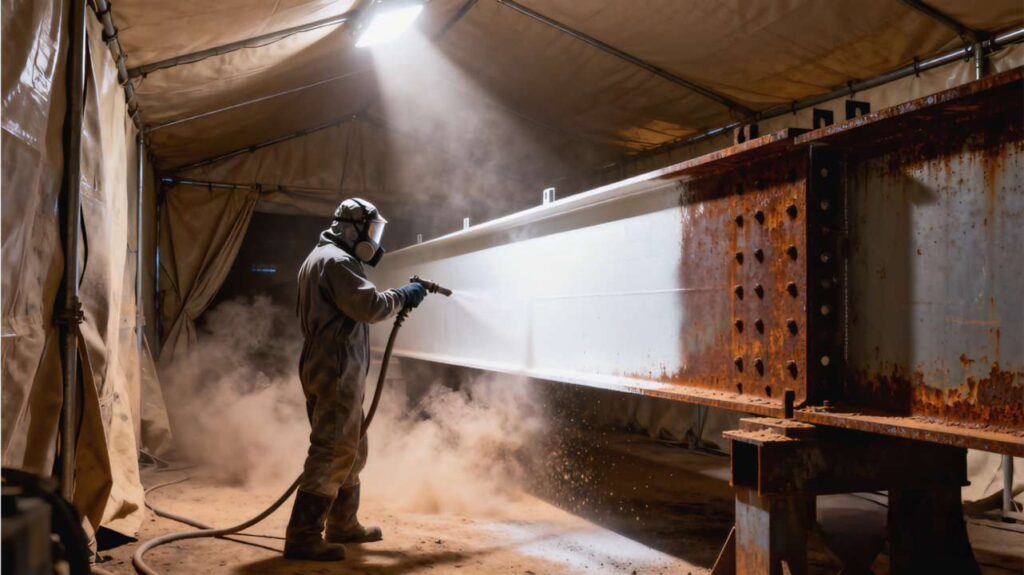
Primer compatibility and topcoat selection (what buyers forget)
Compatibility is one of the biggest on-site risk factors. Guidance highlights the importance of using compatible/approved primers and topcoats in intumescent systems, and thickness of topcoats should follow the approved system to avoid durability or performance issues.
When a topcoat/sealer is usually needed
Exterior or semi-exposed steel
High humidity / condensation (common in Southeast Asia)
Coastal salt environments (many Middle East coastal industrial zones)
Areas exposed to cleaning, abrasion, or washdowns
Go to Anti-rust primer coatings series >>>
Application & inspection checklist (add this to improve trust)
This section increases conversion because engineers want to see that the manufacturer understands execution, not only product names. Google also encourages content that helps users complete tasks (“people-first”).
Pre-application
Confirm steel condition (new vs maintenance repaint).
Confirm surface preparation plan and contamination control.
Confirm primer cure status and recoat interval requirements.
During application
Apply in controlled passes to avoid sagging/mud-cracking at higher builds (project-dependent).
Measure WFT/DFT and keep inspection records.
Stripe coat edges/welds when needed for consistent protection.
After application
Confirm final DFT meets project requirement per approved system documentation.
Apply topcoat/sealer if required by exposure conditions.
Common failures & troubleshooting (reduce rework and disputes)
Delamination from primer: often linked to incompatible primer, contamination, or exceeded recoat window; confirm system compatibility and condition aged primers before overcoating.
Cracking / mud-cracking: often linked to excessive build per coat or unsuitable curing; use controlled passes and follow product guidance.
Early exterior degradation: often caused by missing/incompatible topcoat; specify an approved sealer/topcoat for humid/exterior exposure.
RFQ Checklist (copy-paste to get a fast quote)
Use this template in your inquiry form/email to receive a faster, accurate proposal:
Fire requirement
Required standard: UL 1709 or BS 476-20/21
Target rating time: 60 / 90 / 120 minutes
Fire scenario notes: hydrocarbon rapid-rise or building (cellulosic)
Steel data
Steel schedule (beam/column sizes and quantities)
Hp/A section factor if available (or drawings)
Exposure & durability
Interior dry / semi-exposed / exterior
Humidity, UV, coastal salt
Is a topcoat required? (yes/no/unsure)
Deliverables needed
Quote + consumption estimate
TDS + SDS
System recommendation (primer + fireproof layer + topcoat)
Application/inspection guidance
Contact Us
We would love to speak with you.
Feel free to reach out using the below details.