Steel is one of the most widely used materials in construction, infrastructure, manufacturing, and energy industries, but its bare surface is highly vulnerable to corrosion under moisture, oxygen, chemicals, and harsh environments.
Without proper protection, steel corrosion can weaken structures, shorten service life, and drive up maintenance costs, so steel coating systems are now a core part of industrial asset design rather than an afterthought.
Quick Guide:
- Treat steel coating as a system, not a single product line on the RFQ.
- Match coating type and material to environment, steel function, and expected maintenance interval.
- Use multi-layer systems (primer, build, topcoat) when you need longer service life or harsher exposure resistance.
- Check surface preparation, DFT range, and inspection plan before finalizing cost or schedule.
- Include environment, durability, steel type, and preparation conditions in your RFQ so you get a realistic system proposal.
What is steel coating?
Steel coating refers to applying protective materials onto steel surfaces to prevent corrosion, environmental damage, and wear.
The coating forms a barrier between the steel substrate and external factors such as moisture, oxygen, salts, chemicals, and industrial pollutants, which can otherwise accelerate rust formation.
In practical industrial environments, well-designed coating systems can extend steel structure service life by a decade or more, depending on environment and maintenance.
That is why steel coating technologies are critical in construction, oil and gas, marine engineering, transportation infrastructure, and manufacturing equipment.
For more background on how coatings fit into corrosion control strategies, see HUILI’s broader guide on steel protection from corrosion.
Why steel requires protective coatings
Corrosion mechanism of steel
Steel corrosion occurs when iron in the steel reacts with oxygen and water to form iron oxides, and this electrochemical process accelerates in the presence of salt, acids, high humidity, or industrial chemicals.
Once corrosion starts, underfilm rust can spread and undermine adhesion if the surface is not protected by an effective barrier or sacrificial system.
Impact of corrosion on steel structures
Corrosion can cause:
- Loss of structural strength
- Reduced load capacity
- Expensive repair or replacement
- Increased safety risks and unplanned shutdowns
Applying an appropriate steel coating system is one of the most practical ways to control these risks within predictable maintenance intervals.
Major steel coating types used in industry
There are several steel coating types commonly used for industrial corrosion protection, each with different strengths.
Epoxy coatings for steel
Epoxy coatings are among the most widely used protective coatings for steel because they offer strong adhesion, barrier protection, and chemical resistance.
They are commonly used on industrial steel structures, pipelines, storage tanks, machinery, and equipment, often as primers or intermediate coats in multi-layer systems.
Polyurethane coatings
Polyurethane coatings are typically used as topcoats in steel coating systems, especially where UV resistance and weather durability matter.
They provide excellent weather resistance, UV stability, mechanical durability, and colour retention, making them common choices for bridges, exposed steel buildings, infrastructure, and offshore structures.
Zinc-rich coatings
Zinc-rich coatings protect steel through sacrificial (cathodic) protection, where zinc pigments corrode preferentially to help protect exposed steel.
These coatings are frequently used as primers on bridges, offshore platforms, heavy industrial steel, and other critical infrastructure where long-term corrosion resistance is required.
Fluorocarbon coatings
Fluorocarbon coatings provide exceptional durability and long-term weathering performance, with superior UV resistance and colour retention.
They are often used on landmark buildings, coastal steel structures, and architectural steel surfaces where long-term aesthetics and corrosion protection are both important.
Other coating routes
Beyond paint-type coatings, some steel products use galvanizing (zinc coating), coil coating, or specialized surface treatments, which can then be combined with paint systems for duplex protection.
In many industrial projects, painted steel coating systems are selected because they are easier to maintain and repair on complex structures.
Coating materials for steel protection
Different coating materials are selected depending on environment, mechanical demands, and maintenance strategy.
Common coating material families include:
- Epoxy resins for adhesion and barrier protection
- Polyurethane polymers for UV and weather durability
- Zinc-based materials for sacrificial anti-corrosion primers
- Fluoropolymer coatings for premium UV and colour retention
Each material delivers different functions such as barrier protection, chemical resistance, or sacrificial corrosion protection, and they are often combined in a system.
Selecting the right combination is critical to match service conditions and expected life; choosing by price alone often leads to premature failure or overdesign.
Steel coating system design
In most industrial applications, steel protection relies on multi-layer coating systems rather than a single layer.
HUILI’s anti-corrosion system guides emphasize that a system is a designed stack—primer, intermediate coat, and topcoat—not just a product chosen from a catalogue.
Typical industrial steel coating system
A common system logic is:
- Zinc-rich or anti-rust primer
- Epoxy intermediate coating
- Polyurethane topcoat
In this structure:
- The primer provides initial corrosion protection and adhesion to steel.
- The intermediate coat builds barrier thickness and helps control permeability.
- The topcoat improves weather resistance, UV durability, and appearance.
HUILI’s steel structure coating system guide discusses this logic in more detail for industrial steel projects.
Coating thickness and durability
Coating thickness (DFT) plays a key role in long-term corrosion protection.
Factors affecting total DFT include corrosion environment, expected service life, and applicable standards or owner specifications.
Higher corrosion environments and longer durability targets usually demand thicker and more robust systems, but simply adding thickness cannot compensate for weak preparation or poor application control.
This is why environment classification and durability range (for example using ISO 12944 logic) are often used alongside system design.
Industrial applications of steel coating
Steel coatings are used across many sectors and asset types.
Structural steel
Industrial buildings, bridges, and other infrastructure rely on coating systems to prevent atmospheric corrosion and to keep structural capacity within safe limits over time.
Oil and gas industry
Pipelines, offshore structures, and processing facilities require durable coatings to resist salt, chemicals, temperature changes, and mechanical wear.
System design often combines surface preparation, coating selection, and inspection planning around risk and maintenance access.
Marine and coastal structures
Steel exposed to saltwater or coastal atmospheres needs advanced corrosion-resistant systems, often with stronger primers, higher DFT, and tighter inspection.
These projects commonly use zinc-rich and epoxy systems plus UV-stable topcoats for long-term performance.
Manufacturing and industrial equipment
Machinery, equipment, and fabricated steel components need coatings to resist wear, chemicals, and environmental exposure while remaining maintainable in service.
Some equipment uses single-component systems; others rely on full multi-coat builds similar to structural steel.
For a more application-focused overview, see HUILI’s industrial anti-corrosion solutions for steel structures.
Common failures and what to watch for
Common coating failures on steel include blistering, peeling, underfilm corrosion, and early chalking or colour loss.
Most of these are linked more to surface preparation, application conditions, or mismatched systems than to a lack of coating technology options.
Frequent field mistakes include:
- Ignoring salt contamination before coating
- Underestimating edge preparation and stripe-coat needs
- Over-relying on single-coat solutions in severe environments
- Using incompatible products in the same system
- Skipping DFT checks on edges and complex geometry
HUILI’s anti-corrosion system articles consistently highlight that a good system can fail early if basic QC steps are missing.
Quality and inspection checklist
A practical inspection checklist for steel coating work should cover at least:
- Surface preparation: cleanliness, roughness, and removal of rust, mill scale, and contaminants.
- Environmental conditions: temperature, humidity, and dew point during application and curing.
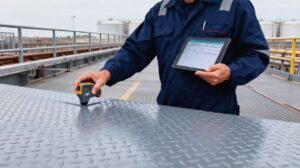
- DFT control: readings across plates, edges, welds, and repairs, not only on easy areas.
- Recoat intervals: respect minimum and maximum times and surface cleanliness between coats.
- Visible defects: runs, sags, pinholes, misses around bolts and complex details.
Adding these checks into your inspection plan helps turn a theoretical steel coating system into actual service life.
RFQ checklist for steel coating systems
To get a useful recommendation instead of a generic “one-size-fits-all” answer, your RFQ should include:
- Project environment: indoor, outdoor, coastal, marine, industrial, or mixed.
- Target design life: years to first major maintenance or preferred durability range.
- Steel type and condition: new fabrication, shop-primed, or maintenance repaint.
- Surface preparation capability: blast cleaning vs power-tool cleaning, shop vs field.
- Structural details: complex connections, weld density, access constraints.
- Any special requirements: colour retention, chemical splash, fire-protection interface, or water-based system preference.
HUILI’s system selection guides show how clear RFQs save time and avoid misalignment on cost, schedule, and coating responsibility.
Technical Note
Final coating system selection for steel assets should be based on environment classification, durability expectations, surface preparation quality, application constraints, and applicable standards such as ISO 12944.
Always confirm system details against the latest product data sheets, project specifications, and relevant standards or client requirements before purchase or application.
CTA
Send your project environment, steel structure drawings, surface preparation conditions, and target service life to our technical team so we can recommend a suitable steel coating system, share TDS, and provide a practical inspection checklist for your project.