Epoxy vs urethane primer is mainly a primer-layer decision, not a general coating-material debate. For industrial steel projects, epoxy primer is usually selected when adhesion, corrosion resistance, and barrier protection are the main goals, while urethane primer is considered in more specific repair, flexibility, or urethane-system situations.
This guide is for EPC contractors, steel fabricators, maintenance engineers, procurement teams, and distributors who need to compare primer options before selecting a coating system. It helps you decide which primer works better for steel, when polyurethane topcoat can be used over epoxy primer, and what compatibility data should be checked before asking for TDS or RFQ support.
Quick Decision: Epoxy Primer Usually Wins for Corrosion, Urethane Primer Wins for Specific Recoat Needs
For industrial steel, epoxy primer is usually the stronger starting point for corrosion resistance, while urethane primer may be useful where flexibility, fast maintenance recoating, or an existing urethane system controls the repair decision. The practical answer is not “epoxy is always better” or “urethane is always better,” but which primer role the system needs.
If the project involves blasted carbon steel, C3–C5 atmospheric exposure, chemical splash risk, or long-term anti-corrosion service, epoxy primer is normally the safer base layer. If the project involves an existing urethane system, flexible equipment parts, or a specified urethane finish system, urethane primer may be reviewed for compatibility.
A common industrial solution is not urethane primer alone. Many steel structures use epoxy primer for adhesion and corrosion control, then polyurethane topcoat for UV resistance, color stability, and weathering performance.
Epoxy Primer vs Urethane Primer Decision Matrix
An epoxy primer vs urethane primer decision matrix should compare the role of each primer by adhesion, corrosion resistance, chemical resistance, flexibility, and topcoat compatibility. This is more useful than asking which product is “better” without naming the substrate, exposure, and next coating layer.
| Decision Factor | Epoxy Primer | Urethane Primer | Better Choice for Industrial Steel |
|---|---|---|---|
| Steel adhesion | Strong on abrasive-blasted or properly prepared steel | Depends strongly on formulation and surface | Epoxy primer |
| Corrosion resistance | Strong barrier protection in many industrial systems | Usually not the first choice for severe corrosion base layers | Epoxy primer |
| Chemical resistance | Good resistance to moisture, salts, and many industrial contaminants | Varies by urethane chemistry and exposure | Epoxy primer for the primer layer |
| Flexibility | Moderate; can be more rigid after cure | Often better flexibility depending on formulation | Urethane primer in selected flexible systems |
| UV/weathering role | Poor as final exposed layer because epoxy can chalk | Better when used in urethane finish systems | Polyurethane/urethane finish, not primer alone |
| Topcoat compatibility | Commonly used under polyurethane topcoat if recoated correctly | Works within specified urethane systems | Depends on full system and TDS |
| Maintenance recoating | Strong option if surface prep and recoat window are controlled | Useful when existing urethane coating controls compatibility | Depends on old coating and adhesion test |
| Severe C4/C5 steel | Often used as primer or intermediate layer | Not usually selected alone as corrosion base | Epoxy primer + polyurethane topcoat |
| Inspection focus | DFT, adhesion, recoat interval, cure, surface cleanliness | Adhesion, flexibility, compatibility, overcoat window | Project-specific review |
For protective coating systems on steel, standards such as ISO 12944 are used to guide corrosion protection design by environment and durability class, while adhesion testing may be checked using methods such as ASTM D4541 for pull-off strength of coatings. ISO describes itself as an international organization that develops standards through global expert agreement, and ASTM International publishes standards and test methods used across materials and coatings.
Use Primer Role, Not Product Name, to Choose the System
Primer selection should start from the layer’s role—adhesion, corrosion resistance, or system compatibility—not from whether the product name says epoxy or urethane. In industrial coating work, the primer is only one layer, and the next coat often decides whether the system succeeds or fails.
When the Primer Must Provide Corrosion Resistance
When the primer must provide corrosion resistance on steel, epoxy primer is usually preferred because it bonds well to prepared steel and forms a dense barrier layer. This is why many anti-corrosion primers for industrial steel are epoxy-based or zinc-rich epoxy-based systems.
For C3–C5 steel structures, pipe racks, tank exteriors, and fabricated equipment, primer selection should consider surface preparation, DFT, recoat interval, and topcoat compatibility. A primer that is easy to apply but weak against corrosion can increase underfilm corrosion, rust creep, and premature maintenance cost.
When the Primer Must Support a Urethane Finish
When the primer must support a urethane or polyurethane finish, epoxy primer can still be the correct base layer if the recoat window and compatibility are confirmed. This is a common system logic: epoxy primer supports adhesion and barrier protection, while polyurethane topcoat supports UV resistance and appearance.
In practice, epoxy primer plus polyurethane topcoat is often more useful than trying to make one primer perform every function. The primer should protect the steel; the topcoat should handle sunlight, gloss retention, and weathering.
When Flexibility or Existing Coating Compatibility Matters
When flexibility or existing coating compatibility matters, urethane primer may be considered because some urethane systems provide better flexibility or compatibility with an existing urethane coating. This can matter for machinery, flexible components, transport equipment, or maintenance recoating where the old coating cannot be fully removed.
However, flexibility does not automatically mean better corrosion protection. If the steel is corroded, exposed to chemicals, or used in severe outdoor service, compatibility testing and system review are more important than choosing urethane by name.
Do Not Confuse Urethane Primer with Polyurethane Topcoat
Urethane primer and polyurethane topcoat are different system layers, and many industrial systems use epoxy primer under a polyurethane topcoat instead of choosing urethane primer as the corrosion base. This distinction is one of the biggest reasons buyers get confused when comparing urethane vs epoxy primer.
Why Epoxy Primer + Polyurethane Topcoat Is Common
Epoxy primer plus polyurethane topcoat is common because each layer has a different job: epoxy handles adhesion and corrosion barrier performance, while polyurethane handles UV resistance and weathering. For outdoor steel, this system logic is usually stronger than leaving epoxy exposed as the final coat.
For steel structures exposed to sunlight, many projects use an epoxy primer and polyurethane topcoat system to balance corrosion resistance and weathering performance. The epoxy layer protects the substrate, while the polyurethane layer helps maintain color and appearance.
Why Epoxy Alone Is Not a Weathering Finish
Epoxy alone is not a preferred weathering finish because epoxy can chalk, fade, and lose gloss under UV exposure. Chalking does not always mean immediate corrosion failure, but it can reduce appearance quality and affect long-term film stability if the system is under-designed.
For outdoor projects, epoxy primer should normally be treated as a base layer or intermediate layer, not the final exposed finish. A polyurethane topcoat is usually specified where color retention, gloss retention, and sunlight exposure matter.
Why Urethane Alone Is Not Always a Corrosion Primer
Urethane alone is not always a corrosion primer because weathering performance and corrosion-barrier performance are different requirements. A urethane or polyurethane finish may perform well against UV exposure, but that does not mean a urethane primer is automatically the best first layer on steel.
For industrial buyers, the safer question is: “Which primer gives the required adhesion and corrosion resistance, and which topcoat gives the required weathering resistance?” This avoids confusing topcoat advantages with primer requirements.
Choose by Substrate, Exposure, and Maintenance Condition
The better primer depends on whether the project involves new blasted steel, old coating, galvanized metal, equipment repair, or outdoor weathering exposure. Primer chemistry should be matched to the real substrate and service condition, not selected from a generic product name.
New Carbon Steel or Blast-Cleaned Steel
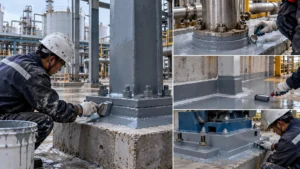
New carbon steel or blast-cleaned steel usually favors epoxy primer, zinc-rich epoxy primer, or an epoxy-based anti-corrosion primer system. The main reason is that prepared steel needs strong primer adhesion, profile coverage, corrosion barrier performance, and compatibility with the next coat.
For severe industrial steel, a urethane primer is not usually the default starting point unless the specification or coating manufacturer defines a urethane primer system for that service. If the project requires C4/C5 durability or chemical exposure resistance, epoxy-based systems are normally reviewed first.
Existing Coating or Maintenance Recoating
Existing coating or maintenance recoating requires compatibility review before either epoxy primer or urethane primer is selected. The old coating type, adhesion, chalking level, contamination, sanding profile, and recoat window can control the primer decision more than the new primer name.
If the old coating is an epoxy system, urethane primer may not bond reliably without surface preparation and compatibility testing. If the old coating is a urethane system, epoxy primer may still work in some repairs, but adhesion and solvent sensitivity should be checked. A small test area or adhesion test is often safer than assuming compatibility.
Equipment, Machinery, and Flexible Components
Equipment, machinery, and flexible components may sometimes justify urethane primer if impact, movement, flexibility, or finish compatibility is more important than severe corrosion resistance. This can apply to selected machinery housings, transport equipment, or maintenance systems.
For heavy industrial equipment exposed to humidity, chemical splash, or outdoor steel service, epoxy primer plus a compatible polyurethane topcoat is often still the more balanced option. The final decision should check DFT, film flexibility, impact exposure, and topcoat requirements together.
Check Compatibility Before Mixing Epoxy and Urethane Layers
Epoxy and urethane layers can often be used together, but only when the recoat interval, cure condition, surface cleanliness, and manufacturer’s compatibility data are confirmed. Generic chemistry compatibility is not enough for industrial specification.
Recoat Window Controls Intercoat Adhesion
Recoat window controls intercoat adhesion because epoxy primer must be overcoated within the time range allowed by the TDS. If the polyurethane topcoat is applied too early, solvent or incomplete cure can cause defects; if it is applied too late, the primer surface may need abrasion before overcoating.
This is especially important when primed steel is fabricated in a workshop and topcoated later at site. Dust, transport damage, condensation, and exceeded recoat windows can all reduce adhesion between epoxy and urethane layers.
Surface Contamination Can Break the System
Surface contamination can break the system even when epoxy primer and polyurethane topcoat are chemically compatible. Dust, salts, oil, amine blush, condensation, and chalking can reduce intercoat adhesion and cause peeling or blistering.
For maintenance recoating, contamination is often more important than the primer label. If the old coating is chalked, greasy, salt-contaminated, or poorly bonded, neither epoxy primer nor urethane primer will deliver reliable performance without cleaning and surface preparation.
TDS Compatibility Is More Important Than Generic Chemistry
TDS compatibility is more important than generic chemistry because coating systems depend on specific resin, hardener, solvent, DFT, cure condition, and recoat data. Two products may both be called epoxy or urethane but have different overcoating limits.
Before specifying polyurethane top coat over epoxy, buyers should confirm the primer cure time, maximum recoat interval, required surface roughening, compatible topcoat family, and environmental conditions. This is why system-level TDS review is more reliable than comparing primer names only.
Which Primer Should You Specify for Common Industrial Scenarios?
Most industrial steel scenarios specify epoxy primer for corrosion control and reserve urethane chemistry for compatible finish coats or special maintenance conditions. Use project conditions to decide the starting system.
| Scenario | Better Starting Point | Why |
|---|---|---|
| C3/C4/C5 steel structure | Epoxy primer or zinc-rich epoxy primer | Better adhesion and corrosion barrier for prepared steel |
| Outdoor color-retention system | Epoxy primer + polyurethane topcoat | Epoxy protects steel; PU handles UV and weathering |
| Machinery or equipment finish | Epoxy primer + PU/urethane finish | Balances adhesion, corrosion resistance, and appearance |
| Existing urethane system repair | Compatibility test before primer selection | Old coating may control intercoat adhesion |
| Chemical splash area | Epoxy primer/intermediate system | Better barrier and chemical resistance in many industrial environments |
| Flexible substrate or impact area | Urethane system may be considered | Better flexibility depending on formulation |
| Galvanized or mixed substrate | Adhesion test and TDS review | Substrate compatibility matters more than primer name |
For projects where the finish layer must resist sunlight, abrasion, and weathering, polyurethane anti-corrosion coatings may be reviewed as the topcoat or finish layer rather than the primary corrosion primer.
FAQ About Epoxy vs Urethane Primer
Is epoxy primer better than urethane primer for steel?
Epoxy primer is usually better than urethane primer for industrial steel when corrosion resistance, adhesion, and barrier protection are the main requirements. For C3–C5 steel exposure, epoxy primer or zinc-rich epoxy primer is more commonly used as the base layer, while urethane chemistry is more often used in finish or special repair systems.
Can polyurethane top coat be applied over epoxy primer?
Polyurethane top coat can often be applied over epoxy primer when the epoxy has cured correctly and the recoat window, surface cleanliness, and TDS compatibility are confirmed. Many outdoor steel systems use epoxy primer plus polyurethane topcoat because epoxy provides corrosion barrier performance and polyurethane provides UV/weathering resistance.
Is urethane primer more flexible than epoxy primer?
Urethane primer may offer better flexibility than epoxy primer depending on formulation, but flexibility alone does not make it the better corrosion primer for steel. If the project needs long-term anti-corrosion performance, adhesion, DFT control, and exposure class should be checked before prioritizing flexibility.
Which primer is better for outdoor steel structures?
For outdoor steel structures, epoxy primer plus polyurethane topcoat is usually a stronger system than either epoxy primer alone or urethane primer alone. Epoxy primer supports adhesion and corrosion resistance, while polyurethane topcoat supports color retention, gloss retention, and UV/weathering resistance.
Can I use urethane primer over old epoxy coating?
Urethane primer may be used over old epoxy coating only after the old coating is checked for adhesion, cleanliness, chalking, sanding profile, and solvent sensitivity. If the existing epoxy is poorly bonded or contaminated, a new primer will not solve the problem without surface preparation or removal.
Is epoxy vs urethane primer the same as epoxy vs polyurethane coating?
Epoxy vs urethane primer is not the same as epoxy vs polyurethane coating because this article compares the primer layer, while epoxy vs polyurethane coating compares broader coating chemistry and system roles. Primer selection focuses on substrate adhesion and corrosion resistance; coating-system comparison also includes weathering, gloss retention, chemical service, and finish performance.
Request Primer Compatibility and System Selection Support
The safest way to choose between epoxy and urethane primer is to review the substrate, exposure, existing coating, topcoat plan, and required durability as one coating system. A correct primer decision should consider surface preparation, corrosion environment, recoat window, compatibility with the next coat, and inspection requirements.
For primer selection support, send your steel substrate, exposure environment, existing coating type, surface preparation method, required DFT, topcoat plan, and durability target through the primer compatibility technical support form. HUILI can help check whether your project should use epoxy primer, urethane primer, zinc-rich primer, or an epoxy primer plus polyurethane topcoat system.