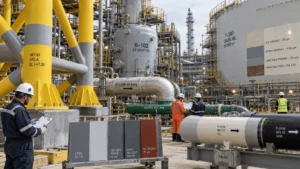
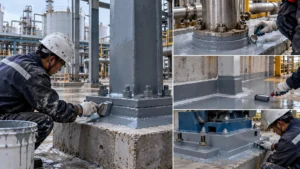
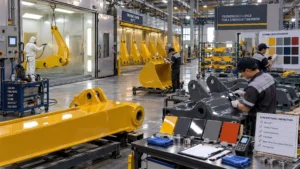
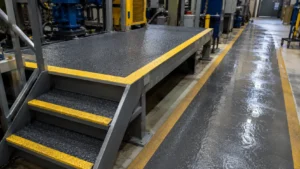
An anti corrosive coating is a protective coating system used to slow corrosion on steel structures, storage tanks, pipelines, machinery and industrial equipment exposed to moisture, salts, chemicals, UV, temperature change or immersion service. For EPC contractors, corrosion engineers, project owners and procurement teams, the main task is to match the coating type, surface preparation, DFT range and inspection method to the real project environment.
This guide works as a starting point for industrial coating selection. It explains the main types of anti corrosive coating systems, where each system is used, how to compare epoxy, zinc-rich, polyurethane, glass flake and waterborne systems, and what information buyers should prepare before requesting a coating recommendation.
What Is Anti Corrosive Coating?
Anti corrosive coating is a protective film system applied to metal or concrete surfaces to reduce corrosion caused by water, oxygen, salts, chemicals and industrial pollutants. In industrial projects, it usually works as a complete coating system rather than a single layer.
A typical industrial anti-corrosion system may include:
- surface preparation,
- primer,
- intermediate barrier coat,
- topcoat,
- DFT inspection,
- adhesion testing,
- repair procedure,
- maintenance planning.
The main purpose is to delay corrosion mechanisms such as rusting, pitting, blistering, underfilm corrosion, rust creep and chemical attack. For carbon steel, this is especially important because exposed steel can corrode quickly in humid, coastal or chemical environments.
Anti-corrosive performance depends on three connected factors: the correct coating chemistry, the correct surface preparation and the correct film thickness. A strong product can still fail early if it is applied over salts, loose rust, moisture or an incompatible old coating.
Main Types of Anti Corrosive Coating Systems
Anti corrosive coating systems are usually selected by protection mechanism, coating chemistry and service environment. The most common industrial systems include epoxy coatings, zinc-rich primers, polyurethane topcoats, glass flake coatings, waterborne coatings and high-temperature coatings.
| Coating System Type | Main Function | Typical Environment | Common Applications | Key Limitation |
|---|---|---|---|---|
| Epoxy coating system | Barrier protection against water, oxygen and pollutants | C3–C5 industrial atmosphere, tank exterior, equipment | Steel structures, machinery, tank shells, pipelines | Needs UV-resistant topcoat outdoors |
| Zinc-rich epoxy primer | Sacrificial protection for blasted steel | C4–C5, coastal, heavy industrial atmosphere | Bridges, steel structures, petrochemical steel | Requires clean blasted steel |
| Polyurethane topcoat | UV resistance, weatherability and color retention | Outdoor exposure, high sunlight, industrial atmosphere | Tank exterior, steel frames, equipment | Not normally used alone for corrosion protection |
| Glass flake coating | Reinforced barrier and low permeability | Immersion, chemical splash, marine splash, severe corrosion | Tank lining, chemical areas, pipelines | Requires careful film build and application control |
| Waterborne coating system | Lower-VOC corrosion protection | Moderate industrial exposure, indoor steel, selected equipment | Workshops, machinery, general steel | Not always suitable for severe C5 or immersion service |
| High-temperature coating | Thermal resistance and oxidation protection | Hot pipes, stacks, boilers, furnaces | Power plants, heat equipment, exhaust surfaces | Service temperature must match TDS |
No single anti corrosive coating system fits every project. A C3 indoor steel frame, a C5 coastal tank, a chemical storage lining and a hot pipe surface all need different coating selection logic.
Choose Anti Corrosive Coating by Service Environment
Anti corrosive coating should be selected according to the service environment because atmospheric corrosion, immersion corrosion, chemical splash and high-temperature exposure create different failure risks. The environment determines whether the system needs barrier protection, sacrificial protection, chemical resistance, UV resistance or thermal resistance.
| Service Environment | Typical Project Area | Suitable System Direction | Main Failure Risk |
|---|---|---|---|
| C3 medium atmospheric exposure | Inland industrial steel, warehouses, general equipment | Epoxy primer + epoxy or polyurethane finish | General rusting, edge corrosion |
| C4 industrial or high-humidity exposure | Power plants, chemical plants, exposed structures | Epoxy primer + high-build epoxy + polyurethane topcoat | Rust creep, underfilm corrosion |
| C5 coastal or marine atmosphere | Port steel, coastal tanks, offshore-related steel | Zinc-rich epoxy primer + epoxy intermediate + polyurethane topcoat | Salt-driven corrosion, blistering |
| Internal immersion service | Tank interiors, water tanks, wastewater tanks | Solvent-free epoxy, epoxy phenolic, epoxy novolac or glass flake lining | Blistering, holidays, chemical attack |
| Chemical splash zone | Bund areas, loading zones, process equipment | Chemical-resistant epoxy or glass flake system | Softening, staining, delamination |
| High-temperature surface | Hot pipelines, stacks, boilers | Silicone or modified high-temperature coating | Cracking, oxidation, discoloration |
| Moderate indoor exposure | Workshop steel, machinery, indoor equipment | Epoxy primer or waterborne coating system | Condensation rust, handling damage |
For steel structures exposed to outdoor industrial or coastal environments, HUILI’s steel structure coating solutions can support system selection by corrosion category, surface condition and expected durability.
Compare Epoxy, Zinc-Rich, Polyurethane and Glass Flake Systems
Epoxy, zinc-rich, polyurethane and glass flake coatings solve different corrosion problems, so they should not be treated as interchangeable products. Each coating type has a different role inside an industrial coating system.
Epoxy Coating Systems
Epoxy coating systems provide strong adhesion and barrier protection for steel structures, tank exteriors, pipelines and machinery. They are commonly used as primers, intermediate coats or lining systems depending on formulation.
Epoxy coatings are often selected when the project needs:
- strong adhesion to prepared steel,
- moisture and chemical resistance,
- high-build barrier protection,
- compatibility with polyurethane topcoats,
- application on steel structures, tanks or equipment.
For C3–C5 steel structures, epoxy coatings are commonly used as primer or intermediate layers. For internal tank service, specialized epoxy linings may be required instead of general atmospheric epoxy coatings.
HUILI’s epoxy anti-corrosion coating series can support primer, intermediate coat and barrier system selection for industrial steel, tanks and equipment.
Zinc-Rich Primer Systems
Zinc-rich primer systems provide sacrificial protection when steel is exposed through small coating defects. The zinc particles help protect the steel substrate, making this system useful for C4, C5, coastal and heavy industrial environments.
Zinc-rich primer is often selected for:
- structural steel,
- bridges,
- port equipment,
- petrochemical facilities,
- power plant steel,
- marine-related steel structures.
Zinc-rich primer is not suitable for poorly cleaned or heavily rusted steel. It requires abrasive blasting and proper steel contact so that the zinc particles can perform as intended.
Polyurethane Topcoat Systems
Polyurethane topcoat systems provide UV resistance, weatherability and color retention for outdoor steel and equipment. They are commonly used over epoxy primers or epoxy intermediate coats.
A polyurethane topcoat is useful when the project needs:
- outdoor weathering resistance,
- gloss and color stability,
- resistance to rain and sunlight,
- better appearance retention,
- protection over epoxy systems.
Polyurethane should not normally be used as the only anti-corrosion layer for heavy-duty steel. It works best as the final layer in a full system where epoxy or zinc-rich primers handle the main corrosion protection.
Glass Flake and Reinforced Barrier Systems
Glass flake coating systems provide low permeability and reinforced barrier protection for severe corrosion environments. They are often used in immersion, chemical splash, marine splash, desulfurization, wastewater and tank lining projects.
Glass flake systems may be considered for:
- tank interiors,
- chemical storage areas,
- wastewater tanks,
- marine splash zones,
- flue gas and desulfurization equipment,
- pipelines and severe process areas.
Glass flake coatings are more demanding to apply than normal primers or topcoats. Film build, curing, surface preparation and inspection must be controlled carefully to avoid pinholes, cracking or poor adhesion.
Match Anti Corrosive Coating to Industrial Applications
Anti corrosive coating should be matched to the asset because steel structures, storage tanks, pipelines, marine steel and machinery fail in different ways. A system that works on outdoor structural steel may not be suitable for internal tank lining or buried pipeline service.
Steel Structures
Steel structures usually need protection against atmospheric corrosion, UV exposure, edge corrosion and weld rust. A typical system may include epoxy primer, epoxy intermediate coat and polyurethane topcoat, with zinc-rich primer considered for more aggressive environments.
Common steel structure applications include:
- factories and warehouses,
- bridges and infrastructure,
- power plant steel,
- petrochemical steel frames,
- port structures,
- platforms and walkways.
For C4 and C5 environments, stripe coating on welds and edges is important because these areas often receive lower film build during spray application.
Storage Tanks
Storage tanks require separate decisions for external coating and internal lining. External shells need atmospheric corrosion and UV protection, while internal surfaces may need immersion and chemical resistance.
External tank coating usually focuses on:
- rain,
- UV,
- humidity,
- industrial atmosphere,
- salt exposure,
- welds and roof edges.
Internal tank lining must consider:
- stored medium,
- immersion time,
- operating temperature,
- vapor phase,
- chemical concentration,
- holiday testing.
For tank and pipeline projects, HUILI’s storage tank and pipeline coating systems can help buyers separate atmospheric coating, immersion lining and pipeline protection requirements.
Pipelines
Pipelines need coating selection based on whether they are above-ground, buried, insulated, submerged or exposed to chemical splash. Above-ground pipelines may use epoxy and polyurethane systems, while buried pipelines may require specialized coating and possible cathodic protection review.
Common pipeline risk points include:
- field joints,
- pipe supports,
- weld seams,
- coating damage during handling,
- under-insulation corrosion,
- holiday defects in buried service.
Machinery and Equipment
Machinery and industrial equipment need anti-corrosion protection that also considers abrasion, oil contamination, cleaning chemicals, heat, vibration and handling damage. A thin decorative finish is not enough for equipment exposed to industrial humidity or outdoor storage.
Typical machinery coating decisions include:
- primer adhesion,
- resistance to oils or cleaning chemicals,
- impact and abrasion tolerance,
- service temperature,
- repairability,
- required appearance and color.
Marine and Coastal Steel
Marine and coastal steel needs stronger protection because chloride contamination accelerates underfilm corrosion and rust creep. Zinc-rich primer, high-build epoxy and polyurethane topcoat systems are often considered for coastal steel structures, port facilities and offshore-related assets.
Salt contamination should be checked carefully before coating. If salts remain on steel or inside pits, blistering and underfilm corrosion may occur even when the coating system looks correct at application.
Check Surface Preparation, DFT and Inspection Before Specification
Surface preparation, DFT and inspection should be defined before purchasing anti corrosive coating because the same product can perform very differently under different application conditions. Coating failure often starts when one of these steps is treated as a minor detail.
Surface Preparation
Surface preparation controls coating adhesion and long-term corrosion resistance. For heavy-duty steel protection, abrasive blasting is commonly used to remove rust, mill scale and contaminants while creating a suitable surface profile.
Important preparation checks include:
- oil and grease removal,
- rust and mill scale removal,
- soluble salt control,
- abrasive blast cleanliness,
- surface profile,
- dust removal,
- edge grinding,
- weld cleaning,
- dew point and steel temperature.
For visual assessment of steel preparation, ISO 8501-1 is commonly used. For surface profile measurement on abrasive blast-cleaned steel, ASTM D4417 provides field measurement methods.
DFT Control
DFT control ensures that the coating system has enough film thickness to provide barrier protection without exceeding the product’s application limits. Low DFT can reduce protection, while excessive DFT can cause cracking, solvent retention, slow curing or poor intercoat adhesion.
A specification should define:
- primer DFT,
- intermediate coat DFT,
- topcoat DFT,
- total system DFT,
- minimum and maximum limits,
- stripe-coated areas,
- repair areas,
- inspection method.
The correct DFT range should always be confirmed against the product TDS, corrosion category and project specification.
Coating Inspection
Coating inspection verifies whether the system was applied correctly before the asset enters service. For atmospheric systems, DFT, adhesion and visual inspection are common. For linings and pipeline systems, holiday testing may also be required.
For pull-off adhesion testing, ASTM D4541 is commonly used on metal substrates. For immersion service, holiday testing helps detect pinholes and discontinuities before filling or operation.
Avoid Common Anti Corrosive Coating Selection Mistakes
Most anti corrosive coating mistakes happen when buyers select a product name without defining the environment, substrate, surface preparation, DFT and inspection requirement. A coating system should be selected from project conditions, not from a generic product category.
Mistake 1: Using One System for Every Environment
One coating system should not be used for all steel, tanks, pipelines and equipment. Atmospheric exposure, immersion, chemical splash, marine salt and high temperature require different system logic.
Mistake 2: Leaving Epoxy Exposed Outdoors Without Topcoat
Epoxy coatings provide strong barrier protection, but many epoxy films chalk under UV exposure. Outdoor systems often need a polyurethane or acrylic polyurethane topcoat for weatherability and color retention.
Mistake 3: Using Atmospheric Coating as Tank Lining
Atmospheric anti-corrosion coating should not be used as internal tank lining unless the product TDS confirms immersion suitability. Immersion service can cause blistering, softening and holiday-related corrosion.
Mistake 4: Ignoring Welds and Edges
Welds, corners, bolt holes and sharp edges often receive lower film build than flat surfaces. Stripe coating helps reduce early rust bleed and edge corrosion.
Mistake 5: Requesting Price Without Project Conditions
A supplier cannot recommend a suitable system from a message such as “need anti corrosive coating.” The technical team needs substrate, exposure environment, temperature, chemical condition, surface preparation, DFT target and inspection requirement.
Prepare RFQ Data for an Anti Corrosive Coating System
A complete RFQ helps the coating manufacturer recommend the right anti corrosive coating system instead of quoting a generic product. The more specific the project data, the more accurate the system recommendation, TDS selection and quotation will be.
Prepare the following information:
- Asset type: steel structure, tank, pipeline, machinery, platform, vessel or equipment
- Substrate: carbon steel, galvanized steel, stainless steel, aluminum, concrete or old coating
- Exposure: indoor, outdoor, coastal, marine, chemical, immersion, buried or high temperature
- Corrosion category: C3, C4, C5, marine, chemical or project-defined condition
- Service condition: temperature, humidity, chemical contact, UV exposure or water immersion
- Surface condition: new steel, blasted steel, rusted steel, old coating or contaminated surface
- Surface preparation method: abrasive blasting, power-tool cleaning, spot repair or full removal
- Required system: primer only, full coating system, tank lining or repair system
- DFT requirement: per coat and total system if specified
- Inspection requirement: DFT, adhesion, holiday testing, surface profile or salt testing
- Required documents: TDS, SDS, method statement, coating proposal or quotation sheet
For complex projects, photos, drawings, old coating records and operating conditions help the technical team identify high-risk zones such as welds, edges, tank bottoms, chemical splash zones and marine-exposed surfaces.
FAQ
What type of anti corrosive coating is used for C4 or C5 steel structures?
C4 or C5 steel structures commonly use an epoxy primer or zinc-rich epoxy primer, a high-build epoxy intermediate coat and a polyurethane topcoat. Zinc-rich primer is often considered when sacrificial protection is required in coastal or heavy industrial atmospheres.
The final system should be selected according to ISO 12944 corrosivity category, surface preparation grade, expected durability and product TDS.
Is epoxy coating enough for anti-corrosion protection?
Epoxy coating can provide strong anti-corrosion barrier protection, but it is not always enough as a complete outdoor system. Outdoor steel usually needs a polyurethane topcoat because epoxy films may chalk under UV exposure.
For immersion or chemical service, specialized epoxy lining, epoxy phenolic, epoxy novolac or glass flake coating may be required instead of a standard atmospheric epoxy system.
When should zinc-rich primer be used?
Zinc-rich primer should be used when blasted steel needs sacrificial protection in aggressive atmospheric environments such as C4, C5, coastal or marine exposure. It is commonly used for bridges, steel structures, port facilities and petrochemical steel.
Zinc-rich primer requires clean abrasive-blasted steel because zinc particles must contact the substrate to provide sacrificial protection.
Can anti corrosive coating be used inside storage tanks?
Anti corrosive coating can be used inside storage tanks only when the product is designed for immersion or lining service. Internal tank service may require solvent-free epoxy, epoxy phenolic, epoxy novolac or glass flake lining depending on stored medium, temperature and chemical exposure.
A normal atmospheric coating should not be used inside a tank unless the TDS confirms immersion suitability.
Why does anti corrosive coating fail early?
Anti corrosive coating commonly fails early because of poor surface preparation, soluble salt contamination, low DFT, incompatible layers, insufficient curing, missed stripe coating or wrong service selection. Typical failure modes include blistering, rust creep, cracking, peeling and underfilm corrosion.
Failures often start at welds, edges, bolt holes, damaged areas and surfaces exposed to standing water or chemical splash.
What information should I send before requesting a coating recommendation?
You should send the asset type, substrate, environment, surface condition, service temperature, chemical exposure, DFT requirement, inspection requirement and drawings. This information helps the coating manufacturer recommend a suitable system instead of only quoting a generic product.
For tanks, also include stored medium, concentration, immersion condition and whether holiday testing is required.
Request an Anti Corrosive Coating System Recommendation
An anti corrosive coating should be selected as a complete system, not only as a product name. The correct system depends on coating type, substrate, service environment, surface preparation, DFT range, inspection method and required durability.
To request a technical recommendation, send your project environment, asset type, substrate condition, surface preparation method, service temperature, chemical or coastal exposure, required durability, drawings and RFQ documents through the industrial coating project inquiry form.
HUILI can help review whether your project needs epoxy coating, zinc-rich primer, polyurethane topcoat, glass flake coating, tank lining, high-temperature coating or another industrial anti-corrosion coating system.