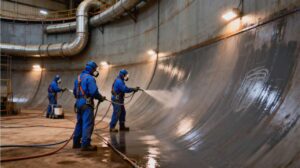
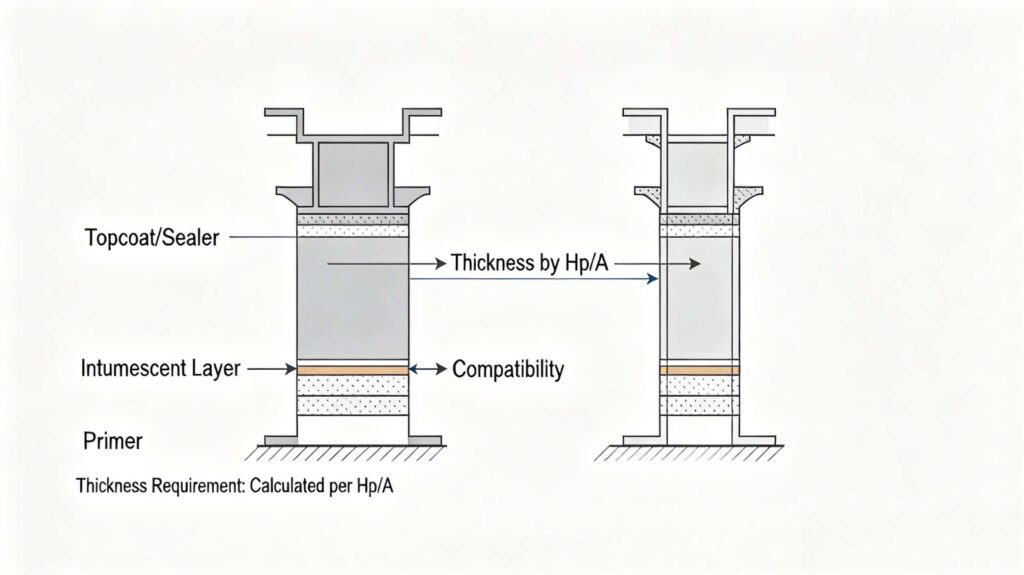
A fireproof coating system for steel structures is not a single “fireproof paint”—it is a tested and specified system (typically primer + passive fire protection layer + optional topcoat/sealer) that must match the required fire scenario and be applied exactly as required to keep the rating. UL explicitly warns that deviations from certification requirements and individual design details will void the fire rating and UL certification.
Why Fireproof Coating Is Critical for Steel Structures
Steel loses load-bearing capacity as temperature rises, so passive fire protection is used to slow heating and maintain integrity for the required time (project-dependent design temperature criteria). UL’s guidance highlights that appropriate standards and certified system details must be followed for the intended environment and rating to be valid.
In real projects, “fireproofing failure” is often a design-and-execution failure: wrong fire scenario, wrong thickness basis, incompatible primer, or uncontrolled application. UL explicitly states that failing to comply with certification requirements and design details can void the fire rating.
Types of Fireproof Coatings Used in Steel Structures
Intumescent fireproof coating (reactive)
Intumescent systems expand when heated to form an insulating char, and the required DFT is not fixed—it depends on multiple factors including steel section factor (Hp/A) and required fire resistance time. A section-factor guide notes that higher Hp/A steel members typically require thicker passive fire protection to achieve the same rating.
Best-fit scenarios (typical):
Architectural steel or visible areas (aesthetics), plant steelwork where weight/space matters (project-dependent).
Cementitious fireproof coating (non-reactive)
Cementitious fireproofing is commonly selected where robust build and cost efficiency are prioritized over appearance, and where thicker applications are acceptable (project-dependent). Selection still must follow the project’s standard, fire scenario, and approved design details to avoid rating gaps.
Buyer decision rule: If aesthetics/space are tight, intumescent often fits better; if large thickness is acceptable and durability strategy is clear, cementitious can be practical (both are project-dependent).
Fireproof Coating System Design (Not Just the Product)
This is the section most RFQs miss—and where costly rework happens.
1) Compatible primer selection (do not assume)
HUILI’s own fire-resistant coating guidance frames fireproof coatings as systems, and a typical system includes an anti-corrosion primer as the adhesion base. Primer selection must be compatible with the PFP layer and the project’s approval path (project-dependent).
Practical rule from certification logic: if a system is tested/certified as a combination, swapping primers/topcoats can create a “non-certified build,” even if each product is good individually (project-dependent). UL warns that deviation from certification requirements can void the rating.
2) Coating thickness calculation (why “60 min = X mm” is wrong)
The required thickness depends on steel geometry and heating rate, commonly represented by section factor Hp/A. A section-factor reference explains that higher Hp/A sections heat faster and require thicker passive fire protection for the same rating.
What to request from the manufacturer: member schedule + Hp/A (or dimensions), required rating time, fire scenario/standard, and exposure (indoor/outdoor/chemical). Then thickness is derived from loading tables (final by TDS/spec).
3) Topcoat / sealer requirements (durability protection)
Depending on exposure (humidity, condensation, UV, chemical splash), an intumescent layer may require a compatible topcoat or sealer for durability (project-dependent). Any added layer must be within the tested/approved system or explicitly accepted by the project authority to avoid rating disputes.
Fire Resistance Standards & Ratings (what to confirm before quoting)
Cellulosic vs hydrocarbon rapid-rise
UL’s guidance emphasizes UL 1709 as an appropriate standard where rapid-rise hydrocarbon fire may occur, and it stresses that certification and design details must be followed to maintain the desired fire protection. This is critical for oil & gas / petrochemical projects in the Middle East and Central Asia (project-dependent).
30 / 60 / 90 / 120 minutes explained (procurement clarity)
These times are not universal thickness numbers; they represent a required protection period under a defined test scenario and design detail set. If the scenario or member geometry changes, the required thickness changes accordingly (final by loading tables/TDS).
Typical Applications of Fireproof Coating Systems
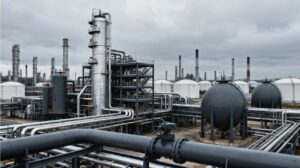
Industrial plants (process units, pipe racks, platforms) (project-dependent)
Steel workshops and industrial buildings (project-dependent)
Power facilities and substations (project-dependent)
Common Fireproof Coating Failures and How to Avoid Them
Cracking: often linked to overbuild per pass, substrate movement, or incorrect cure environment; control application method and environmental limits (project-dependent).
Delamination / falling off: commonly tied to primer incompatibility, poor surface prep, or contamination; specify the full system and verify adhesion-critical steps (project-dependent).
Rating not achieved: usually caused by wrong thickness basis (no Hp/A), wrong standard scenario, or non-compliant system substitutions; UL states deviations from certification requirements void rating/certification.
What buyers forget: Your RFQ must include the member schedule and fire scenario; otherwise thickness cannot be responsibly calculated and quotes become non-comparable.
Quality / Inspection Checklist (DFT, recoat, surface prep)
Use this to reduce rejection risk during inspection (final acceptance criteria by project spec).
Confirm substrate prep and cleanliness before primer (project-dependent).
Verify primer DFT and cure before PFP application (project-dependent).
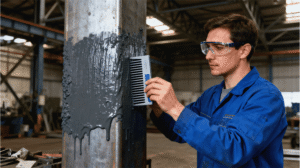
Measure PFP thickness and document location-based readings; thickness must align with Hp/A-based requirement (final by TDS/loading tables).
Control recoat intervals between primer/PFP/topcoat and keep batch traceability (project-dependent).
Maintain documentation package required for certification/approval; UL highlights follow-up inspection requirements within certification schemes and stresses compliance with details to maintain rating.
RFQ Checklist (near the end)
Send these to get a compliant system design + thickness recommendation + quote:
Project location and facility type (industrial/building/oil & gas)
Fire scenario/standard required: cellulosic or hydrocarbon rapid-rise (e.g., UL 1709 where applicable)
Required fire resistance time: 30/60/90/120 min
Steel member schedule: section sizes, orientations, exposure sides; Hp/A if available
Environment: interior/exterior, humidity/condensation, chemical splash (project-dependent)
Corrosion protection need under PFP (primer requirement)
Application method: shop/site, access limits, climate window
Documents requested: TDS/SDS, loading tables/thickness calculation basis, application & inspection method statement
[Anti-Rust & Primer Coatings Series] ->
[Steel Structure Coating Solutions] ->
CTA: Request a Compliant Fireproof Coating System Design
Send your fire scenario (cellulosic vs hydrocarbon), rating time, and steel member schedule (or Hp/A), plus your exposure conditions and primer preference. We will design a compliant fireproof coating system for your steel structure project, provide TDS/SDS, and issue a thickness recommendation based on approved loading tables (final by TDS and project specification). UL stresses that certification requirements and design details must be followed to maintain the fire rating.
Contact Us
We would love to speak with you.
Feel free to reach out using the below details.