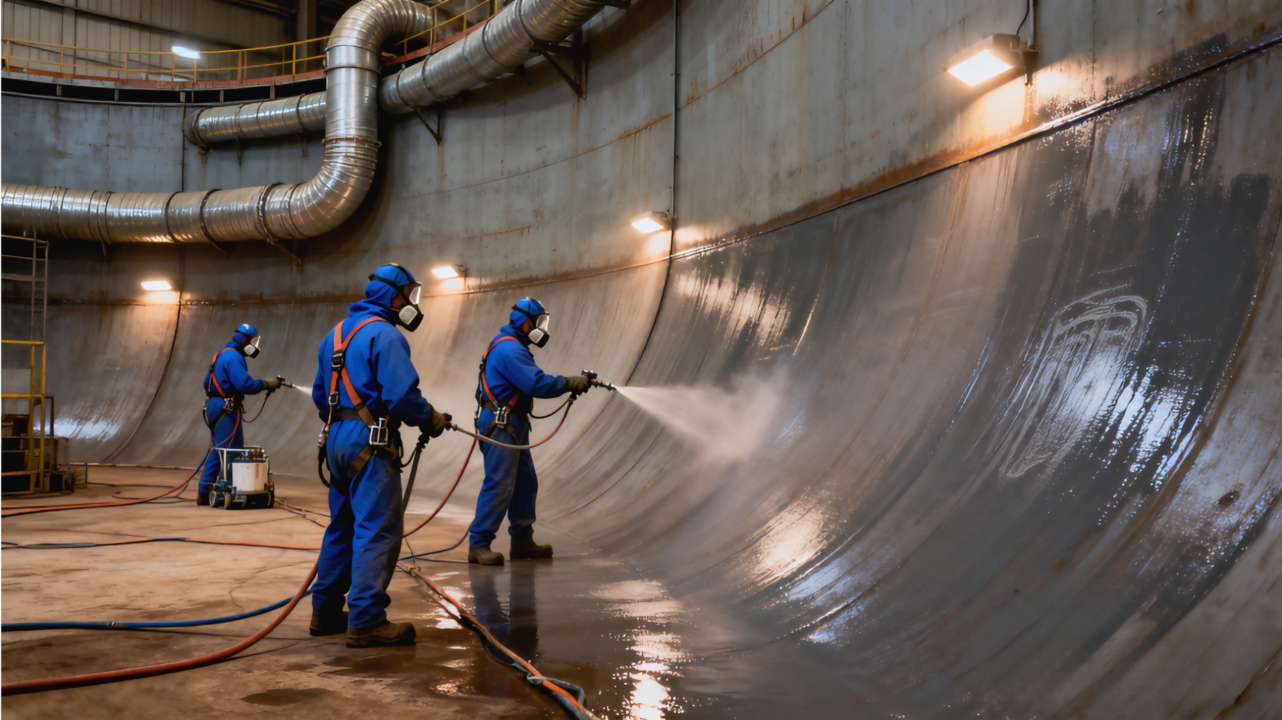
Storage Tank Lining: Selection Guide for Oil, Water, and Chemical Tanks
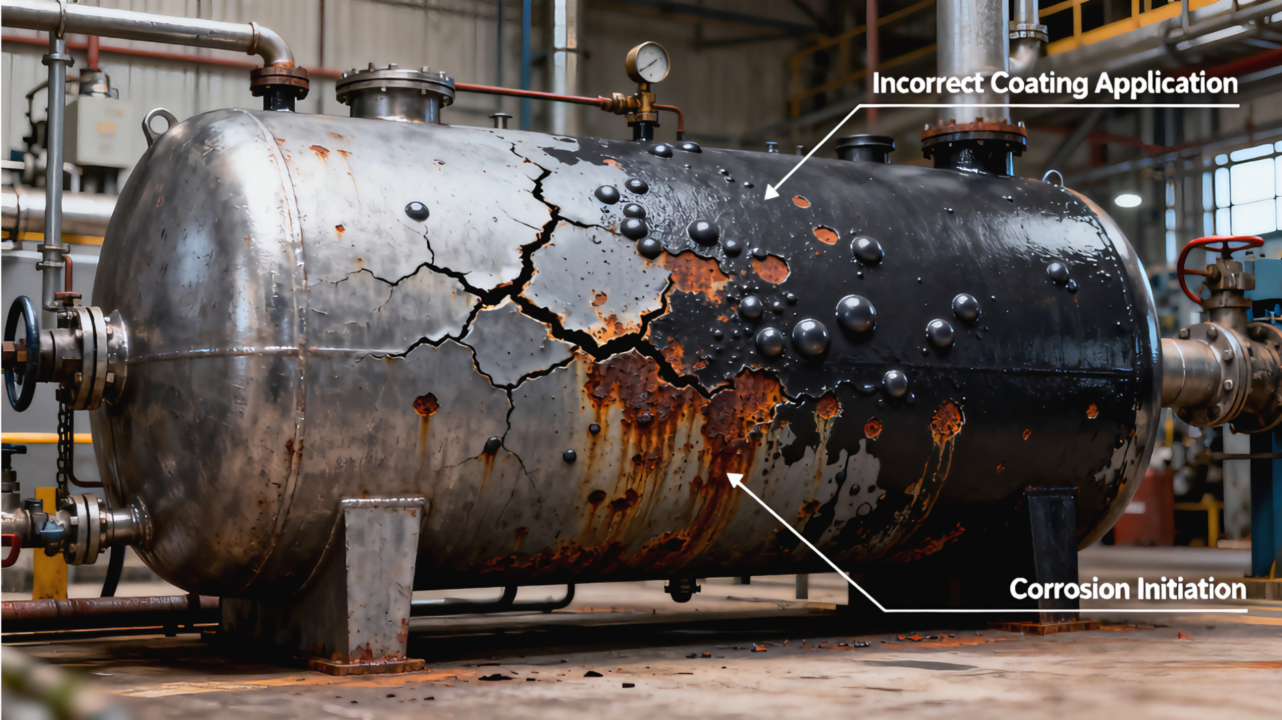
A storage tank lining failure does not announce itself in advance. The first signs — blistering, pinhole corrosion, product contamination — appear only after the
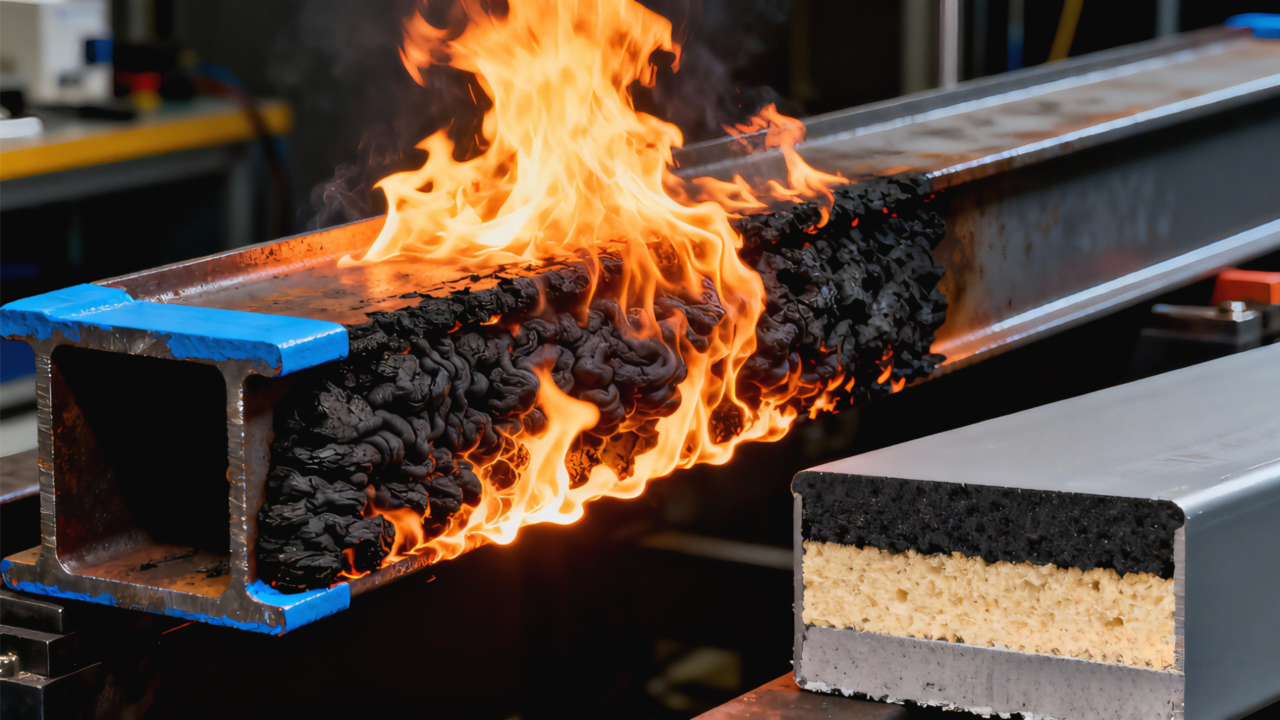
Technical Knowledge, Application Guidance & Engineering Experience

A storage tank lining failure does not announce itself in advance. The first signs — blistering, pinhole corrosion, product contamination — appear only after the

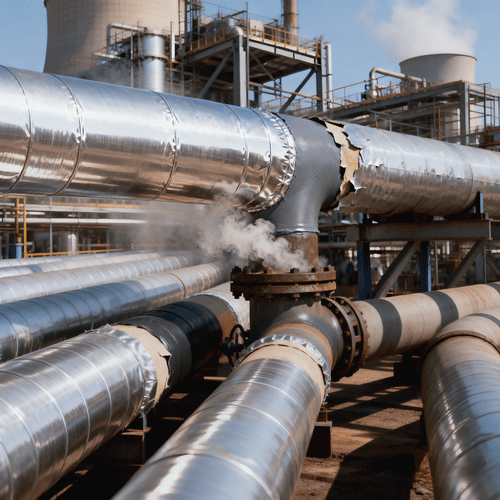
Not all coatings can take the heat. Standard epoxy and polyurethane systems begin to soften, discolour, and degrade at temperatures above 120°C — yet many

Choosing the wrong epoxy tank coating leads to lining failure within months — producing costly downtime, product contamination, and unplanned tank rehabilitation. With dozens of

When a structural steel project fails ahead of schedule, the root cause is almost always the same: the coating system was specified for the wrong

Steel water tank coating is a specification issue, a maintenance issue, and a water-quality issue at the same time. For municipal tanks, water treatment EPC

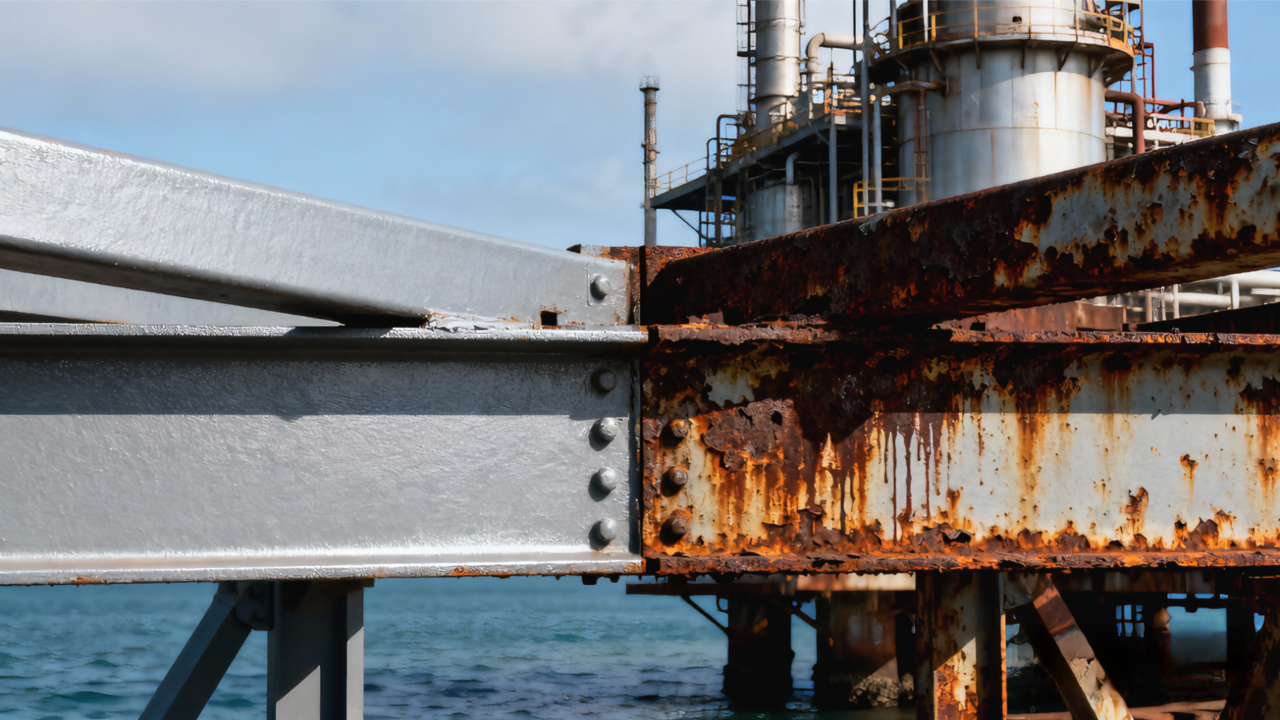
Steel corrosion is a major issue in bridges, offshore platforms, industrial plants, tanks, and general infrastructure because moisture, salts, and pollutants steadily attack exposed steel

Steel structures are used across construction, infrastructure, energy, and manufacturing, but exposure to moisture, chemicals, and harsh environments can rapidly increase corrosion risk.That is why

Plywood is widely used in interior walls, ceilings, furniture, exhibition panels, and decorative construction, but untreated plywood can contribute to flame spread.A fire retardant coating

Steel remains a core material in industrial construction, infrastructure, energy, and manufacturing because it combines strength with cost efficiency, but it is highly vulnerable to

Concrete fire protection is more nuanced than steel fire protection because concrete already has inherent fire resistance, yet severe heat can still cause cracking, spalling,

Steel is used across buildings, infrastructure, energy facilities, and industrial equipment, but unprotected steel remains vulnerable to moisture, oxygen, salts, and other corrosive exposure.For project

Steel is one of the most widely used materials in construction, infrastructure, manufacturing, and energy industries, but its bare surface is highly vulnerable to corrosion