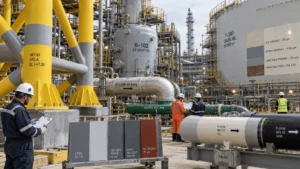
In many industrial and infrastructure projects, corrosion protection is often treated as a secondary task—something to be decided after structural design is completed.
As a result, terms like anti-corrosion coating, protective paint, or coating system are frequently used interchangeably. This misunderstanding leads to one common outcome:
the coating looks acceptable at handover but fails far earlier than expected.
This article answers a basic but critical question:
What is an anti-corrosion coating system, and why does misunderstanding it create serious project risk?
This is not a product introduction or a technical manual. It is a decision-level explanation for engineers, project managers, and procurement teams at the early stage of a project.
What Is an Anti-Corrosion Coating System?
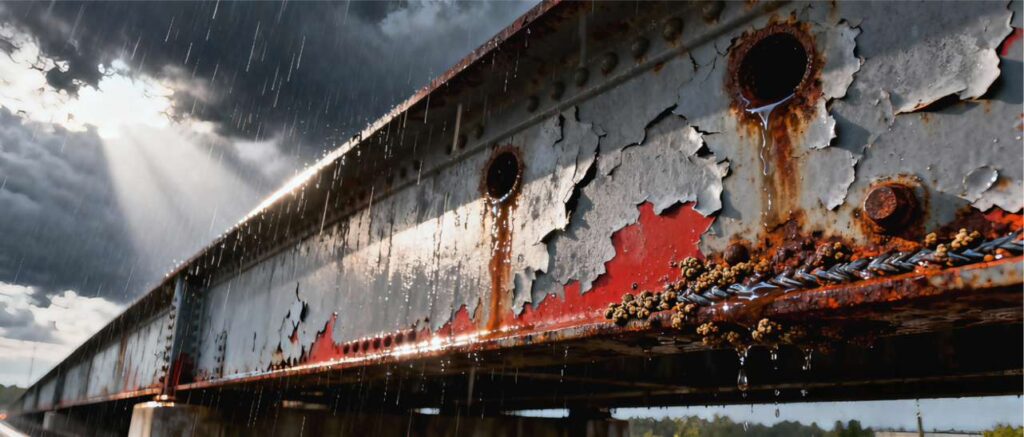
An anti-corrosion coating system is not a single layer of paint and not a product chosen from a catalog.
In real engineering practice, it is a designed protection strategy that combines:
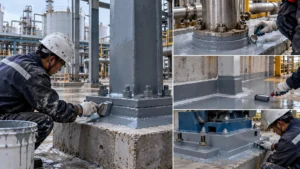
Surface preparation method
Primer type
Intermediate and topcoat layers
Application thickness and curing control
All these elements work together to slow down corrosion under specific service conditions.
The key difference between a coating and a coating system is intent.
A coating system is selected to achieve a defined service life, not just surface coverage.
Why Anti-Corrosion Coating Systems Matter in Real Projects
Misunderstanding coating systems does not usually cause immediate failure—but it creates hidden long-term risk.
Structural Service Life
Steel structures rely on coatings as their primary corrosion protection. Once corrosion starts beneath the coating, steel loss accelerates and structural performance degrades.
Maintenance and Lifecycle Cost
A poorly selected system often requires:
Early repair or full recoating
Access equipment and shutdowns
Higher long-term costs than initial savings
In many cases, coating cost represents only a small fraction of the total lifecycle cost.
Project and Safety Risk
In industrial environments, coating failure can affect:
Fireproofing performance
Workplace safety
Compliance with owner or insurance requirements
This makes the coating system a project risk control measure, not just a finishing detail.
Key Factors Engineers Must Understand About Coating Systems
Corrosion Is Environment-Driven
Corrosion behavior depends on:
Humidity and condensation
Chemical exposure
Salt, UV, and temperature cycles
A coating system that works well indoors may fail rapidly outdoors or in marine conditions.
Surface Preparation Is Part of the System
Surface preparation is not a separate task—it is a functional layer of the coating system.
Inadequate preparation reduces adhesion and allows corrosion to spread under the coating film, even when high-performance coatings are used.
More Paint Does Not Mean Better Protection
Adding more layers without system compatibility can cause:
Intercoat adhesion failure
Trapped solvents
Premature blistering or cracking
Protection depends on correct system design, not coating thickness alone.
Common Misunderstandings About Anti-Corrosion Coating Systems
“Any Industrial Paint Can Be Used”
Industrial coatings are designed for different environments. Using a coating outside its intended conditions often leads to early failure.
“Primer Choice Is Not Critical”
Primer selection directly affects corrosion resistance, adhesion, and system compatibility. It is one of the most critical decisions in the system.
“Appearance Equals Protection”
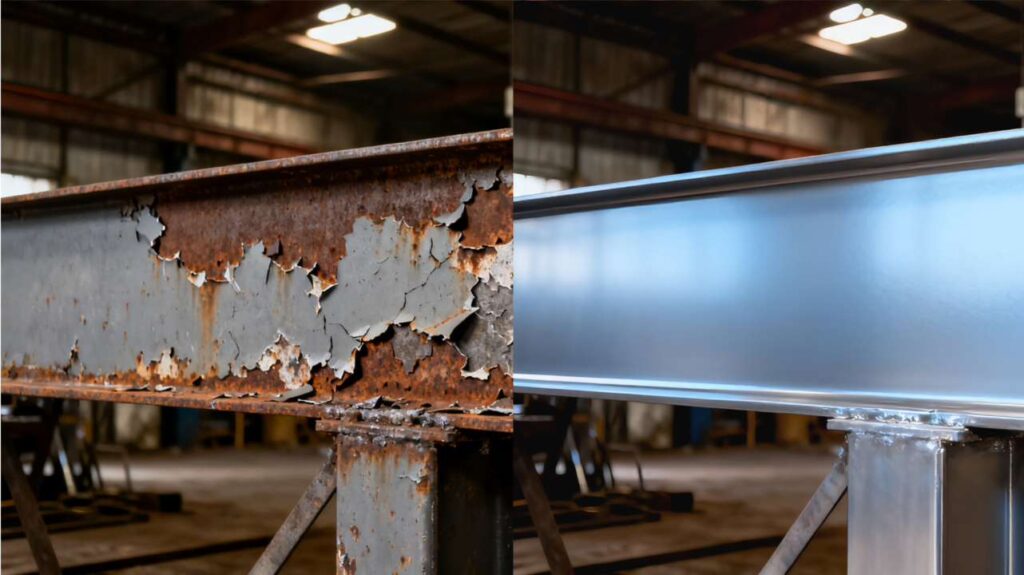
A coating that looks intact may already be failing beneath the surface. Visual inspection alone is not a reliable indicator of protection performance.
“Coating Systems Are Universal”
There is no universal coating system. Each project requires evaluation of environment, design life, and maintenance strategy.
When an Anti-Corrosion Coating System Is NOT Suitable
Understanding limitations is just as important as knowing benefits.
Anti-corrosion coating systems may not be sufficient when:
Steel is continuously immersed without proper lining systems
Severe chemical exposure exceeds coating resistance
Mechanical abrasion is extreme and unprotected
In such cases, additional protection methods or specialized systems must be considered.
Practical Notes and Reference Standards
Anti-corrosion coating systems are often designed and evaluated using international standards such as:
ISO 12944 – Corrosion protection of steel structures
ISO 8501 / 8502 / 8503 – Surface preparation standards
SSPC standards – Coating application and inspection
Practical engineering notes:
Always define corrosion category early
Avoid mixing systems without compatibility verification
Treat coating design as part of engineering scope, not procurement only
Conclusion & CTA
An anti-corrosion coating system is not just a layer of paint—it is a designed solution to control corrosion risk over time.
Projects that understand this concept early are far more likely to achieve their intended service life with controlled maintenance cost.
If you need support in understanding or selecting an appropriate anti-corrosion coating system for your project, you are welcome to contact us for technical discussion.
Contact Us
We would love to speak with you.
Feel free to reach out using the below details.