لا يتم تعريف طلاء عالي الأداء باسم علامة منتج واحد. بل يعرف بما إذا كان نظام الطلاء يستطيع تحمل ظروف خدمة قاسية محددة، مثل التآكل، التعرض chemicals، التآكل، الحرارة، تعرّض للأشعة فوق البنفسجية أو الغمر. في المشاريع الصناعية، يجب أن يكون الأداء العالي مدعومًا بتصميم نظام الطلاء، تجهيز السطح، سمك الفيلم الجاف، الالتصاق، بيانات TDS والبيئة الفعلية للخدمة.
بالنسبة لمقاولي EPC، ومديري المشتريات، ومهندسي التآكل، وفرق الصيانة والمشترين الصناعيين، ليس السؤال الأكثر أهمية هو: “أي طلاء هو الأقوى؟” السؤال الأفضل هو:
أي أداء يحتاجه هذا المشروع، وأي نظام طلاء مصمم لتلك الخدمة؟
يوضح هذا الدليل كيف تقارن بين الطلاءات عالية الأداء للاستخدامات الصناعية، وكيف تقيم طلاء عالي الأداء للفولاذ، وما البيانات الأساسية للمشروع التي يجب إعدادها قبل طلب توصية فنية أو RFQ.
ماذا يعني الطلاء عالي الأداء في المشاريع الصناعية
الطلاء عالي الأداء هو نظام طلاء مختار لظروف خدمة قاسية أو محددة بوضوح. قد يحتاج إلى مقاومة التآكل، الكيميائيات، الحرارة، التعرض للأشعة فوق البنفسجية، التآكل، الغمر، الصدمات، أو مزيج من عدة مخاطر.
تستخدم الطلاءات عالية الأداء عادةً لـ:
- الهياكل الفولاذية في بيئات تآكل قاسية؛;
- معدات المعالجة الكيميائية؛;
- خزانات التخزين وخطوط الأنابيب؛;
- هياكل مياه الصرف الصحي؛;
- مكونات بحرية وبحرية عميقة؛;
- أنابيب ساخنة ومعدات ذات درجات حرارة عالية;
- الآلات الصناعية المعرضة للاهتراء؛;
- المعدات الخارجية التي تتطلب مقاومة للأشعة فوق البنفسجية والتعرّض للعوامل الجوية.
عادةً ما لا تكون طلاء حماية عالي الأداء طبقة واحدة فقط. قد يشمل طبقة أساس، طبقة وسيطة، طبقة نهائية، طبقة تبطين، طبقة شريطية، أو طبقة حاجزة خاصة اعتماداً على المشروع.
لل مشاريع صناعية قاسية أو خاصة،, أنظمة الطلاء الصناعية التخصصية يجب مراجعتها وفق بيئة الخدمة الفعلية.
طلاء عالي الأداء مقابل طلاء صناعي عامًا
قد يوفر طلاء صناعي عام المظهر والمتانة المعتدلة والحماية الجوية العادية. يجب أن يفي الطلاء عالي الأداء بمعايير أداء أكثر تطلباً في ظل ظروف خدمة أشد قساوة.
قد تشمل الفروقات:
- مقاومة أعلى للتآكل؛;
- مقاومة كيميائية أفضل؛;
- تحمل حرارة أعلى؛;
- متطلبات التصاق أقوى؛;
- إجمالي سطح فعال أعلى؛;
- إعداد سطح أكثر صرامة;
- فترة صيانة أطول؛;
- فحص أكثر تفصيلاً؛;
- بيانات اختبار محددة أو موافقات المشروع.
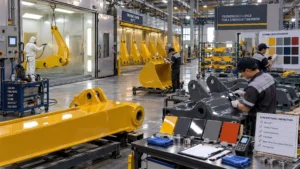
على سبيل المثال، قد تكون إنهائية معدات عامة مناسبة للآلة داخل المبنى، بينما قد تحتاج منطقة مصنع كيميائي شديد إلى إبوكسي، رقائق زجاجية، إبوكسي فينيلي، إبلكسي خالٍ من المذيب أو نظام طلاء تخصصي آخر.
لماذا الأداء العالي ليس فئة منتج واحدة
الأداء العالي ليس فئة منتج واحدة لأن مخاطر صناعية مختلفة تتطلب تقنيات طلاء مختلفة. يمكن أن تكون الإبوكسيات والبولي يوريثان والإبوكسي الفينولي والرقائق الزجاجية وطبقة رصاص الزنك وطلاء مقاوم للحرارة وطلاء بحري جميعها خيارات عالية الأداء في البيئة المناسبة.
مع ذلك، لا يعتبر أي منها الخيار الأمثل تلقائيًا لكل مشروع.
لا يجب اختيار طلاء فقط لأنه:
- أسمك؛;
- أكثر تكلفة؛;
- إبوكسي أساس؛;
- مصنف على أنه مركّب ثقيل؛;
- معلن عنه كأداء عالٍ؛;
- مختبر في ساعات رش ملحي عالية.
يعتمد الاختيار الصحيح على حالة الخدمة، الركيزة، نظام الطلاء، DFT، التحضير للسطح، نوع التعرض، وهدف الصيانة.
مطابقة متطلبات الأداء بتقنية الطلاء
يجب أن يبدأ اختيار الطلاء عالي الأداء من متطلبات الأداء. قد لا يقاوم طلاء مصمم لمقاومة الأشعة فوق البنفسجية الغمر الكيميائي. قد لا يتحمّل الطلاء المصمم للقذف الكيميائي درجات الحرارة العالية. قد لا يكون الطلاء المناسب للهياكل الفولاذية مناسباً لبطانة الخزانات.
| متطلبات الأداء | الاتجاه النموذجي للطلاء | التطبيقات الصناعية الشائعة | فحص المواصفات الأساسية |
|---|---|---|---|
| مقاومة التآكل الشديد | برايمر غني بالزنك + إ epoxy + PU أو نظام الإيبوكسى | الهياكل الفولاذية، البحرية، البحرية العميقة | فئة التآكل، DFT، تجهيز السطح |
| المقاومة الكيميائية | إيبوكسى، إيبوكسى فينيلى، رقائق زجاجية أو بطانة خاصة | خزانات كيميائية، معدات عملية | نوع الكيمياء، التركيز، الحرارة |
| مقاومة التآكل | إيبوكسى عالي البناء، رقائق زجاجية أو بطانة خاصة | الآلات، المنصات، مناطق الطين/الوحل | نوع التآكل، الاصطدام، الحركة، التنظيف |
| مقاومة الحرارة | طلاء مقاوم للحرارة بسيليكوني أو معدل | أنابيب ساخنة، عوادم، محطات الطاقة | الدرجة المستمرة والذروة للدرجة الحرارية |
| مقاومة الأشعة فوق البنفسجية / الطقس | طبقة علوية بوليوريثان أو مقاومة للعوامل الجوية | الحديد في الهواء الطلق، المعدات، الآلات | لمعان/ثبات اللون، مخاطر تغير اللون |
| مقاومة الغمر | إ epoxy بدون مذيبات، epoxy الفينوليك أو نظام بطانة | الخزانات، مياه الصرف الصحي، خطوط الأنابيب | نوع السائل، زمن الغمر، اختبار العطافة |
هذا الجدول إطار اختيار، وليس قائمة منتجات شاملة. قد يتطلب الأصل الصناعي نفسه أكثر من وظيفة أداء واحدة. على سبيل المثال، قد تحتاج خزان كيميائي خارجي إلى مقاومة التآكل، المقاومة الكيميائية، مقاومة الأشعة فوق البنفسجية وفحص استمرارية الفيلم.
معايير الأداء الرئيسية التي يجب على المشترين فحصها
يجب على المشترين فحص معايير الأداء المطابقة لبيئة الخدمة. يجب تقييم نظام الطلاء عالي الأداء من خلال التعرض للتآكل، والتعرض الكيميائي، والتآكل، والحرارة، والأشعة فوق البنفسجية، والغمر، وسُمك الطلاء الفعّال، والالتصاق، وهدف الصيانة.
مقاومة التآكل
مقاومة التآكل هي واحدة من أكثر الأسباب شيوعاً لاختيار طلاء عالي الأداء للصلب. الهياكل الفولاذية والمنصات وخزانات الأنابيب ومكونات خارجية ومكونات بحرية قد تحتاج إلى حماية من التآكل تتجاوز الطلاءات لأداء عام.
تفتيشات مرتبطة بالتآكل تشمل:
- فئة التآكل؛;
- التعرض داخل المبنى أم خارجه؛;
- البيئة الساحلية أو البحرية؛;
- التلوث الصناعي؛;
- الرطوبة؛;
- تعرض لرذاذ الملح؛;
- نوع طبقة الأساس؛;
- إجمالي سماكة الطلاء الفاعلة (DFT);
- درجة تجهيز السطح;
- فترة الصيانة المتوقعة.
يوفر ISO 12944-5 إرشادات لاختيار أنظمة الطلاء الوقائية في بيئات مختلفة وتوقعات المتانة، لكن لا يزال اختيار النظام النهائي يعتمد على المشروع.
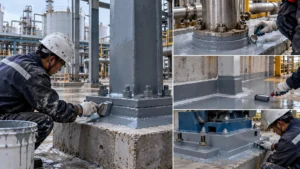
بالنسبة لحماية التآكل للصلب،, أنظمة طلاء مقاوم للتآكل بالإيبوكسي قد تُستخدم كطبقات حاجزة أو طبقات أساسية أو طبقات وسيطة حسب المواصفات.
المقاومة الكيميائية
يجب تقييم المقاومة الكيميائية حسب نوع المادة الكيميائية وتركيزها ودرجة الحرارة ومدة التعرض وما إذا كانت الخدمة عبارة عن رشة أو انسكاب أو بخار أو تكاثف أو غمر. قد لا تكون طبقة الطلاء التي تقاوم الانسكاب العرضي مناسبة للغمر المستمر.
قد تشمل التعرضات الكيميائية:
- أحماض؛;
- قلويات؛;
- المذيبات؛;
- الوقود؛;
- المياه العادمة؛;
- مواد التنظيف الكيميائية؛;
- سوائل العمليات؛;
- بيئات كيميائية مختلطة.
قد تُنظر في أنظمة الإيبوكسي الفينولي أو رقائق الزجاج أو الإيبوكسي الخالي من المذيبات وأنظمة خاصة أخرى اعتمادًا على الظروف الكيميائية. يجب أن تستند التوصية الدقيقة إلى بيانات المقاومة الكيميائية ومعلومات خدمة المشروع.
مقاومة التآكل والصدمات
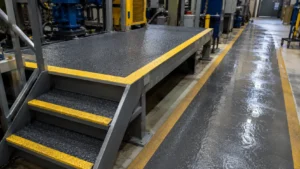
تُهم مقاومة التآكل والصدمات في مناطق الآلات والمنصات ومعدات التعدين ومناطق الطين النفطي ومسارات المشي ومناطق التحميل ومناطق مناولة المعدات. قد تمتلك طبقة الطلاء مقاومة قوية للتآكل لكنها قد تفشل إذا أُزيل الفيلم بسبب حركة المرور أو التآكل الميكانيكي.
تشمل الفحوصات المتعلقة بالتآكل ما يلي:
- حركة الأقدام داخل المنشأة؛;
- حركة الرافعة الشوكية؛;
- اصطدام الجسيمات؛;
- تحرك اللب sludge;
- سلوك الملاط؛;
- اتصال عجلة فولاذية أو منصّة التوريد؛;
- سياسة الإصلاح المحلية.
قد تكون طبقة إبوكسي عالية البناء أو طلاء مقاوم للتآكل مخصص مطلوبة حيث يعتبر التآكل نمط فشل رئيسي.
Heat Resistance
Heat resistance is required for hot pipes, exhaust components, stacks, power plant equipment, boilers, furnaces and process equipment exposed to elevated temperature. The coating must be selected by continuous temperature, peak temperature and temperature cycling.
Important questions include:
- What is the normal operating temperature?
- What is the peak temperature?
- Is the surface insulated?
- Is the service indoor or outdoor?
- Will the coating face condensation during shutdown?
- Is corrosion under insulation a concern?
- Is color retention important at high temperature?
For hot service, high temperature and special industrial coatings may be reviewed according to operating temperature and project condition.
UV and Weathering Resistance
UV and weathering resistance are important for outdoor steel, equipment, machinery, tanks exteriors and structures exposed to sunlight. Epoxy coatings can provide strong barrier protection, but they may chalk under long-term UV exposure. A polyurethane topcoat is often used when color and gloss retention matter.
UV and weathering checks include:
- التعرض الخارجي؛;
- sunlight intensity;
- متطلبات الاحتفاظ باللون؛;
- gloss retention requirement;
- chalking tolerance;
- فترة الصيانة؛;
- توافق الطلاء النهائي.
For outdoor equipment and steel structures, polyurethane weather-resistant topcoat systems may be used over epoxy primers or intermediate layers where appropriate.
Immersion and Lining Performance
Immersion service is more demanding than atmospheric exposure or chemical splash. Tank interiors, wastewater structures, pipelines and process vessels may need lining systems with strict film continuity, cure and inspection requirements.
Immersion-related checks include:
- stored liquid;
- درجة الحرارة؛;
- pH;
- solvent or fuel exposure;
- مدة الغمر؛;
- cleaning cycle;
- اختبار العيد (Holiday)؛;
- return-to-service time;
- repair method.
For immersion or storage service, أنظمة طلاء الخزانات وأنابيب should be reviewed with the actual liquid, temperature and inspection requirements.
High Performance Coating for Steel: What Changes?
High performance coating for steel requires more than choosing a strong product. The real performance depends on steel preparation, primer selection, intermediate layer, topcoat, DFT, curing, inspection and the actual corrosion environment.
Steel Structures in Severe Corrosion Environments
High performance coatings for steel are often used in C4, C5, marine, offshore, chemical plant, power plant and industrial infrastructure environments. These projects require coating systems that resist moisture, salts, pollutants and long-term outdoor exposure.
A steel structure coating system may include:
- الحرْفُ الكاشِط؛;
- zinc-rich primer or epoxy primer;
- طبقة وسيطة إيبوكسى؛;
- طبقة علوية من البولي يوريثان؛;
- stripe coating on edges and welds;
- DFT inspection;
- adhesion or repair checks where required.
For marine and salt exposure, أنظمة الطلاء البحري may be reviewed where seawater, salt spray or offshore conditions are involved.
Why DFT and Surface Preparation Decide Real Performance
DFT and surface preparation often decide whether a high-performance coating system actually performs in service. Even a high-quality coating can fail early if the steel is contaminated, the profile is wrong, the DFT is too low, or the film is under-cured.
الفحوصات الهامة تشمل:
- cleanliness;
- ملف السطح؛;
- الأملاح القابلة للذوبان؛;
- إزالة الغبار؛;
- stripe coating;
- wet film thickness;
- سمك الفيلم الجاف؛;
- وقت الشفاء؛;
- recoat interval.
ASTM D7091 covers nondestructive measurement of DFT for nonmagnetic coatings on ferrous metals and nonmagnetic, nonconductive coatings on non-ferrous metals. Many industrial specifications set minimum and maximum DFT for each layer.
When Zinc-Rich, Epoxy, PU or Specialty Systems Are Used
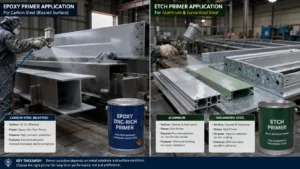
Different coating technologies serve different steel protection roles. Zinc-rich primers may be used for cathodic protection on prepared carbon steel. Epoxy coatings provide barrier protection and chemical resistance. Polyurethane topcoats improve UV, color and gloss retention. Specialty systems may be needed for heat, chemicals, immersion or severe abrasion.
A high-performance steel system may use:
- zinc-rich primer for prepared steel;
- epoxy primer for adhesion and barrier protection;
- high-build epoxy intermediate coat;
- polyurethane topcoat for outdoor weathering;
- glass flake coating for chemical or abrasion resistance;
- heat-resistant coating for hot equipment.
The system should be selected by environment, not by product name alone.
Check TDS and Test Data Before Specification
TDS and test data should be reviewed before specifying a high-performance coating. However, test results should be interpreted according to service conditions. Laboratory tests support selection, but they do not replace project data.
DFT and Coating System Thickness
DFT controls barrier performance, film continuity, durability and coating cost. Too little DFT may reduce protection, while excessive DFT can create curing, cracking, solvent retention or overcoating problems depending on the product.
Buyers should check:
- DFT per coat;
- total system DFT;
- minimum and maximum DFT;
- wet film thickness target;
- عدد الطبقات؛;
- edge and weld stripe coat requirement;
- repair DFT requirements.
DFT should be connected to the full system design, not treated as an isolated number.
Adhesion and Surface Preparation
Adhesion depends on surface preparation, primer compatibility, curing, cleanliness and recoat condition. A high-performance coating system must bond to the substrate and between layers.
Adhesion checks may include:
- pull-off adhesion;
- cross-cut or field adhesion check where specified;
- التوافق مع الطلاء القديم؛;
- primer-to-topcoat compatibility;
- surface profile verification;
- contamination control.
ASTM D4541 covers pull-off strength testing of coatings using portable adhesion testers and is commonly referenced where adhesion testing is required.
Chemical, Salt Spray and Heat Data
Chemical resistance, salt spray and heat data can support coating selection, but they must be matched to the real exposure. A salt spray result alone does not prove performance in every marine or industrial environment. Chemical immersion data does not automatically apply to chemical vapor or mixed chemical splash.
ASTM B117 covers the salt spray/fog test environment and apparatus conditions. It can be useful for comparative testing, but coating selection should still consider corrosion category, substrate, surface preparation, DFT and service environment.
When reviewing test data, ask:
- Which chemical was tested?
- At what concentration?
- At what temperature?
- Was the exposure immersion, splash or vapor?
- What DFT was tested?
- Was the coating fully cured?
- What substrate preparation was used?
Service Life and Maintenance Interval
High-performance coating does not mean maintenance-free. It means the coating system is designed to meet a target service life or maintenance interval under defined conditions.
Buyers should define:
- expected service life;
- inspection interval;
- maintenance window;
- repair method;
- downtime limitation;
- acceptable appearance change;
- failure consequence.
A coating system that is easy to inspect and repair may be more practical than a system that looks strong on paper but is difficult to maintain in the field.
Avoid Common Mistakes When Choosing High-Performance Coatings
High-performance coating selection can fail when buyers focus on product names instead of service data. A coating should be selected by exposure, substrate, required performance, inspection method and maintenance target.
Choosing Only by Resin Type
Choosing only by resin type is risky because “epoxy,” “polyurethane,” or “silicone” describes chemistry, not complete project suitability. Different products within the same chemistry can perform very differently.
على سبيل المثال:
- epoxy may be used for primer, intermediate coat or tank lining;
- polyurethane may be used for UV-resistant topcoat;
- silicone-modified coating may be used for heat resistance;
- glass flake coating may be used for chemical and barrier protection.
The resin type is only the starting point.
Treating Salt Spray Hours as the Only Proof
Salt spray hours should not be treated as the only proof of coating performance. Salt spray testing can support comparison, but real industrial exposure may include UV, wet-dry cycling, chemicals, abrasion, temperature changes and mechanical damage.
A coating with impressive salt spray data may still be unsuitable if:
- the surface preparation is wrong;
- DFT is too low;
- the environment includes chemicals;
- UV exposure is severe;
- the coating is used in immersion without approval;
- the substrate is not compatible.
Salt spray data should support, not replace, coating system review.
Ignoring Splash vs Immersion
Chemical splash and immersion are different service conditions. A coating may resist occasional splash but fail under continuous immersion. Immersion requires stricter film continuity, cure, inspection and often holiday testing.
Before specifying chemical-resistant coating, confirm:
- splash or immersion;
- exposure time;
- liquid temperature;
- chemical concentration;
- cleaning cycle;
- return-to-service requirement.
This distinction is especially important for tanks, containment areas, wastewater structures and process equipment.
Using Outdoor Finish Where Chemical Resistance Is Required
Outdoor finish coatings may provide good UV and weathering resistance, but they may not resist strong chemicals. A polyurethane topcoat can be excellent for appearance and weathering, but severe chemical exposure may require epoxy, phenolic epoxy, glass flake or another specialty system.
The coating system should match the dominant risk:
- UV and weathering;
- corrosion;
- هجوم كيميائي؛;
- heat;
- immersion;
- abrasion.
When multiple risks are present, the full system must be designed around the most severe service condition.
Asking Only for Price Without Service Data
A price-only RFQ is not enough for high-performance coating. Without service data, the supplier cannot confirm the correct coating type, DFT, surface preparation, cure time, inspection method or maintenance expectation.
A better RFQ should describe the environment and performance target. This allows the manufacturer to recommend a suitable coating system rather than simply quote a product name.
Prepare RFQ Data for a High-Performance Coating Project
A high-performance coating RFQ should include the asset type, substrate, service environment, chemical exposure, temperature, immersion condition, UV exposure, abrasion risk, DFT requirement, surface preparation and inspection standard.
Service Environment Data the Manufacturer Needs
The manufacturer needs detailed service data to match the coating to the project.
Useful service information includes:
- نوع الأصل؛;
- steel, concrete, tank, pipeline or equipment substrate;
- التعرض داخل المبنى أم خارجه؛;
- فئة التآكل إذا كانت معروفة؛;
- coastal, marine or industrial atmosphere;
- chemical type;
- chemical concentration;
- درجة الحرارة؛;
- splash or immersion exposure;
- التعرض لأشعة UV؛;
- abrasion or impact;
- مواد التنظيف الكيميائية؛;
- expected service life;
- فترة الصيانة.
This information helps separate general industrial coating needs from severe service coating system needs.
Project and Application Data
Application data is equally important because high-performance coating depends on correct installation. A strong system can fail if the surface preparation or application conditions are poor.
قدموا:
- طريقة تحضير السطح;
- المطلوب من DFT;
- عدد الطبقات؛;
- طريقة التطبيق؛;
- التطبيق في الورشة أو الميدان؛;
- temperature and humidity;
- recoat schedule;
- نافذة التعطل أو التوقف؛;
- inspection requirement;
- photos, drawings or specifications;
- repair or new-build scope.
If the asset is already coated, include old coating condition and failure photos.
متى قد توصي هويلي بنظام طلاء آخر
HUILI may recommend another coating system when the requested product does not match the service condition. Depending on exposure, the recommendation may involve epoxy, polyurethane, glass flake, phenolic epoxy, solvent-free epoxy, heat-resistant coating, marine coating or another specialty system.
Possible recommendations include:
- epoxy anti-corrosion coating for barrier protection;
- PU topcoat for outdoor UV and color retention;
- phenolic epoxy for selected chemical service;
- glass flake coating for severe chemical or barrier needs;
- heat-resistant coating for hot equipment;
- marine coating for salt and seawater exposure;
- tank lining for immersion service.
The correct recommendation starts with the service environment, not the product name.
الأسئلة الشائعة
What is a high-performance coating?
A high-performance coating is a coating system selected for a defined severe service condition such as corrosion, chemicals, heat, UV exposure, abrasion or immersion. It should be supported by suitable TDS data, surface preparation, DFT, adhesion and project-specific performance requirements.
How is high-performance coating different from general industrial coating?
General industrial coating may provide appearance and moderate protection. High-performance coating is selected for harsher service conditions and usually requires stricter system design, surface preparation, DFT control, test data review and inspection.
What high-performance coating is suitable for steel?
High performance coating for steel depends on corrosion environment, surface preparation, exposure, DFT and service target. Options may include zinc-rich primer systems, epoxy systems, epoxy plus polyurethane systems, marine coatings or specialty coatings for chemical, heat or immersion service.
Is epoxy always considered a high-performance coating?
No. Epoxy can be part of a high-performance coating system, but not every epoxy product is suitable for every severe service condition. Epoxy may be used for primer, barrier protection, chemical resistance or lining, but final selection depends on service environment and system design.
What data should I provide for a high-performance coating quotation?
You should provide asset type, substrate, corrosion environment, chemical exposure, temperature, immersion or splash condition, UV exposure, abrasion risk, expected service life, surface preparation, DFT requirement, application method, inspection standard, drawings and photos.
Request a High-Performance Coating Recommendation
High-performance coating should be selected according to service environment, performance criteria, substrate, DFT, surface preparation, inspection requirement and maintenance target. HUILI can review your project and recommend whether epoxy, polyurethane, glass flake, phenolic epoxy, heat-resistant, marine or specialty coating systems are suitable.
للمواءمة الدقيقة أكثر، أرسل:
- نوع الأصل؛;
- substrate: steel, concrete, tank, pipeline or equipment;
- فئة التآكل إذا كانت معروفة؛;
- chemical exposure and concentration;
- درجة الحرارة؛;
- splash or immersion condition;
- UV or outdoor exposure;
- abrasion or impact risk;
- expected service life;
- فترة الصيانة؛;
- طريقة تحضير السطح;
- متطلبة عمق الطلاء (DFT)؛;
- طريقة التطبيق؛;
- inspection standard;
- drawings, photos or project specification.
أرسل بياناتك عبر high-performance coating project inquiry page so the technical team can support coating system selection, TDS review, performance comparison and RFQ preparation.