Middle East projects often combine high temperature, strong UV, coastal salt-laden humidity, and wind-driven sand—conditions where “generic industrial paint” fails early if the system is not engineered and inspected as a full specification. ISO 12944 is commonly used to classify corrosivity (C1–C5 and CX for extreme/offshore) and align durability and nominal DFT to exposure, but final coating system and thickness must be confirmed by the project spec and TDS.
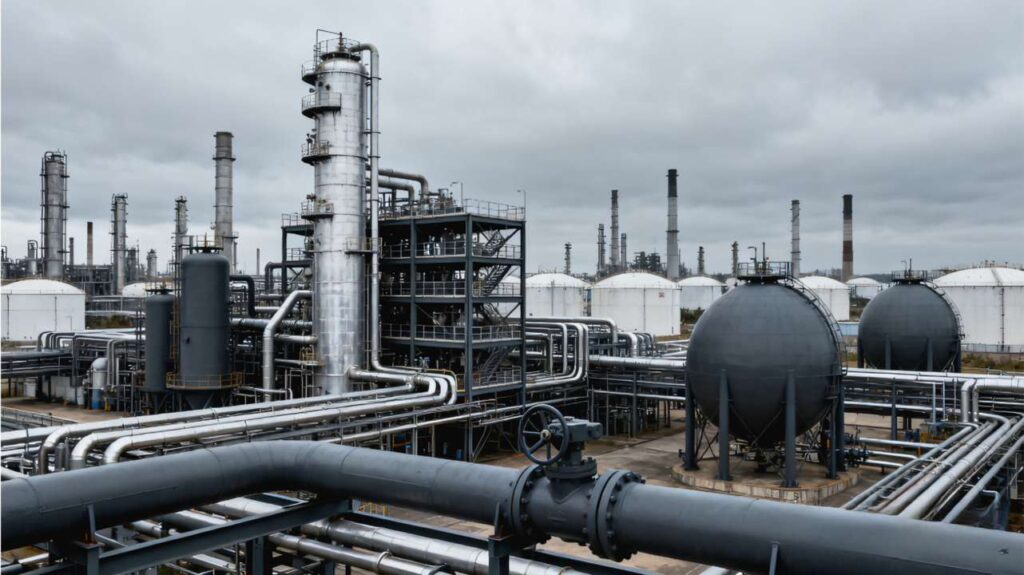
Why Corrosion Is Severe in Middle East Industrial Projects
Coastal and offshore areas face high salinity and humidity, while industrial zones may add pollutants—ISO 12944 groups these environments into corrosivity categories, including CX for extreme offshore exposure. Desert wind-driven sand can mechanically degrade coatings through abrasive wear, so systems must also consider erosion resistance and maintainable topcoats.
A frequent failure mode is treating “hot + humid” as one environment; in reality, a site may include shaded condensation zones, splash/spray areas, and high-UV exposed steel in the same plant. ISO 12944 highlights that durability planning (“time to first major maintenance”) and correct DFT selection should follow exposure definition.
Key Requirements for Anti-Corrosion Coatings in Middle East
Thermal stability (service temperature): Near hot equipment and pipelines, standard organic systems may soften or age faster; high-temperature anti-corrosion systems (often silicone-based) are used in elevated temperature service (project-dependent).
UV/weathering resistance: Epoxy layers provide barrier protection but need UV-stable finishing for long outdoor exposure; HUILI’s polyurethane anti-corrosion coatings are positioned for weather resistance and color retention in outdoor environments.
Salt + humidity resistance: ISO 12944 shows that increasing corrosivity and durability targets generally drives higher nominal DFT and more robust systems, especially for coastal/offshore scenarios.
Maintenance interval: ISO 12944 defines durability as “time to first major maintenance” with ranges (L/M/H/VH), so owners can align coating spend with shutdown planning.
Manufacturer insight (what buyers forget): If your RFQ doesn’t state “coastal distance, shutdown interval, and surface prep method,” suppliers will quote different systems that cannot be fairly compared—and the cheapest quote often assumes a lighter surface prep or lower durability class.
Recommended Coating Systems for Middle East Climate
Below are practical, RFQ-ready system “families” used for Middle East exposures; final product selection and DFT ranges must be confirmed by TDS and project spec.
System 1: Zinc-Rich Primer + Epoxy + Polyurethane (Most outdoor steel)
Best for: outdoor steel structures, pipe racks, industrial buildings, coastal but not constant immersion (project-dependent).
Why it works: zinc-rich primer provides cathodic protection; epoxy builds barrier thickness; polyurethane topcoat improves weathering/UV durability and appearance.
Common service life band: often specified as Medium/High durability in ISO 12944 terms depending on environment and DFT (final by spec).
[Anti-Rust & Primer Coatings for Steel] ->
[Polyurethane Anti-Corrosion Coatings] ->
System 2: High-Build Epoxy Coating System (Severe coastal, high DFT)
Best for: aggressive marine/coastal zones, areas needing fewer coats, maintenance where access is limited (project-dependent).
Why it works: high-build epoxy increases barrier protection by higher film build; 100% solids/solvent-free epoxy can allow very high DFT per coat (project-dependent, confirm TDS).
Watch-outs: epoxy needs UV-stable topcoat outdoors; don’t leave epoxy exposed if long-term color/gloss retention matters.
[Epoxy Anti-Corrosion Coating Series] ->
System 3: Silicone High-Temperature Anti-Corrosion (Hot areas)
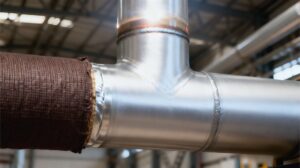
Best for: stacks, hot piping, hot equipment zones where elevated temperature is a primary constraint (project-dependent).
Why it works: high-temperature service coatings often use silicone binder chemistry for heat exposure; selection must follow operating temperature and cycling conditions.
Practical note: high-temp systems are not automatically “best” for coastal steel—only specify them where temperature drives the design, otherwise you may compromise application or cost efficiency (project-dependent).
(optional if you want a product landing):
[Silicone High-Temperature Anti-Corrosion Paint] ->
Typical Applications in Middle East
Steel structures: pipe racks, platforms, warehouses, industrial buildings (often outdoor UV exposure)
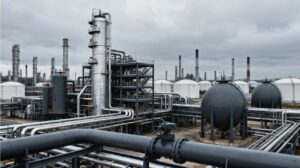
Oil & gas facilities: mixed hydrocarbon, salt, heat, and maintenance constraints (project-dependent)
Power plants: hot zones plus coastal exposure in many GCC sites (project-dependent)
Ports & coastal infrastructure: high salinity and humidity; higher corrosivity categories may apply.
Step-by-step: How to Specify the Right System (and avoid “paint-only” RFQs)
Define the exposure zone(s): coastal/offshore vs inland industrial vs desert; map to ISO 12944 categories where required by spec.
Set durability target: L/M/H/VH “time to first major maintenance” aligned with shutdown strategy.
Choose system family: zinc/epoxy/PU for outdoor steel, high-build epoxy for severe zones, silicone-based where temperature drives selection.
Lock surface preparation + QC: surface prep, stripe coat details, DFT and holiday checks as acceptance criteria (final by spec).
Decision rule (simple):
If outdoor + UV: include a UV-stable topcoat (often PU) over epoxy.
If severe coastal + limited access: consider high-build/solvent-free epoxy to hit DFT with fewer coats (confirm applicator capability).
If steel runs hot in service: confirm operating temperature and choose a high-temperature system (often silicone-based).
Common Failures + Troubleshooting (field realities)
Early rust at edges/welds: typically insufficient film build on sharp edges; require stripe coats and verify DFT on edges, not only on flat web. (Acceptance criteria project-dependent.)
Chalking/colour fade outdoors: epoxy exposed to sun without UV-stable topcoat; solve by specifying polyurethane finish or other UV-resistant finish per system approval.
Premature wear in desert sites: wind-driven sand causes abrasive degradation; choose systems with robust topcoats and plan maintenance touch-ups in high-erosion zones.
Delamination between coats: missed recoat windows or contamination; enforce recoat interval tracking and surface cleanliness between coats (project-dependent).
Quality / Inspection Checklist (DFT, recoat, surface prep)
Surface prep (before coating):
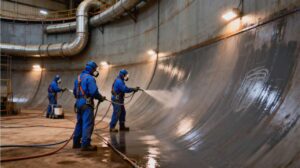
Confirm prep method and cleanliness level required by project/standard; document environmental conditions at time of blasting/coating (project-dependent).
DFT control (during/after application):
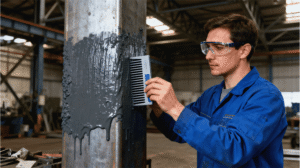
Measure DFT per coat and total system; focus on edges, welds, bolts, and cutouts.
Use DFT ranges and “nominal DFT” logic from standards/spec, then finalize targets by TDS.
Recoat interval:
Record batch, mix ratio, induction time (if any), and time/temperature/humidity between coats (project-dependent).
If outside recoat window, follow manufacturer’s surface conditioning guidance (project-dependent).
How to Choose the Right Coating Supplier for Middle East Projects
System capability (not only products): supplier should recommend a full system (primer + build + topcoat) tied to exposure and durability targets.
Customization support: ability to adjust VOC, solids, cure profile, and application tolerance for hot/humid site windows (project-dependent).
Technical support: method statements, inspection forms, and recoat/repair procedures reduce site rework and speed approvals (project-dependent).
Documentation readiness: fast TDS/SDS, batch traceability, and system compatibility statements.
(optional but strong for EPC buyers):
[Heavy Duty Anti-Corrosion Coatings for Industrial Projects] ->
RFQ Checklist (to get a fast, correct quote)
Send these details to receive a coating system recommendation + quotation + TDS list:
Country/city + distance to coast; whether offshore/splash exposure exists
Asset type: steel structure / tanks / pipelines / port works
Expected surface prep method (blast Sa 2½ or other; project-dependent)
Target durability: L/M/H/VH (time to first major maintenance)
Operating temperature range (ambient and hot zones)
UV exposure (outdoor), color/gloss requirements
Application constraints: shop vs site, humidity/condensation windows, shutdown schedule
Inspection requirements: DFT reporting format, repair procedure expectations
Documents requested: TDS/SDS, system recommendation, application & QC checklist
CTA: Request a Middle East Coating System Recommendation
If you are sourcing anti corrosion coating Middle East projects, send your environment (coastal/desert/industrial), durability target, surface prep plan, and operating temperatures. HUILI’s technical team will recommend a coating system (zinc/epoxy/PU, high-build epoxy, or high-temperature silicone) and provide quotation + TDS package aligned to your project constraints.
Contact Us
We would love to speak with you.
Feel free to reach out using the below details.