Structural steel in industrial plants, bridges, and infrastructure is constantly exposed to moisture, pollutants, and salts that can rapidly damage unprotected surfaces.
Structural steel corrosion protection using engineered coating systems is one of the most effective ways to control corrosion risk, extend design life, and avoid costly downtime.
Quick Guide
- Define the environment and target design life before choosing any structural steel coating system.
- Use multi-layer coating systems with primer, intermediate, and topcoat tailored to industrial, bridge, and offshore conditions.
- Treat surface preparation (for example to Sa 2.5 / SSPC-SP10) as a critical factor that directly affects adhesion and lifespan.
- Use zinc-rich systems for outdoor, bridge, and marine steel where cathodic protection is needed.
- For complex projects, request a system design and TDS based on ISO 12944 environment class and service life requirements.
The Cost of Corrosion in Structural Steel Projects
Corrosion in structural steel projects leads to increased maintenance, unplanned repairs, and in some cases early replacement of key components.
High-risk sectors such as industrial plants, bridges, and large infrastructure assets face especially high lifecycle costs when steel protection fails.
Direct costs include surface preparation, coating work, and access, while indirect costs include shutdowns, lost production, and traffic disruption for bridges.
Designing structural steel corrosion protection systems correctly at the start is usually much cheaper than repeated remedial work later.
Why Structural Steel Corrosion Protection Is Essential
Structural steel often operates in aggressive atmospheres ranging from industrial and coastal to full offshore exposure.
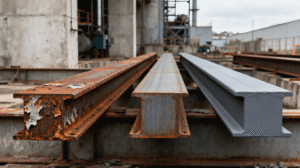
Without a robust corrosion protection system, steel sections can lose cross‑section, welds can deteriorate, and critical details can become weak points over time.
Corrosion directly impacts durability, safety, and return on investment because the cost of strengthening, replacement, or emergency repairs is high.
A well-designed coating system keeps steel in the intended condition so the structure can safely deliver its design life.
What This Guide Covers
This guide explains the main coating systems used for structural steel corrosion protection, how they are built, and where each fits.
It then uses ISO 12944 logic to show how environment and design life connect to system selection for industrial plants, bridges, and offshore projects.
You will also find a practical decision framework, common mistakes to avoid, and a CTA section focused on getting project-specific coating system recommendations and datasheets.
Definition of Structural Steel Protection Systems
Structural steel protection systems are multi-layer coating solutions designed to control corrosion over long periods in industrial and infrastructure environments.
They normally combine a primer, one or more intermediate coats, and a durable topcoat applied over prepared steel surfaces.
Core Corrosion Protection Mechanisms
- Barrier protection: Coating layers block moisture, oxygen, and contaminants from reaching the steel.
- Cathodic protection: Zinc-rich coatings sacrifice themselves to protect steel at defects and cut edges.
- Chemical resistance: Selected epoxy and other materials resist chemicals and pollutants in industrial atmospheres.
Structural steel corrosion protection refers to engineered coating systems designed to prevent steel degradation through barrier and electrochemical protection in industrial and infrastructure environments.
Why Corrosion Protection Is Critical for Structural Steel
Structural Integrity and Safety Risks
As steel corrodes and loses thickness, its load-bearing capacity and fatigue performance decrease.
Unchecked corrosion can lead to restricted use, expensive strengthening work, or in extreme cases, structural failure.
Economic Impact in Industrial Projects
In industrial plants, corrosion-related repairs often require scaffolding, access, and downtime, which can exceed the cost of the coating itself.
Bridges and infrastructure projects also face traffic management and safety costs whenever major coating work is needed.
Design Life Requirements
Many structural steel projects target design life ranges in the order of roughly 10, 15, or 25+ years before major maintenance.
Coating system design must align with these targets by using ISO 12944 durability categories and proven systems for each environment class.
Structural Steel Coating Systems
Common Coating Systems for Structural Steel
Structural steel corrosion protection typically uses combinations of epoxy, zinc-rich primers, polyurethane, and sometimes fluorocarbon topcoats.
The system choice depends on environment severity, desired service life, and whether the steel is indoors, outdoors, or offshore.
Epoxy-Based Coating Systems
Epoxy systems provide strong adhesion and very good barrier protection, making them suitable for many industrial indoor and sheltered outdoor applications.
They are commonly used as two- or three-coat systems on structural steel inside plants or in moderate environments.
Zinc-Rich Coating Systems
Zinc-rich primers deliver cathodic protection and are widely used for high-duty applications like bridges, offshore structures, and industrial steel exposed to marine conditions.
They are often combined with epoxy intermediates and polyurethane or fluorocarbon topcoats for long-term performance.
Polyurethane Topcoat Systems
Polyurethane topcoats offer UV resistance, weather durability, and a stable appearance over time.
They are usually applied over epoxy or zinc/epoxy systems on outdoor structural steel where color and gloss retention matter.
Heavy-Duty Multi-Layer Systems
Heavy-duty systems for structural steel typically use a zinc-rich primer, high-build epoxy intermediate coat, and a polyurethane or fluorocarbon topcoat.
These systems are designed for long-term protection in aggressive environments like marine, coastal, and heavy industrial zones.
Comparison Table of Coating Systems
System Type | Protection Level | Typical Lifespan Range | Typical Application
—|—|—|—
Epoxy system | Medium | Around 10–15 years before major maintenance | Industrial indoor or sheltered steel
Zinc + Epoxy + PU | High | Around 15–20 years before major maintenance | Bridges, exposed plant structures
Zinc + Epoxy + Fluorocarbon | Very high | Up toward 20–25+ years with proper maintenance | Offshore and severe marine steel
Quick Selection Summary
- General industrial indoor structural steel → epoxy-based system.
- Outdoor structural steel in urban or coastal areas → zinc-rich plus epoxy plus PU system.
- Offshore and high-splash zones → zinc-rich plus epoxy plus fluorocarbon or advanced topcoat system.
Multi-Layer Coating System Structure
Primer Layer (Zinc / Epoxy)
The primer provides first-line corrosion protection and must bond strongly to the prepared steel surface.
Zinc-rich primers add sacrificial protection, while epoxy primers emphasize barrier and adhesion on properly cleaned steel.
Intermediate Layer (Epoxy)
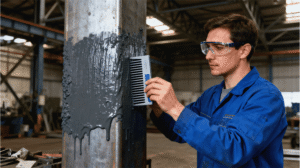
The epoxy intermediate builds DFT and reinforces barrier protection, particularly important in splash and condensation areas.
It also helps smooth the blast profile so the topcoat can form a continuous film with good appearance.
Topcoat Layer (PU / Fluorocarbon)
Polyurethane and fluorocarbon topcoats protect the system from UV, weathering, and light mechanical damage.
They maintain color and gloss, which helps visually monitor coating condition over time.
Surface Preparation Requirements
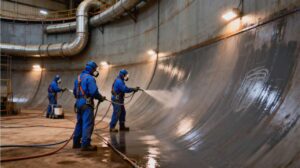
Surface preparation is one of the most critical factors in structural steel corrosion protection.
Abrasive blasting to a cleanliness level such as Sa 2.5 or comparable SSPC standards is often required for long-life systems.
Why Surface Preparation Determines Coating Performance
Poor surface preparation leads to weak adhesion, early underfilm corrosion, and rapid coating breakdown.
Even the best coating system will not reach its intended service life if contaminants, rust, or poor profile remain on the steel surface.
For an overview of primers and how they interact with surface preparation levels, see the anti-corrosion primers series.
Coating System Design Based on ISO 12944
Corrosion Environment Classification
ISO 12944 defines corrosion classes for atmospheric exposure, typically labelled C2 through C5 and, in newer editions, CX for extreme marine.
These classes help specifiers match coating systems to the severity of the environment and planned design life.
Recommended Coating Systems by Environment
- C2–C3 (low to medium corrosion): Epoxy primer plus PU topcoat for moderate durability expectations.
- C4 (industrial / coastal): Zinc-rich primer plus epoxy intermediate plus PU topcoat for higher durability ranges.
- C5 (offshore / marine): Zinc-rich primer plus high-build epoxy plus fluorocarbon topcoat for very high durability expectations.
Environment vs System Table
Environment | Coating System | Typical Use | Typical Durability Range
—|—|—|—
C3 | Epoxy + PU | Industrial plants and sheltered outdoor steel | Around 10–15 years
C4 | Zinc + Epoxy + PU | Bridges, exposed industrial frames | Around 15–20 years
C5 | Zinc + Epoxy + FC | Offshore structures and splash zones | Around 20–25+ years
For more detail on how ISO 12944 links environment, coating systems, and durability, see the ISO 12944 corrosion protection guide.
Application Areas of Structural Steel Coating
Industrial Plants
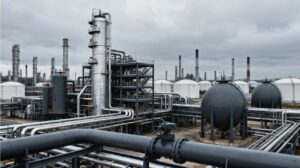
Structural frames, platforms, and pipe racks in plants operate in environments that range from mild indoor to heavy chemical and humidity exposure.
Coating systems are selected to match each zone’s environment and cleaning regime.
Bridges and Infrastructure
Bridges and infrastructure steel is exposed to weather, pollutants, de-icing salts, and traffic-related contaminants.
High-durability systems with zinc-rich primers are common here for long-term performance.
Oil & Gas and Offshore Facilities
Offshore platforms, FPSOs, and coastal steel structures experience high salinity, waves, and constant moisture.
They usually require heavy-duty systems with zinc-rich primer, high-build epoxy, and advanced topcoats, combined with rigorous inspection.
Power Plants and Energy Projects
Power plants and energy projects rely on long-life protection to avoid outages and complex access later in life.
Coating system design here must consider temperature, pollution, and inspection access over decades.
For an overview of how these systems are applied across structural steel assets, visit the steel structure coating solutions page.
Advantages of Modern Structural Steel Coating Systems
Modern structural steel coating systems are flexible to design and relatively simple to maintain or repair.
You can adapt system thickness, primer type, and topcoat technology to different zones while still using one manufacturer’s system logic.
Lifecycle Cost Advantage
By aligning systems with ISO 12944 design life categories and planned maintenance intervals, owners can optimize lifecycle cost, not just initial paint price.
Fewer major interventions over a project’s life usually outweigh the higher upfront cost of heavy-duty systems.
Coating Systems vs Galvanizing
Key Differences
Coating systems and galvanizing are both widely used for structural steel corrosion protection, and in some cases they are combined.
Parameter | Coating System | Galvanizing
—|—|—
Application | Can be applied in shop and on site, including repairs. | Typically factory-only in a zinc bath before erection.
Repairability | Local repairs and overcoating are relatively straightforward. | Repair is more complex and often less convenient on site.
Flexibility | High; suits complex shapes and many colors. | Limited by bath size and part geometry.
Lifecycle Cost | Optimizable via system design and planned maintenance. | High upfront; long life but less adaptable to changes.
When to Use Coating Systems
Coating systems are often preferred when the structure is large, complex, or partially erected before protection is completed.
They also work well where you need specific colors, branding, or local repairs and upgrades during project life.
When Galvanizing Is Suitable
Galvanizing is suitable for standardized members that fit the bath and operate in conditions where zinc performance is well understood.
Galvanized steel is often over-coated with paint systems to add color, extra barrier protection, and easier inspection.
Engineering Selection Criteria
Good structural steel corrosion protection starts with a clear view of environment, service life, and application constraints.
Key criteria include:
- Environment (ISO 12944 class: C2–C5/CX, plus immersion where applicable).
- Project type (plant, bridge, offshore, infrastructure).
- Expected service life before first major maintenance.
- Budget vs lifecycle cost and shutdown tolerance.
- Application conditions and achievable surface preparation levels, both in shop and on site.
Quick Decision Framework
- Offshore or severe marine: zinc-rich multi-layer system with high-build epoxy and durable topcoat.
- Bridges and exposed infrastructure: heavy-duty zinc + epoxy + PU system matched to C4 or C5 expectations.
- Indoor and mild industrial: epoxy-based systems with appropriate DFT and topcoat where needed.
Common Mistakes in Structural Steel Protection
Key errors to avoid include:
- Ignoring environment classification and using generic “industrial paint” for all steel.
- Using incomplete systems (for example primer only) where a full primer–intermediate–topcoat is needed.
- Allowing poor surface preparation so that required cleanliness levels like Sa 2.5 are not achieved.
- Focusing only on initial coating cost without considering design life and maintenance intervals.
Many premature failures can be traced back to these issues rather than to the coating chemistry itself.
Final Recommendations
Treat coating for structural steel as a system built around environment class, design life, and maintenance strategy rather than as a single product choice.
Combining proper surface preparation, ISO 12944-based system design, and good inspection practices is the most reliable way to achieve stable long-term performance.
Working closely with a manufacturer that understands environment, detailing, and application constraints helps align technical performance with budget and shutdown planning.
Frequently Asked Questions
What is the best corrosion protection for structural steel?
The best solution depends on environment class, project type, and desired service life.
For most outdoor and marine structures, zinc-rich plus epoxy plus polyurethane or fluorocarbon systems are strong starting points.
How long does structural steel coating last?
Service life depends on system design and environment, but ISO 12944 uses durability ranges that can extend up toward and beyond about 25 years for high-duty systems.
Reaching these ranges requires correct surface preparation, DFT control, and planned maintenance.
What coating system is used for bridges?
Many steel bridges use zinc-rich primer, high-build epoxy intermediate, and polyurethane topcoat designed for C4 or C5 environments.
Exact selection should consider de-icing salts, pollution, and inspection access.
Is zinc coating necessary for structural steel?
Zinc-rich systems are highly recommended where corrosion risk is high, such as coastal, industrial, or marine environments.
In milder indoor conditions, epoxy systems without zinc can still deliver adequate protection when correctly designed.
Can structural steel coating be applied on-site?
Yes, many systems are designed for both shop and site application and for maintenance over existing systems.
Site work requires control over weather, surface preparation, and access to achieve the intended performance.
What is the difference between epoxy and polyurethane coating?
Epoxy is primarily used for adhesion and barrier protection as primer and intermediate layers.
Polyurethane is mainly used as a topcoat where UV resistance, color, and gloss retention are important.
What coating system is best for offshore structures?
Offshore structures typically need zinc-rich primer, high-build epoxy, and a high-performance topcoat such as polyurethane or fluorocarbon designed for C5/CX exposure.
System design should be confirmed against ISO 12944 environment class, splash zone conditions, and inspection plans.
Technical Note
Structural steel corrosion protection systems must be selected according to environment classification, structural detailing, surface preparation level, and project-specific standards.
Always confirm final system build-up, DFT ranges, and inspection requirements against the latest TDS, ISO 12944 guidance, and project specification before ordering or application.
Get a Customized Structural Steel Coating Solution
To receive a customized structural steel corrosion protection system, send your ISO 12944 environment class if known, project type (plant, bridge, offshore), targeted service life range, surface preparation condition, and shop vs site application plan.
You can share this information through our contact so our corrosion engineers can propose suitable coating systems, provide relevant TDS, and help you prepare a clear RFQ package for your steel structures.