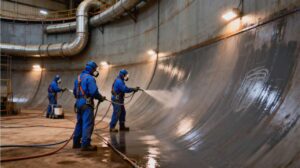
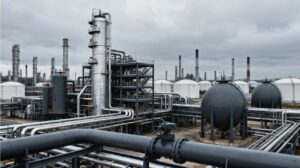
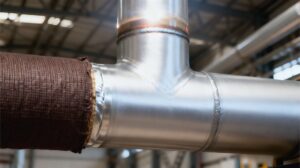
Fireproof coatings on steel structures, equipment, and concrete do not provide lifelong protection without ongoing attention, especially in industrial settings with mechanical stress, chemicals, and weathering.
Regular maintenance schedules for fireproof coatings ensure the system remains capable of delivering its rated performance during an incident.
This guide provides practical inspection checklists, damage signs, and repair principles to help owners manage fireproofing as a long-term asset rather than a one-time application.
Quick Guide
- Schedule routine visual inspections every 12 months for industrial fireproof coatings, more frequently in high-impact areas.
- Check for cracks, blisters, rust bleed, contamination, and mechanical damage during each inspection.
- Repair minor damage promptly by cutting back to sound substrate and matching the original system layers.
- Document all inspections and repairs with photos, locations, and material records for compliance and future reference.
- Combine fireproof coating checks with corrosion inspections to minimize shutdowns in operating plants.
Why Maintenance Matters for Fireproof Coatings
Fireproof coatings are tested and rated assuming intact condition; damage from impacts, leaks, or weathering reduces actual protection time.
In industrial environments, forklifts, pipe leaks, cleaning chemicals, UV exposure, and temperature swings accelerate degradation.
Many failures result from gradual neglect rather than sudden events, leading to costly full recoats instead of simple spot repairs.
Proactive maintenance preserves the investment and maintains compliance with building and insurance requirements.
Typical Maintenance Schedules for Industrial Fireproofing Coatings
Maintenance frequency depends on environment and usage, but industrial sites should prioritize higher-risk areas.
- Ordinary indoor environments (office buildings, machine rooms, indoor steel): Full check within 1 year of completion to catch construction defects, then every 3–5 years.
- Industrial/warehouse environments (medium mechanical and chemical stress): Annual routine inspections, focusing on walkways, loading areas, and humid zones.
- Harsh industrial/coastal/outdoor (heavy corrosion or impact): Comprehensive annual inspections, plus checks after major repairs, equipment changes, or modifications.
If frequent impacts or chemical splashes are present, shorten intervals and combine with corrosion surveys to reduce total downtime.
What to Look for During Fireproof Coating Inspections
Focus on visual signs that indicate reduced performance, without needing specialized equipment for routine checks.
- Mechanical damage: Scratches, dents, chips, or gouges from impacts.
- Cracks and blisters: Surface cracking, bubbling, or delamination suggesting adhesion issues.
- Corrosion signs: Rust bleeding through on steel, concrete spalling, or rebar exposure.
- Discoloration and chalking: Fading, powdering, or loss of integrity from UV or aging.
- Contamination and moisture: Oil stains, chemical residues, or chronic dampness.
- Edges and details: Gaps at bolts, welds, corners, wall penetrations, and pipe interfaces.
Always cross-reference with original drawings to prioritize fire-critical members like beams and columns.
Maintenance Checklist for Fireproof Coatings
Use this printable checklist during inspections; adapt columns for digital or paper use.
| Check Item | Content | Record (✓/Notes/Photos) |
|---|---|---|
| Area Information | Area number/floor/member ID | |
| Surface Integrity | Cracks, delamination, blisters, chips | |
| Corrosion Condition | Rust bleed, spalling, rebar exposure | Grade + photo |
| Contamination/Moisture | Oil, chemicals, water pooling | Description |
| Mechanical Risk | High-impact path (forklift routes) | Yes/No |
| Recent Changes | Modifications, drilling, welding | Details |
| Repair History | Last recoat date and material | Record |
For high-temperature fireproofing coatings near equipment, add checks for heat blistering or soot buildup.
When Is Repair or Recoating Required?
Classify damage to decide urgency without redoing full thickness calculations.
- Minor cosmetic issues (chalking, slight discoloration): Monitor during routine schedule; recoat during major shutdowns.
- Localized damage (small exposed substrate): Repair within 3–6 months, especially on critical members.
- Major failure (large delamination, steel exposure, heavy corrosion): Plan comprehensive repair, possibly including substrate treatment and full system rebuild.
Manufacturer assessment is recommended for repairs to avoid invalidating tested ratings.
Basic Repair Procedures for Fireproof Coatings
Follow these general steps for compatibility with original systems.
- Outline damaged area and remove loose material to sound substrate.
- Clean corrosion, contaminants, and salts; achieve suitable profile if steel is exposed.
- Apply compatible primer, then fireproof layer, matching adjacent DFT where possible.
- Feather edges for smooth transition and apply topcoat if original system had one.
- Document materials, batch numbers, date, and weather for records.
For fire-resistant coating systems, review TDS for exact recoat compatibility.
Documentation and Record-Keeping
Maintain a centralized log for compliance and future inspections.
- Original installation: System details, TDS, as-built DFT records.
- Each inspection: Date, inspector, findings, photos, recommendations.
- Each repair: Area, materials used, method, conditions.
These records support audits, insurance claims, and asset sales.
Special Considerations for Industrial Fireproofing Coatings
Industrial fireproofing coatings face extra challenges from equipment vibration, leaks, and cleaning.
- Equipment zones, pipe racks, and tank supports need more frequent checks due to chemical and impact risks.
- High-temperature areas near furnaces or stacks require monitoring for thermal shock and soot.
- Align inspections with planned outages to control costs.
For high-temperature industrial coatings, factor in heat cycling during checks.
Frequently Asked Questions
How often should fireproof coatings be inspected in industrial plants?
Annual inspections are standard for industrial settings, with more frequent checks in high-risk areas like loading docks or chemical zones.
What are typical signs that a fireproof coating needs repair?
Look for cracks, blisters, rust bleed, contamination, or mechanical damage; minor issues can wait, but substrate exposure requires prompt action.
Can minor surface rust be ignored if the coating is still mostly intact?
Minor rust bleed often signals moisture under the coating, which can worsen; assess and repair to avoid larger failures.
Is it necessary to use the same brand for repair?
Compatible systems are preferred to match performance, but consult the original TDS for approved alternatives.
Who should perform inspections – in-house team or external specialists?
In-house teams handle routine visual checks; external specialists are best for damage assessment and repairs.
Technical Note
Maintenance schedules for fireproof coatings depend on environment, usage, and system type; always verify against original TDS and project standards.
Confirm repair materials and methods with manufacturer data sheets before work to ensure compatibility and performance.
Get a Customized Fireproof Coating Repair Recommendation
If your fireproof coatings show damage or are due for inspection, send photos, location details, last maintenance date, and environment info through our industrial fireproofing inquiry form.
Our team will review and provide practical repair options, compatible materials, and a customized checklist for your site.