Steel pipelines are the lifelines of industrial infrastructure, yet they are constantly under attack from environmental and electrochemical forces. Selecting the correct anti-corrosion external coating for steel pipe is the single most important decision for ensuring asset integrity and preventing catastrophic leaks.
Quick Selection Guide for Pipeline Engineers
- Standard Buried Service: 3LPE (3-Layer Polyethylene) for maximum mechanical and moisture resistance.
- High-Temperature Fluids: 3LPP (3-Layer Polypropylene) for operating temperatures exceeding 80°C.
- Single-Layer Performance: FBE (Fusion Bonded Epoxy) for excellent adhesion and cathodic protection compatibility.
- Low-Cost/Temporary: Bituminous coating for steel for short-term or low-criticality utility lines.
Corrosion Challenges in Steel Pipelines
Underground and exposed pipelines face aggressive degradation factors that vary significantly by region. In Southeast Asia, high water tables and soil acidity are the primary concerns. In the Middle East, the combination of high ambient temperatures and saline coastal soils accelerates electrochemical reactions.
Primary Risks Include:
- Soil Moisture and Chemistry: Salts, bacteria, and varying pH levels create localized pitting.
- Stray Currents: Electrical interference from nearby power lines or rail systems can cause rapid metal loss.
- Mechanical Damage: Impact during backfilling or soil stress during seasonal shifts can crack inferior coatings.
What Is Anti-Corrosion External Coating for Steel Pipe?
An anti-corrosion external coating for steel pipe is a specialized protective system applied to the exterior surface to isolate the metal from its environment. Unlike internal linings, external coatings must withstand soil stress, UV exposure, and mechanical handling.
Technical Definition: These systems provide a combination of barrier protection (blocking water/oxygen) and compatibility with cathodic protection (CP) to ensure that any “holidays” or small gaps in the coating are electrochemically managed.
Common External Coating Systems for Steel Pipes
Bituminous Coating for Steel Pipes
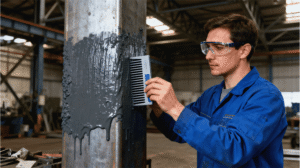
Often referred to as “tar coating,” this is a traditional, legacy system. While it offers a low initial CAPEX, it is increasingly being replaced in high-value infrastructure due to its susceptibility to soil stress and relatively short service life of 5–10 years.
Fusion Bonded Epoxy (FBE) Coating
FBE is a high-performance thermoset polymer. It provides a tough, uniform film with excellent chemical resistance. Engineers prefer FBE because it does not shield cathodic protection currents, making it ideal for long-distance oil and gas transmission. Discover more about anti-corrosion primers used in these high-stakes environments.
3-Layer Polyethylene (3LPE) Coating
This is the “Gold Standard” for buried pipelines. It consists of:
- FBE Primer: For superior adhesion and corrosion resistance.
- Copolymer Adhesive: To bond the layers.
- Polyethylene Top Layer: For rugged mechanical protection and water impermeability.
Comparison Table: Pipeline Coating Performance
| Coating Type | Protection Level | Mechanical Strength | Temperature Limit | Service Life |
| Bituminous | Low | Low | < 50°C | 5–10 Years |
| FBE | Medium | Medium | Up to 110°C | 15–20 Years |
| 3LPE | High | High | < 80°C | 25–30+ Years |
| 3LPP | Very High | Very High | Up to 140°C | 25–30+ Years |
Coating System Design Based on ISO 12944 and Pipeline Standards
Designing a system requires more than just picking a material; it requires understanding the interaction between the coating and the cathodic protection (CP) system. High-quality coatings reduce the “current demand” on the CP system, extending the life of anodes and reducing operational costs.
For heavy-duty industrial assets, our steel structure coating solutions follow rigorous ISO 12944 standards to match environmental categories from C5-M (Marine) to CX (Extreme).
Key Selection Factors:
- Soil Resistivity: Highly conductive soils require more robust 3-layer systems.
- Installation Method: Factory-applied coatings are superior to field-applied tapes or liquids for main runs.
- Field Joints: Remember that the field joint coating (FJC) must match the performance of the main line coating.
Common Mistakes in Pipeline Coating Selection
- Prioritizing Price over Lifecycle: Selecting a bituminous coating for steel for a 20-year project often leads to failure by year 7.
- Ignoring Soil Stress: Clay-rich soils “pull” on coatings as they wet and dry; thin-film FBE may require an additional abrasion-resistant overcoat (ARO) in these areas.
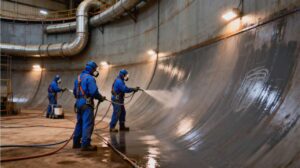
- Inadequate Surface Prep: No coating will perform without a near-white metal blast (Sa 2.5) to ensure a proper anchor profile.
FAQ
What is the best anti-corrosion coating for steel pipes?
For buried long-term assets, 3LPE is generally considered the best due to its balance of corrosion protection and mechanical toughness.
How long does pipeline coating last?
Modern multi-layer systems like 3LPE and 3LPP are designed for service lives exceeding 25–30 years when combined with cathodic protection.
What is the difference between FBE and 3LPE?
FBE is a single-layer epoxy with great adhesion but lower mechanical impact resistance. 3LPE adds a polyethylene outer shell for much higher physical protection.
Can pipeline coatings be repaired on-site?
Yes, liquid-applied epoxies or heat-shrink sleeves are commonly used for field joint coating and small repair areas.
Plan Your Pipeline Protection System
Selecting the right anti-corrosion external coating for steel pipe requires a technical analysis of your specific project environment. Our engineering team provides full system recommendations to ensure compliance with international standards like ISO 12944.
Technical Note / Disclaimer: Coating performance is highly dependent on surface preparation, application conditions, and soil chemistry. Always verify final Dry Film Thickness (DFT) and application parameters against the specific Technical Datasheet (TDS) and project specifications provided by the manufacturer.
Request a Custom Solution:
Contact our technical department for:
- Project-specific coating system design.
- Full Technical Datasheets (TDS) and MSDS.
- Competitive RFQ for industrial pipeline projects in the Middle East and SE Asia.