
What Is Cathodic Disbondment — and Why Does It Matter for Pipeline and Immersion Coatings?
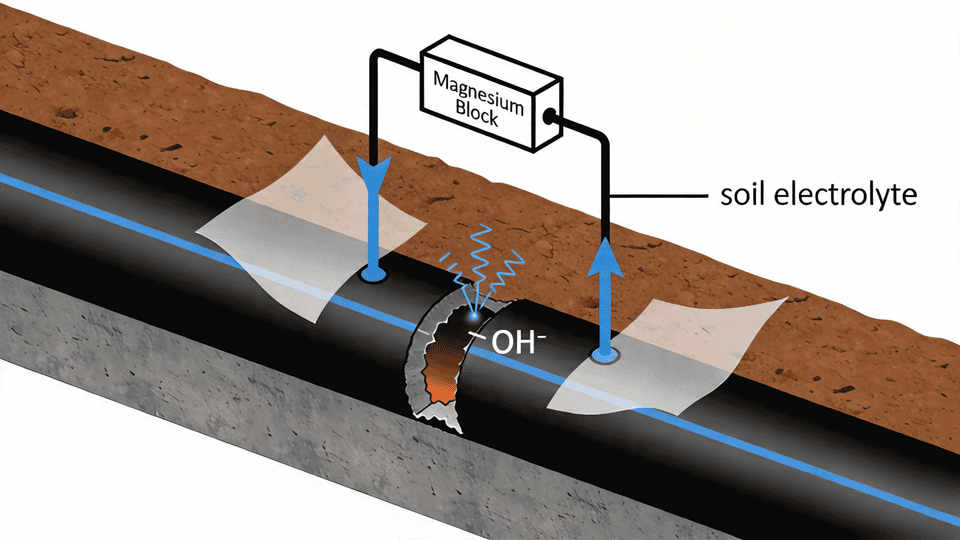
Cathodic disbondment (CD) is one of those coating failure modes that sounds technical enough to be dismissed as someone else’s problem — until you’re dealing with a pipeline that’s corroding despite being both coated and cathodically protected. It’s actually a fairly elegant failure mechanism once you understand it. And understanding it explains why ‘good coating […]
What Is Pot Life in Epoxy Coating — and What Happens If You Ignore It?
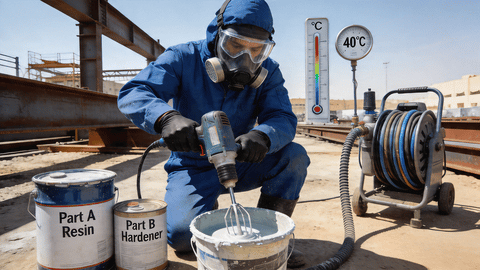
Pot life is one of those properties that gets noted on a technical data sheet, acknowledged in a safety briefing, and then quietly forgotten during a busy application day — particularly in hot weather when the project is running behind. That’s when things go wrong. In two-component epoxy systems (and polyurethane, and most zinc rich […]
What Is a Zinc Rich Primer — and Why Is It Specified for Structural Steel?
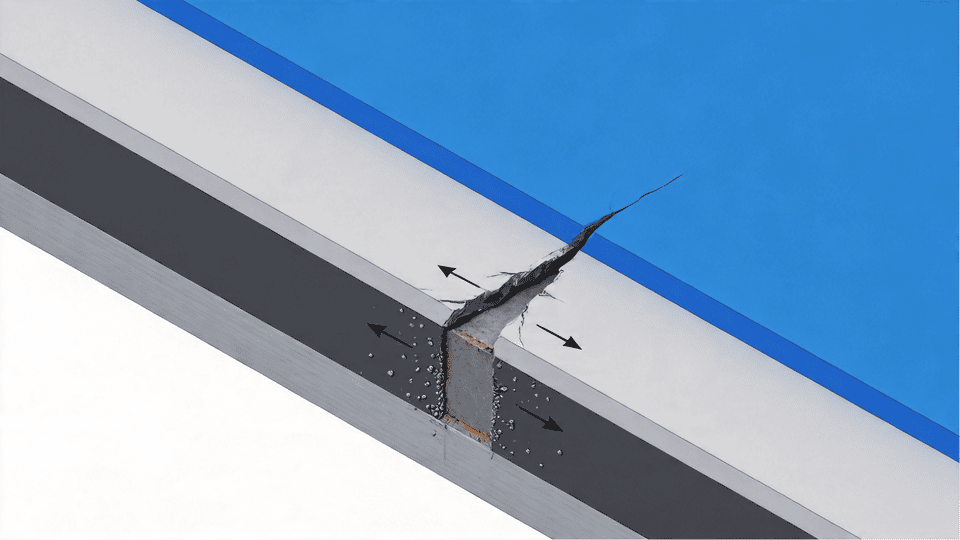
Ask a coating engineer what primer they’d put on structural steel in a coastal or offshore environment, and the answer is almost always zinc rich. It’s been the standard for demanding corrosion protection for decades. But the reasoning behind it — why zinc specifically, how the protection mechanism actually works, and why the zinc content […]