Промышленное нескользящее покрытие используется для снижения риска поскользнуться на полах, площадках, ступенях лестниц, подъёмниках, стальными плитами, проходами и зонами обслуживания, подверженными воде, маслу, пыли, химикатам или интенсивному движению. Для промышленных покупателей ключевым является не просто желание “сделать пол более шероховатым”, а как подобрать систему покрытия, фактуру заполнителя, основание, нагрузку и очистку […]
Это руководство написано для руководителей объектов, EPC-подрядчиков, менеджеров по безопасности, обслуживающих бригад, исполнителей покрытий и закупщиков, которым нужен практичный способ специфицировать промышленное антискользящее покрытие для мастерских, зон очистки сточных вод, зон погрузки, стальных платформ и влажных или жирных рабочих поверхностей.
Для чего предназначено промышленное нескользящее покрытие
Промышленное нескользящее покрытие призвано создавать текстурированную, долговечнуюWalking или рабочую поверхность, которая снижает риск спотыкания в условиях влажности, масел, пыли или высокой нагрузки в промышленных условиях. Обычно оно сочетает связующее для покрытия с заполнителем или текстурой поверхности для увеличения сцепления при конкретных условиях эксплуатации.
В промышленном использовании нескользящие свойства зависят от большего, чем шероховатость покрытия. Финальная поверхность должна также сопротивляться износу, моющим химикатам, загрязнению маслом, коррозии под покрытием и механическим повреждениям от пешеходного или автомобильного трафика.
Системы промышленной нескользящей защиты могут применяться на:
- бетонных полах;
- стальных платформах;
- стальных ступенях лестниц;
- прохожих дорожках;
- пандусах;
- стыковочных доках;
- областях доступа к оборудованию;
- проходах вдоль сточных вод;
- наружные маршруты обслуживания;
- мокрые производственные зоны.
Для более широких проектов функций в специализации, специализированные промышленные системы покрытий могут рассматриваться, когда требование противоскольжения сочетается с химической устойчивостью, абразивостойкостью или особыми функциями безопасности.
Термины покрытия: противоскольное, антискользящее и неоскользящее
противоскольное, антискользящее и неоскользящее покрытие часто используют для описания одной и той же потребности проекта: текстурированная поверхность, которая улучшает сцепление при ходьбе или работе. В спецификациях точный термин менее важен, чем требуемая основа, условия воздействия, текстура, нагрузка от движения и метод испытания.
Обычно встречаются формулировки:
- промышленное противоскользящее покрытие;
- промышленное антискользящее покрытие;
- промышленное неоскользящее покрытие;
- покрытие противоскольжения для стальной пластины;
- покрытие антискользящее для стали;
- текстурированное защитное покрытие;
- coating for safety walkway.
Для SEO и закупок эти термины могут встречаться по-разному. Для инженерной работы их следует рассматривать как один проект:
Какая текстура поверхности и какая система покрытия требуются для этой промышленной зоны?
Почему Rougher не всегда безопаснее
Грубая текстура покрытия не всегда безопасна, потому что чрезмерная текстура может задерживать масло, грязь, химические вещества и остатки процессов, что усложняет очистку поверхности. Если заполнение слишком крупное для движения и метода очистки, покрытие может стать неудобным, трудным для мытья или более подверженным повреждениям на подозрительных участках.
Цель — сбалансированная текстура:
- достаточная сопротивляемость скольжению в влажных или маслянистых условиях;
- достаточная прочность для изнашивания при движении;
- достаточная чистопроводимость для объекта;
- достаточное сцепление покрытия для фиксации заполнителя;
- достаточная защита от коррозии там, где участвуют стали.
Поверхность с нескользящими свойствами, которую не удается должным образом очистить, может снова стать скользкой после накопления масла, водорослей, пыли или остатков химических веществ.
Где необходима промышленная антискользящая конструкция
Промышленная антискользяшая поверхность необходима там, где рабочие ходят, поднимаются, работают оборудованиями или обслуживают активы на поверхностях, подверженных воздействию воды, масла, пыли, химических веществ или механическому износу. Требования OSHA к рабочим поверхностям подчеркивают, что помещения должны поддерживаться чистыми и, по возможности, сухими, но во многих промышленных условиях они не могут оставаться сухими во время обычной эксплуатации. В таких случаях дизайн поверхности становится частью стратегии безопасности.
Мокрые полы и зоны промывки
Мокрые полы и зоны промывки требуют нескользящего покрытия, потому что водяная пленка, моющее средство, водоросли или процессная жидкость могут быстро снижать сцепление. Это распространено на станциях очистки сточных вод, в зонах охладительных башен, зонах мытья, производственных полах и хозяйственных помещениях.
Типичные требования включают:
- вязкая связующая для водостойкого покрытия;
- средняя текстура для сцепления при ходьбе;
- чистопригодная поверхность профиля;
- устойчивость к моющим средствам или чистящим химикатам;
- хорошая адгезия к бетону или стали;
- детализация кромок возле стоков и швов.
Для влажных промышленных конструкций, покрытия для сточных вод и влажных промышленных зон могут быть актуальны, когда нужно сочетать нескользящую характеристику с воздействием влаги или стойкостью к сточным водам.
Зоны oily machinery и обслуживания
Зоны с масляными машинами требуют противоскользящего покрытия, потому что гидравлическое масло, смазка, охлаждающая жидкость и остатки обслуживания могут создать устойчивый скользкий слой. Гладкое покрытие может выглядеть чистым, но становиться небезопасным при наличии масла.
Распространенные зоны включают:
- зоны гидравлического оборудования;
- помещения насосных станций;
- помещения компрессоров;
- площадки обслуживания оборудования;
- пешеходные дорожки обслуживания;
- маршруты осмотра оборудования.
В этих областях покрытие должно быть стойким к воздействию масла и методам очистки. Текстурированная поверхность может улучшать сцепление, но также необходим план уборки, чтобы масло не задерживалось между вершинами заполнителей.
Стальные платформы, лестницы и переходы
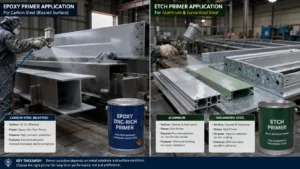
Стальные площадки, лестницы и настилы нуждаются в противоскользящем покрытии, когда дождь, пыль, масло, конденсат или изношенная стальная пластина создают риск скольжения. Стальные поверхности также требуют защиты от коррозии, поэтому противоскользящий слой обычно должен быть частью системы грунтовки и верхнего слоя, а не текстурного слоя, нанесенного напрямую на необработанный металл.
Промышленные стальные участки могут включать:
- ступени лестницы;
- платформы доступа к перилам;
- перекладины настила трубопроводов;
- погрузочные площадки;
- обслуживающие мостики;
- площадки с противоскользящей плитой;
- зоны ремонта стальных решеток.
Для стальных платформ, которым также требуется защита от коррозии, противоскользящее покрытие должно соответствовать проектированию системы покрытий стальной конструкции а не рассматриваться как самостоятельное покрытие пола.
Погрузочные доки и индустриальные полы с высоким трафиком
Погрузочные доки и индустриальные полы с высоким трафиком требуют более прочного противоскользящего и износостойкого слоя, поскольку погрузчики, паллеты, тележки и колеса из стали могут разрушать текстуру поверхности. Риск заключается не только в скользкости; это со временем приводит к потере текстуры.
У участков с большой интенсивностью движения необходимы:
- прочнее заполнение;
- лучшее закрепление верхнего слоя;
- абразионностойкий связующий;
- ремонтопригодный дизайн покрытия;
- четкие сигнальные надписи по безопасности;
- график технического обслуживания и осмотров.
Если износ движенияpolishes the aggregate or removes the textured layer, the surface can become smooth again even if the coating is still bonded.
Выберите подходящую систему покрытия и текстуру заполнителя
Правильная система нескользящего покрытия выбирается по основанию, воздействию жидкостей, нагрузке от транспорта, требованию текстуры и способу очистки. Связующий удерживает заполнитель, в то время как заполнитель создаёт профиль сцепления; оба должны соответствовать условиям эксплуатации.
Эпоксидные системы нескользящих покрытий
Эпоксидные нескользящие системы обычно применяются на подготовленном бетоне или стали там, где требуется прочное сцепление, толстый слой и распределение заполнителя. Они могут быть пригодны для внутренних полов, зон с оборудованием, пешеходных дорожек и зон обслуживания.
Эпоксидная противоскользящая система может включать:
- праймер для адгезии к основанию;
- эпоксидная базовая краска с высоким уровнем сборки;
- мелкое напыление заполнителя;
- защитная или финишная краска под закрепление;
- опциональная разметка линии либо цвет безопасности.
Эпоксидные системы могут обеспечивать хорошую адгезию и износостойкость, но ультрафиолетовое воздействие на улице может вызывать меление, если не защищено подходящей финишной краской.
Неп滑ная полиуретановая покрытия для УФ и погодостойкости
Неплавкое полиуретановое покрытие полезно, когда проект требует текстуру плюс лучшую устойчивость к ультрафиолету, сохранение цвета или погодостойкость. Финишное покрытие из полиуретана может использоваться для закрепления заполнителя и защиты отделки в выбранных наружных или полуарочных зонах.
Полиуретановое противоскользящее покрытие можно рассмотреть для:
- наружные платформы;
- наружные пешеходные дорожки;
- пути доступа к оборудованию;
- предупредительные цветовые обозначения безопасности;
- умеренные зоны брызг химикатов;
- вопросы, требующие лучшей блеска или сохранения цвета.
Для проектов, где химия ПИУ входит в выбранную систему, полиуретановые антикоррозионные покрытия могут поддерживать выбор верхнего слоя. Нispensная текстура противоскольжения должна быть указана отдельно.
Тип заполнителя и размер зерна
Тип заполнителя и размер зерна контролируют текстуру, прочность, очистку и комфортность индустриальной поверхности противоскольжения. Тонкий заполнителят легче очищается, но может обеспечить меньшую сцепку в жирных или мокрых зонах. Грубый заполнителят улучшает сцепление, но может быть труднее чистить и более подвержен износу от трафика.
Распространенные варианты заполнителей включают:
- диасильцевый песок;
- оксид алюминия;
- неодимный заполнител;
- облагоженный кварц;
- части износостойких материалов для специальных условий эксплуатации.
Здесь следует выбрать совокупность по следующим критериям:
- пешеходный или автомобильный поток;
- условия: влажные, маслянистые или сухие;
- метод очистки;
- химическое воздействие;
- требуемая текстура;
- внутреннее или внешнее обслуживание;
- ожидается цикл технического обслуживания.
Для многих проектов средняя текстура более практична, чем крайне крупная поверхность, поскольку она сочетает сцепление с легкостью очистки.
Совместите нескользящее покрытие с зоной, жидкостью и риском передвижения
Промышленное нескользящее покрытие следует подбирать по зоне и воздействию, потому что влажные полы, oily-машинные зоны, разгрузочные площадки и стальные платформы по-разному реагируют на воздействие. Хорошая таблица подбора помогает избежать указания одной и той же текстуры повсюду.
| Промышленная зона | Основной риск скольжения | Покрытие / направление текстуры | Ключевая проблема по обслуживанию |
|---|---|---|---|
| Мокрый пол / зона мойки | Водяная пленка, водоросли, моющее средство | Система эпоксидного или PU с средней текстурой | Очистка без полировки поверхности |
| Масляная зона оборудования | Масляная плёнка и утечки гидравлики | Грубый заполнитель с совместимым связующим | Устранение масел и удержание заполнителя |
| Стальная платформа / ступенька лестницы | Дождь, пыль, износ стального листа | Противоскользящее покрытие для стали с грунтовочной системой | Коррозия под покрытием и износ кромки |
| Loading dock | Forklift and pallet abrasion | High-wear aggregate system | Traffic wear and impact damage |
| Chemical processing floor | Chemical splash and wet walking | Chemical-resistant textured coating | Compatibility with chemicals and cleaners |
| Уличная пешеходная дорожка | Дождь, УФ-излучение, температурная смена | УФ-стабильное верхнее покрытие поверх текстурированного слоя | Выветривание и сохранение текстуры |
Если проект требует измеримой противоскольной прочности, методы испытаний можно добавить в спецификацию. ASTM E303 охватывает измерение поверхностных трениевых свойств с использованием British Pendulum Tester, однако критерии приемки должны быть определены проектным стандартом, требованиями заказчика или локальным нормативным актом по безопасности.
Избегайте распространённых промышленных незацепляющих покрытий/провалов
Промышленные нескользящие покрытия выходят из строя, когда текстура, заполнение зернистости, связующее, подготовка поверхности или обслуживание не соответствуют условиям площадки. Покрытие может оставаться видимым, но терять противоскользящие свойства, если зернистость отслоивается, изнашивается и становится заполненной маслом и грязью.
Потеря зерна и плохая связка верхнего слоя
Потеря зерна происходит, когда текстурированные частицы не надлежащим образом внедрены или зафиксированы в системе покрытия. Если зернистость выступает слишком высоко над связующим или удерживающий слой слишком тонок, дорожный трафик может выдолбить частицы.
Распространённые причины включают:
- недостаточная толщина базового слоя;
- неправильная стадия рассеивания;
- несовместимый агрегат;
- плохое покрытие верхнего слоя покрытия;
- heavy traffic before full cure;
- плохая подготовка поверхности под системой.
Контроль удержания заполнителя следует проводить во время макета или на ранней стадии нанесения, особенно на грузовых доках и стальных платформах.
Гладкие участки, вызванные износом от движения
Гладкие участки образуются, когда пешеходный трафик, перемещение погрузчика, перетаскивание паллет или уборочное оборудование изнашивают фактурную поверхность. Эти участки часто появляются вдоль пешеходных дорожек, точек поворота, опор ступеней и загрузочных зон.
Чтобы снизить этот риск, в спецификации следует учесть:
- более твердый заполнительMetric? (Note: literal translation of 'harder aggregate;');
- толще закрепляющий слой;
- ремонтопригодная текстурная система;
- определенные интервалы осмотра;
- трафик/паттерн движения;
- доступ для технического обслуживания.
Поверхность с нескользящим покрытием следует рассматривать как поддерживаемую безопасность поверхность, а не как одноразовую постоянную текстуру.
Плохая адгезия на стальной плите или старом напольном покрытии
Плохая адгезия может привести к отслаиванию противоскользящего покрытия с стальной пластины, бетона или старого напольного покрытия. Текстура не решает проблемы адгезии; она может даже увеличить напряжение на покрытие, если сцепление слабое.
Перед нанесением проверьте:
- подготовку стальной поверхности;
- прочность старого покрытия;
- загрязнение маслом и жиром;
- загрязнение растворимыми солями;
- влажностное состояние в бетоне;
- пыль после шлифовки или пескоструйной обработки;
- совместимость грунтовки.
Когда старые полы ремонтируются, подрядчик должен проверить, может ли существующее покрытие выдержать дополнительный текстурированный слой.
Текстура слишком грубая для очистки
Текстура, которая слишком грубая, может задерживать масла, шлам, порошки или химические остатки. Это серьезная проблема в отраслях, связанных с очисткой, таких как сточные воды, химия, машиностроение и пищевой сектор, где очистка является частью стратегии безопасности.
Перед выбором грубого фактуры подтвердите:
- частоту очистки;
- моющие химические вещества;
- метод мойки под давлением;
- отведение воды;
- тип остатков;
- требования к гигиене или загрязнению;
- передадут ли по поверхности тележки или погрузчики.
Поверхность с отличным сцеплением в первый день может стать опасной, если ее нельзя должным образом очистить.
Укажите правильно покрытие противоскольжения для стальных плит и платформ
Противоскользящее покрытие для стальных плит должно указываться как комбинированная система сцепления, защиты от коррозии и текстурирования. Стальные площадки и ступени часто подвергаются как риску коррозии, так и механическому износу, поэтому одной лишь текстуры недостаточно.
Противоскользящее покрытие для стальной плиты
Противоскользящее покрытие для стальной плиты обычно должно включать подготовку поверхности, совместимый грунт, слоем текстурированного покрытия и верхний слой или закрепляющий слой. Плита может быть гладкой, жирной, ржавой, оцинкованной или ранее покрытой, и каждое состояние меняет маршрут нанесения покрытия.
Важные проверки включают:
- голая сталь или оцинкованная сталь;
- гладкая плита или плитка-шашка;
- существующее состояние покрытия;
- уровень коррозии;
- требование профиля;
- тип грунтовки;
- наполнитель текстуры;
- риск износа кромки;
- подверженность дождю, маслу или химикатам.
Противоскользящее покрытие для стали не должно наноситься на рыхлую ржавчину, масло или плохо прилипшее старое покрытие.
Маркировка кромок, лестницы и маршруты доступа
Маркировка кромок и дизайн цветов безопасности должны включать при использовании противоскользящего покрытия на лестницах, платформах и маршрутах доступа. Жёлтые кромки, линии прохода и зоны опасности помогают сотрудникам распознавать перепады высот и безопасные траектории.
Распространенные зоны включают:
- кромка ступени;
- край платформы;
- маршруты доступа;
- границы зоны погрузки;
- пути обслуживания оборудования;
- пешеходные дорожки аварийного назначения.
Система маркировки также должна выдерживать нагрузку и уборку. Яркий цвет, который быстро изнашивается, может не обеспечивать долгосрочную безопасность.
Защита от коррозии плюс противоскользящие свойства
Проекты стальных платформ часто нуждаются в защите от коррозии плюс сопротивлении скольжению. Применение грунтовки и базового слоя защищает сталь, в то время как заполнители и верхний слой создают текстуру поверхности для ходьбы.
Практическая система может включать:
- абразивное пескоструение или механическую подготовку;
- антикоррозийная грунтовка;
- эпоксидное или ПУ текстурированное покрытие;
- рассеивание заполнителей;
- закрепление верхнего слоя;
- инспекция DFT и текстуры;
- план ремонта изношенных участков.
Если проект находится на открытом воздухе или рядом с химическим воздействием, следует проверить всю систему, а не только противоскользящее покрытие.
Подготовить данные для запроса котировки на промышленное противоскользящее покрытие
RFQ на промышленное против Slip coating должен включать рабочую область, основание, воздействие жидкостей, тип движения, метод очистки, требуемую текстуру и окно простоя. Без этих данных поставщик может оформить смету на покрытие, но не сможет надежно рекомендовать правильную текстуру и систему.
Данные проекта, необходимые производителю
Производителю необходимы практические данные о месте нанесения для выбора связующего, заполнителя, текстуры и метода нанесения.
Полезные данные RFQ включают:
- пол, платформа, лестница, пандус или пешеходная дорожка;
- основание: бетон, стальная пластина, оцинкованная сталь или существующее покрытие;
- помещение внутри помещения или на открытом воздухе;
- влажность, масло, пыль или химическое воздействие;
- пешеходный поток, тележки или штабелёщики;
- метод очистки;
- химические моющие средства или дезинфицирующие средства;
- требуемый цвет или маркирование по технике безопасности;
- ремонт или новое строительство;
- область покрытия;
- окно простоя;
- воздействие коррозии;
- фотографии, чертежи или план территории.
Для путей доступа к оборудованию и площадок для машин, механизма и систем покрытия оборудования также может быть актуально, когда зона противоскольжения соединяется с покрытыми структурами оборудования.
Когда HUILI может рекомендовать другую систему
HUILI может рекомендовать другую систему покрытия, когда зона подвергается высоким химическим воздействиям, значительному износу от погрузчиков, серьезной уличной коррозии, активной влаге в бетоне, погружению или горячим условиям эксплуатации. В таких случаях правильное решение может потребовать химически стойкого покрытия, эпоксидной системы высокого слоя, верхнего покрытия из полиуретана или другой специализированной системы вместо простой противоскользящей отделки.
Возможные альтернативные рекомендации включают:
- система противоскольжения из эпоксидной смолы высокого слоя;
- верхнее покрытие из полиуретана поверх текстурированной основы;
- химически стойкое текстурированное покрытие;
- праймер для стальной конструкции плюс противоскользящее покрытие;
- покрытие для влажной зоны;
- процедура ремонта и повторного покрытия старых полов.
Самая безопасная рекомендация зависит от условий участка, а не только от названия продукта.
Часто задаваемые вопросы
Какое лучшее промышленное противоскользящее покрытие для влажных полов?
Лучшее промышленное противоскользящее покрытие для влажных полов обычно представляет собой текстурированную систему эпоксидной смолы или полиuretана, учитывающую воздействие воды, способ очистки, уровень движения и состояние основания. Средняя текстура с заполнителем обычно практична, так как она улучшает сцепление и при этом легче чистится, чем очень крупная поверхность.
Можно ли нанести противоскользящее покрытие на стальную плиту?
Да, противоскользящее покрытие можно нанести на стальной лист, если сталь должным образом очистили, профилировали, грунтовали и совместимы с системой покрытия. Для наружных стальных платформ или ступеней система должна обеспечивать как защиту от коррозии, так и противоскользящую текстуру.
Какой агрегат используется в промышленном противоскользящем покрытии?
Промышленное противоскользящее покрытие может использовать кварцевый песок, оксид алюминия, гранулированный кварц или другой неметаллический агрегат в зависимости от нагрузки, химического воздействия, способов очистки и требуемой текстуры. Оксид алюминия часто выбирается там, где необходима более высокая износостойкость.
Подходит ли противоскользящее покрытие на основе полиуретана для работы на открытом воздухе?
Противоскользящее покрытие на основе полиуретана может подходить для наружного применения, когда система разработана для воздействия УФ, атмосферных условий, движения основания, требуемой толщины слоя (DFT) и удержания заполнителя. Для тяжелых условий C4/C5, прибрежной зоны или химического воздействия грунтовка и промежуточное покрытие также должны рассматриваться.
Почему промышленные нескользящие покрытия со временем теряют текстуру?
Промышленные нескользящие покрытия теряют текстуру из-за износа во время движения транспорта, перемещения погрузчиков, изнашивания при уборке, плохого сцепления зерна с поверхностью, химического воздействия или недостаточного слоя верхнего покрытия, который снимает или сглаживает текстуру. В местах с высоким износом следует проводить обследование и ремонт до того, как поверхность станет скользкой.
Запрос на рекомендацию промышленного нескользящего покрытия
Промышленное нескользящее покрытие следует подбирать по рабочей зоне, основанию, воздействию жидкости, нагрузке на движение, способу очистки, требуемой текстуре и плану технического обслуживания. HUILI может проверить, нужен ли вашему проекту текстурированный эпоксидный слой, противоскользящее покрытие на основе полиуретана, защита стальных платформ или другая специализированная система.
Для более точной рекомендации отправьте:
- детали пола, платформы, ступени, пандуса или пешеходной дорожки;
- тип основания;
- внутреннего или внешнего воздействия;
- условия влажности, масла, пыли или химических веществ;
- пешеходный поток, движение погрузчиков или перемещение паллет;
- метод очистки и химикаты для очистки;
- желаемый уровень текстуры;
- требование к цвету или маркировке безопасности;
- коррозионное воздействие, если сталь задействована;
- объем работ по ремонту или новому строительству;
- окно простоя;
- чертежи, фотографии или размер области.
Отправьте свои данные через индустриальное антискользящее покрытие, запрос по проекту страница, чтобы техническая команда могла поддержать выбор системы, планирование текстуры, обзор TDS и подготовку RFC.