
Offshore Wind Turbine Coating System: Corrosion Protection for Towers, Foundations & Marine Structures
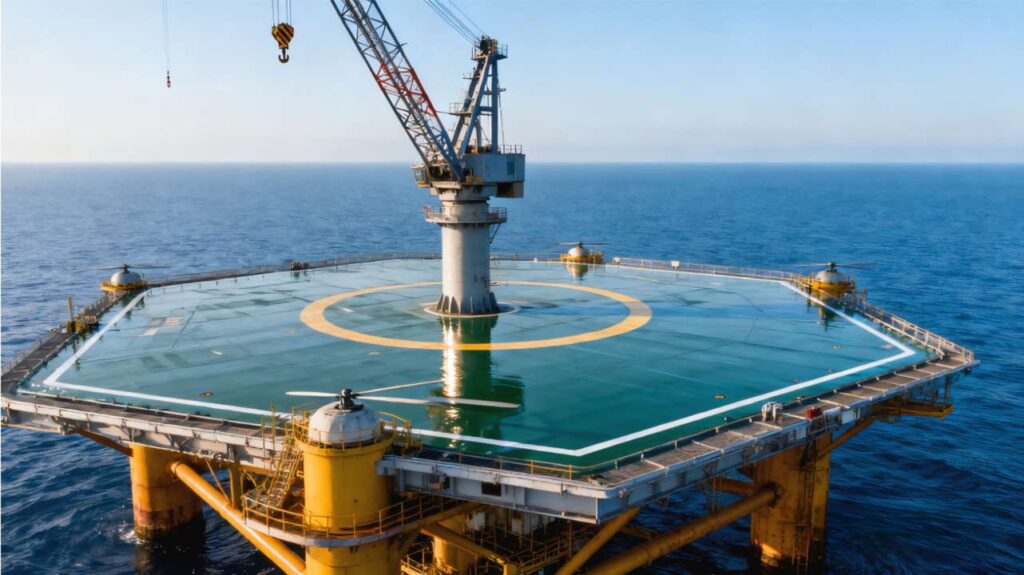
Corrosion challenges that offshore wind cannot ignore Offshore wind structures see multiple corrosion mechanisms across zones, and each zone needs a different protection strategy to reach a 20–30 year service-life target with manageable maintenance.Atmospheric exposure combines salt deposition, high humidity, and UV, while splash and tidal zones add repeated wetting, impact, and abrasion that accelerate […]
C5-M & CX Marine Corrosion Protection: ISO 12944 Coating Systems for Offshore and Coastal Steel
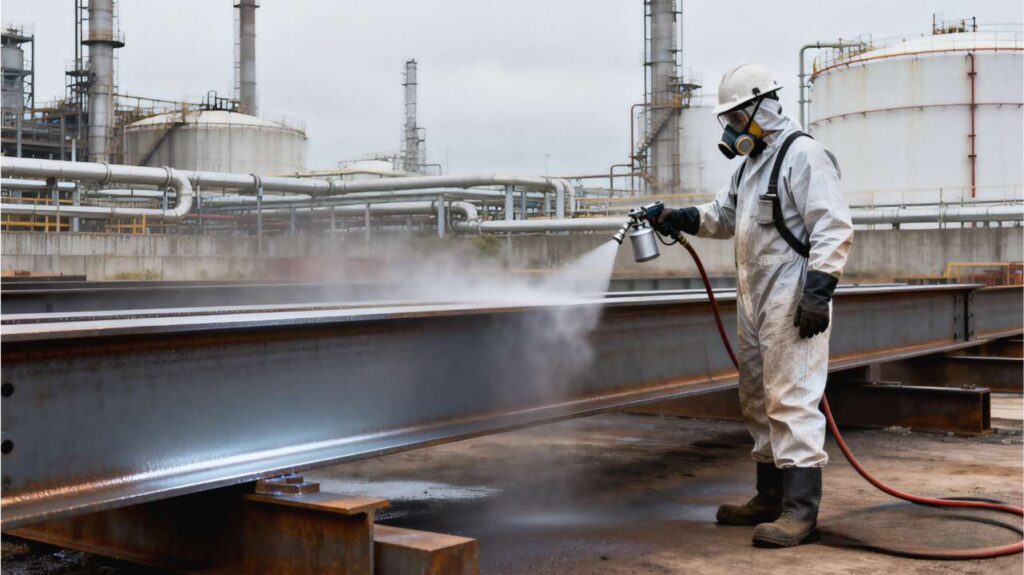
Marine corrosion is one of the most aggressive degradation mechanisms affecting steel structures worldwide. Offshore platforms, port facilities, coastal bridges, shipyards, marine storage tanks, and near-shore industrial plants are constantly exposed to salt-laden atmospheres, high humidity, UV radiation, and cyclic wet–dry conditions. In such environments, coating failure is not merely cosmetic — it directly impacts […]
NACE Coating Standards Explained: Surface Preparation, Corrosion Severity and System Selection
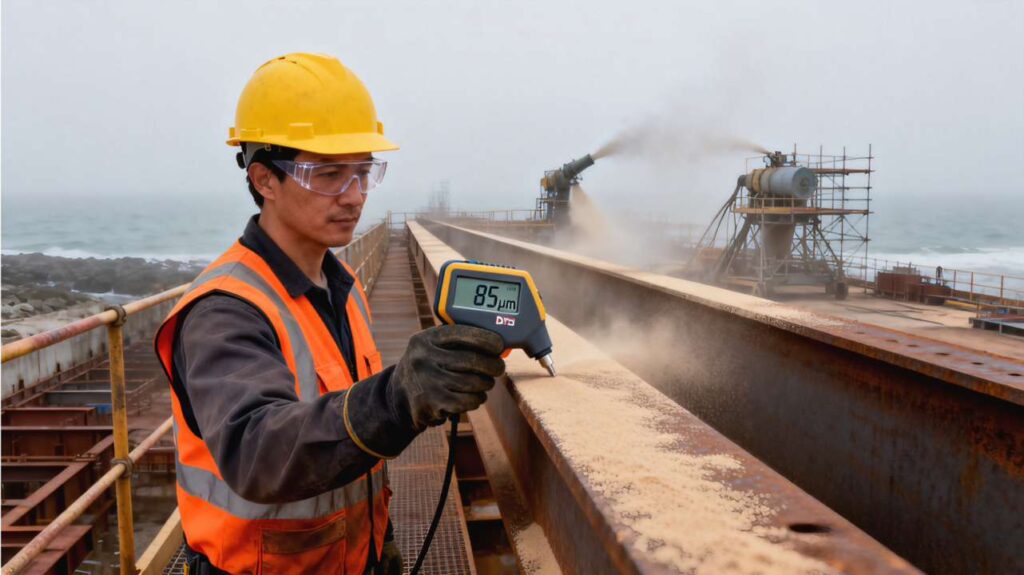
What is NACE and why it matters in industrial corrosion protection NACE standards are widely referenced in corrosion control for heavy-duty industrial assets, and many have been maintained and published through AMPP as joint SSPC/NACE standards.For EPC and owner teams, the value of NACE coating standards is that they define what “acceptable surface” looks like, […]
ISO 12944 Corrosion Protection Explained: Corrosion Categories, Coating Systems and Design Life for Steel Structures
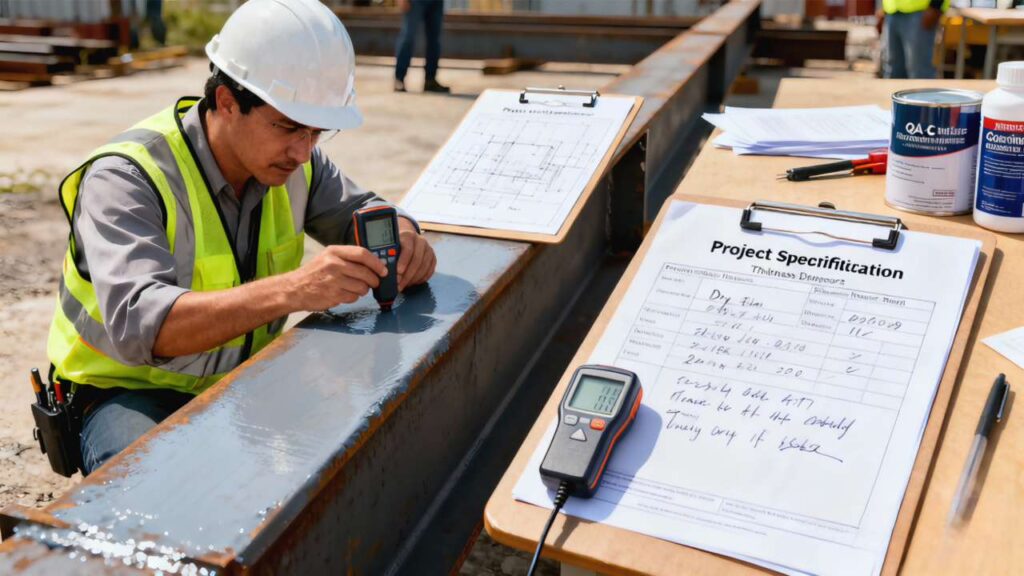
Why ISO 12944 matters in industrial projects ISO 12944 is used to guide corrosion protection of steel structures by protective paint systems, helping owners and EPC teams translate exposure conditions into a spec that can be tested, executed, and maintained.The standard is a design and specification tool, not a product catalog, and it is most […]
Industrial Coating Project Management: Cost Breakdown, Lifecycle Value, and Procurement Guide
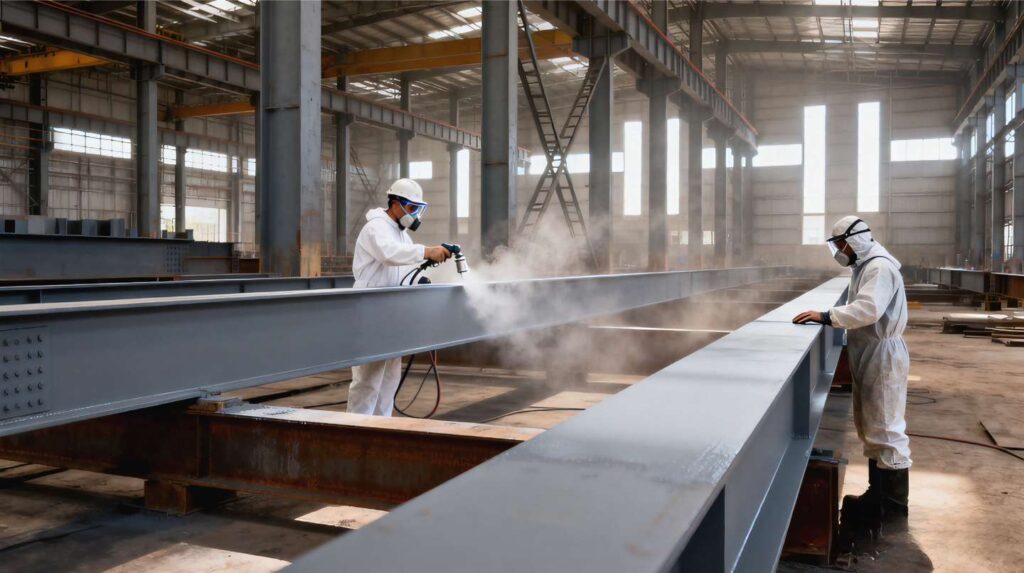
Industrial coating project costs are manageable when every bidder prices the same scope — and unpredictable when they do not. The difference between a bid that looks competitive on award day and a budget that survives the operating decade almost always comes down to which cost pillars were under-scoped, surface preparation, access, quality control, or […]
Anti-Corrosion Coating Cost per Square Meter: What Determines the Real Project Budget?
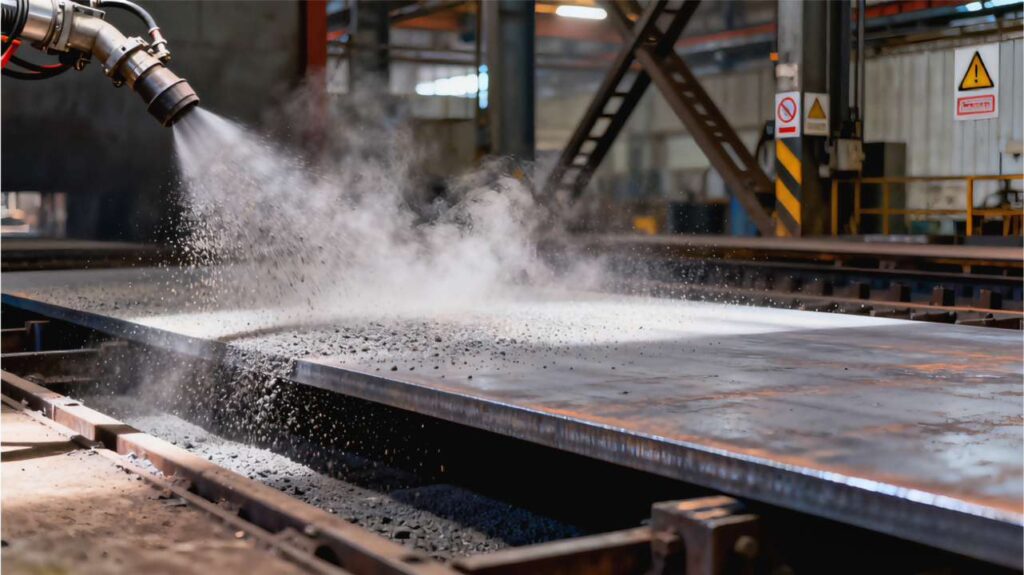
What does anti-corrosion coating cost really include? A project budget is not just a “price per m².” It is the installed cost of a protective coating scope that can be executed, inspected, accepted, and maintained. Use this cost framework to align EPC, contractor, and owner expectations: Material cost factors in anti-corrosion coating systems Material portion […]
Industrial Coating Inspection and Surface Preparation: Engineering Standards Guide for Steel Projects
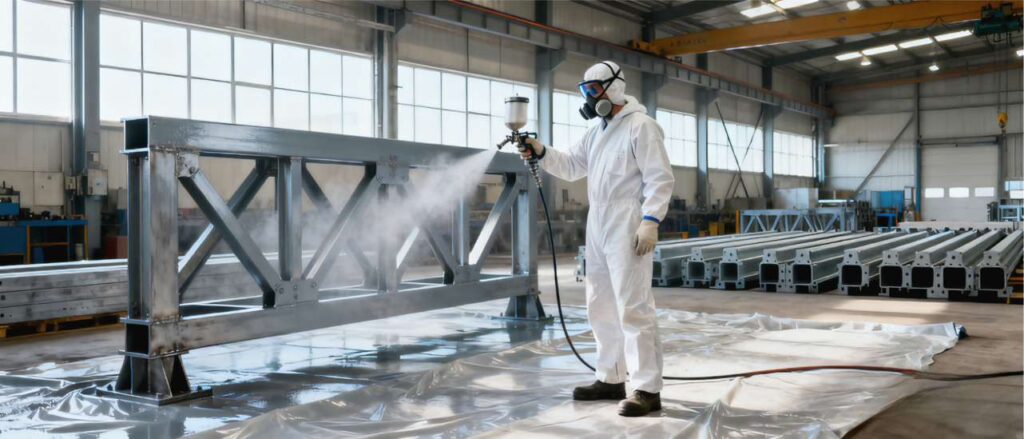
Surface preparation for industrial coatings determines coating performance before a single product is applied — industry data consistently shows that surface preparation accounts for approximately 60–70% of total coating system performance. Applying a high-performance epoxy to a poorly prepared substrate produces premature delamination and osmotic blistering regardless of product quality, because the failure is at […]
Industrial Coating System Design: How to Build Long-Life Protection for Industrial Projects
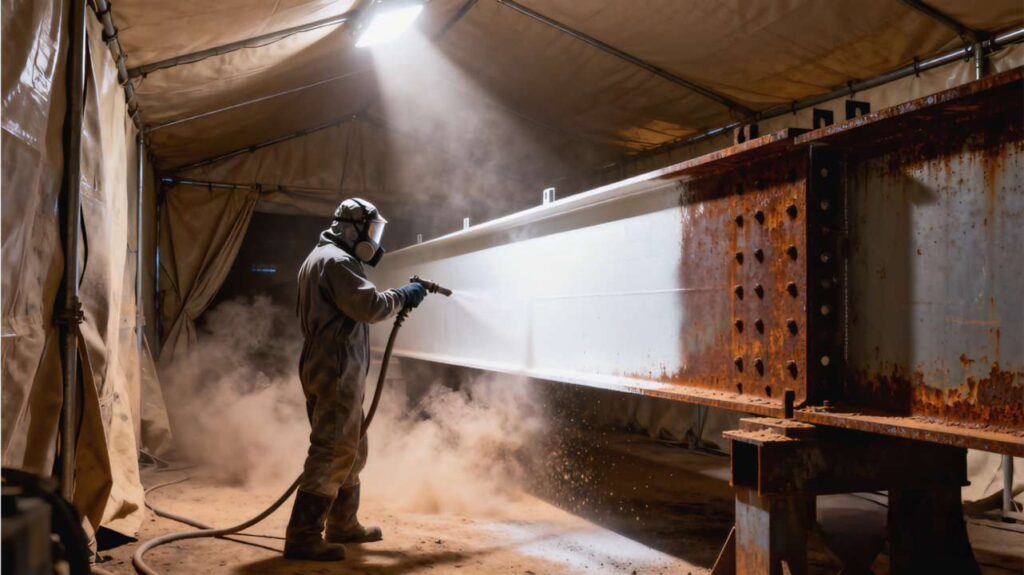
What an industrial coating system is, beyond product selection An industrial coating system is the engineered combination of surface preparation, primer, intermediate coat, topcoat, and thickness and process control that delivers measurable protection over time. Buying “paint” without the system design usually leads to early failures at details, mismatched layers, or uninspectable work packs. Decision […]
Corrosion Protection for Infrastructure: Long-Term System Strategy

Corrosion risks that hit infrastructure hardest Infrastructure corrosion is driven by multiple stressors that repeat daily and seasonally, and these stressors concentrate at details. Decision rule for bridge owners: treat edges, connection plates, and water traps as the controlling locations for service life, not the mid-span flat steel. Design life planning that engineers can actually […]
Marine Anti Corrosion Coating Systems for Offshore Steel Structures: Selection & Design Guide
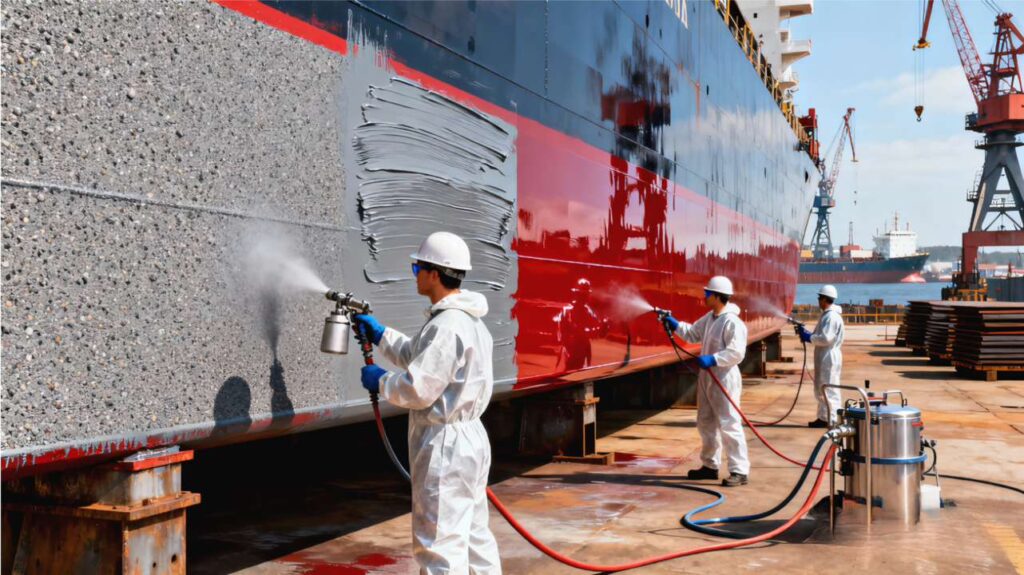
Why marine environments drive severe corrosion offshore Offshore steel is attacked by multiple “accelerators” at once, and each one changes the coating strategy. What buyers forget: offshore failures rarely start on flat plate—they start at edges, welds, bolted connections, clamps, and water traps where film build and access are worst. Design by zones (the offshore coating […]
High Temperature Coating for Power Plant Projects: Practical System Selection
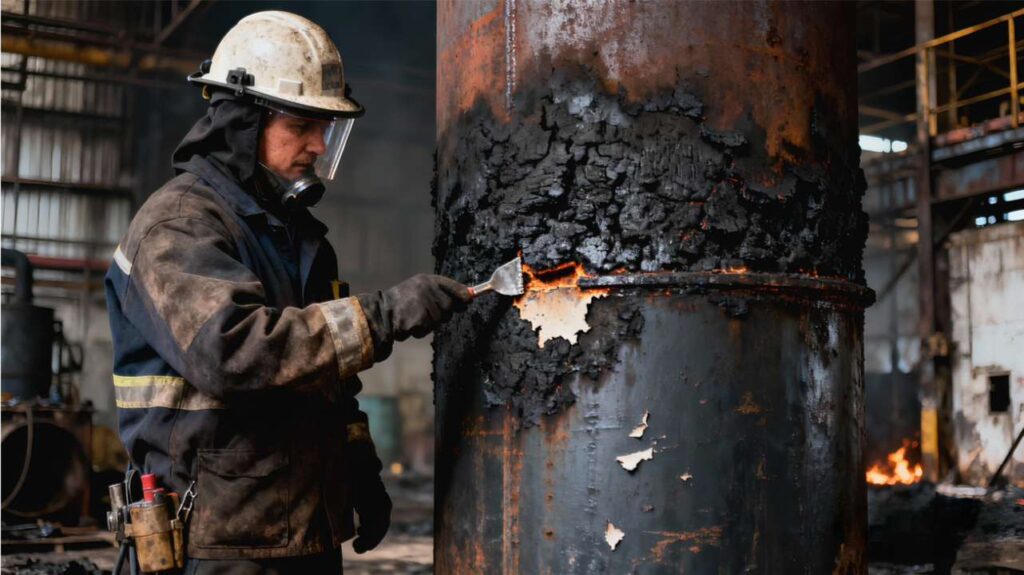
Map the high-temperature zones first (power plant isn’t one temperature) Most coating failures in power plants start with one mistake: using a single coating idea across areas that behave very differently in service. Typical high-temperature zones Decision rule (fast): if a line is insulated, treat it as “corrosion-risk + temperature” even if the outside surface doesn’t […]
Storage Tank and Pipeline Coating Systems: Corrosion Challenges and Solutions
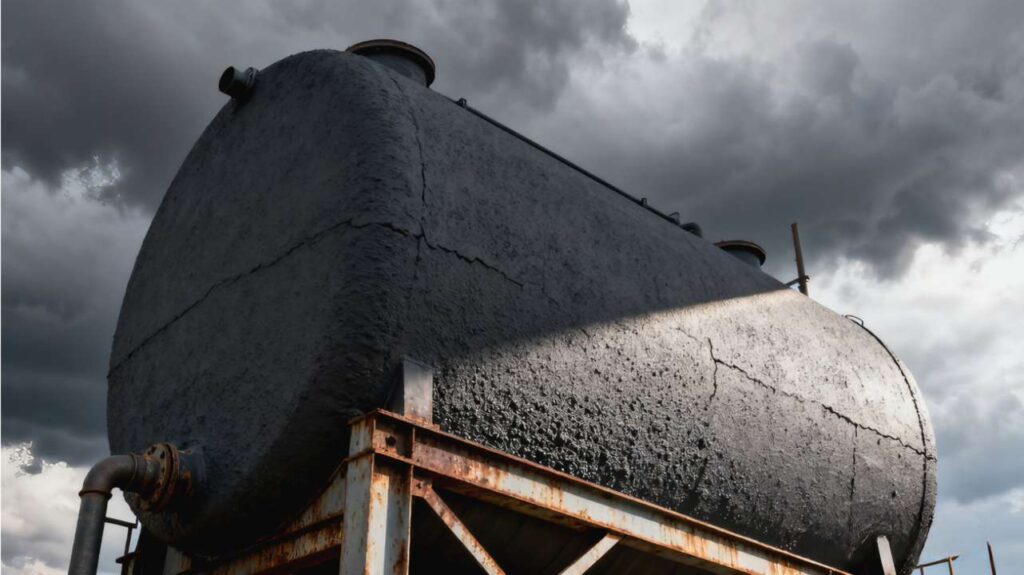
Corrosion challenges in storage tank and pipeline projects Tank and pipeline corrosion is a “multi-driver” problem: chemistry, water, temperature cycling, and mechanical damage often act together. Internal medium corrosion (oil / chemicals / water) Internal surfaces see chemical exposure, water bottoms, microbial activity in some services, and temperature changes that can stress linings. Internal coating […]